Wondering how to keep your bamboo cutting board clean and in good shape? A few simple steps can make all the difference, like hand washing with mild soap and avoiding soaking.
Proper care not only keeps it hygienic but also helps prevent cracking and prolongs its lifespan. Keep reading to learn the best techniques for caring for your bamboo board and maintaining its beauty.
How to Wash Your Bamboo Cutting Board After Every Use
After every use, wash your bamboo cutting board immediately to prevent residue, stains, and odors from setting in. Use warm water and mild soap, gently scrubbing with a soft sponge for about 15 to 20 seconds. Be sure to clean both sides, the edges, and any cut marks thoroughly. Rinse the board well under running water until no soap remains; leftover soap can dry out the bamboo and cause cracks over time. Avoid soaking the board or placing it in the dishwasher, as prolonged moisture can lead to warping. Do not use abrasive pads, which can damage the surface. After washing, consider applying mineral oil care to replenish moisture and protect the wood. Also apply proper seasoning techniques and store the board correctly to extend its life. Using the wrong blade on bamboo can create deep gouges, so a carving knife for precision helps maintain a smooth surface. Following this routine helps maintain the board’s condition while keeping it safe and hygienic for every use. A high-quality knife set with block should be paired with a well-maintained cutting board to preserve blade sharpness and prevent damage to the surface.

FOOD-GRADE MINERAL OIL FOR CUTTING BOARDS: Helps restore and protect dry cutting boards, butcher blocks, and wooden kitchen surfaces. Refreshes dull, worn wood and helps prevent cracking or splitting; works on bamboo, teak, acacia, olive wood, and hardwood boards
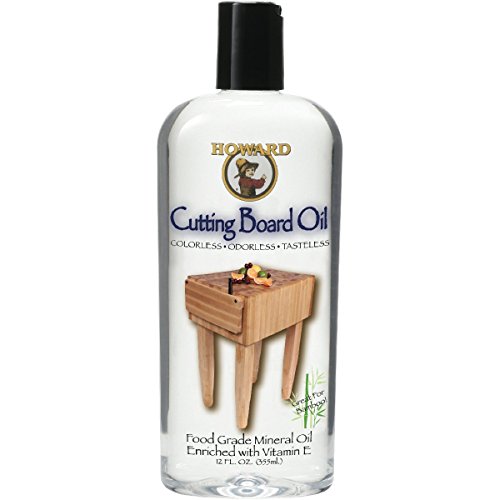
Cutting Board Oil is a deep penetrating 100% Pure USP Food Grade Mineral Oil that is tasteless, odorless, colorless, and will never go rancid
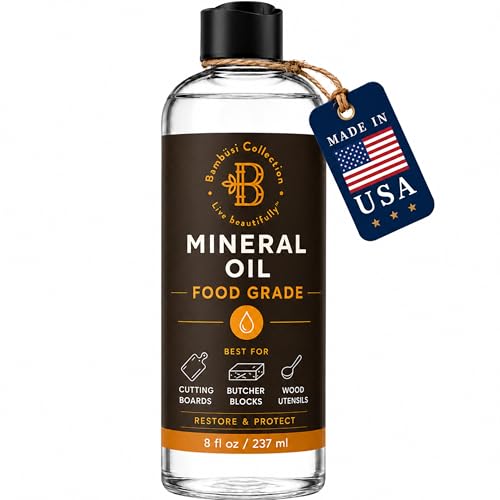
FOOD GRADE MINERAL OIL: This clear, odorless and tasteless white mineral oil is food safe and made for kitchen wood and food-contact surfaces. It soaks into dry cutting boards and butcher blocks to condition the wood without adding fragrance, flavor or unwanted residue
The Right Way to Dry Your Board (And Why It Matters)
Dry your bamboo board thoroughly before storing it. Pat both sides with a clean cloth, focusing on edges and knife marks where moisture can hide. Then, stand the board upright on its edge, using a dish rack or leaning it against a wall. Allow it to air dry for at least 30 minutes, but up to several hours. Keep it out of direct sunlight and away from heat sources to prevent warping. Only store your board once it feels completely dry to the touch. Proper drying prevents mold growth, bacteria buildup, and warping—helping your board last longer and stay safe for food preparation.

- Made of sturdy, eco-friendly, and easy-to-clean bamboo. Surface special treatment, the water is not easy to penetrate. No crack, no deformation.

Efficient Storage Solution: Our bamboo plate rack dish stand holder,available in a convenient set of 2 packs, Weight limit is 80 pounds,offers a smart and Eco-lovely way to organize your kitchen essentials. With a rack provides ample space for your plates, bowls, cups, cutting boards, and even books

【Eco-friendly Bamboo Dish Rack】: This kitchen counter dish rack is made of 100% bamboo as a raw material, with bamboo's eco-friendly, sturdy and easy-to-clean features, making it an excellent kitchen organizer.
Remove Stains and Odors From Your Bamboo Board
To remove stains and odors from your bamboo board, start with a coarse salt scrub. Use a damp cloth to rub the salt in circular motions, helping lift set-in discoloration. For tougher marks, repeat the scrubbing until the stain begins to fade. For extra stain-lifting power, combine salt with lemon: rub the cut side of the lemon directly on the board and let it sit for 3–5 minutes before rinsing.
To tackle lingering odors, sprinkle a thin layer of baking soda over the surface and leave it for a few hours. Gently scrub the board afterward if needed. White vinegar also works effectively; apply undiluted to the affected spots, leave it for a brief period, then rinse thoroughly. Always avoid soaking your bamboo board or using abrasive tools, as these can cause damage. Prompt rinsing after any treatment helps maintain the integrity of the bamboo. Adopting daily maintenance habits like wiping the board dry immediately after washing prevents moisture from seeping into the wood.
Avoid using oil-based finishes on bamboo, as they can seep into the wood and turn rancid over time.

COMPLETE SET – Condition your cutting board with CLARK’S food-grade mineral oil, protect it with CLARK’S Cutting Board Wax, and apply with our specially designed applicator. Perfect for all wood types, including teak, bamboo, oak, maple, cherry, butcher block, wooden utensils, and kitchen countertops. The ultimate solution for maintaining new or aged boards. Reapply every 3–4 weeks or when the wood looks dry or feels rough.

⬤COMPLETE CARE KIT: Tired of dull cutting boards? Our scrub brush and oil applicator set is perfect for you! It includes a brush for cleaning and an oil applicator for keeping your boards in good condition.

BEST GIFT IDEA – The perfect GIFT IDEA for your favorite Foodie, Chef, Newlyweds, or everyone you know with a cutting board. It’s a thoughtful and practical gift for anyone who loves to cook, especially when paired with Charcuterie board, Bamboo cutting board, and Cheese board.
How Often to Oil Your Bamboo Board (And the Right Way to Do It)
Oiling your bamboo board should be done regularly to prevent cracking and maintain its durability. The frequency depends on how often you use it: for daily or heavy use, oil every 3 to 4 weeks; if you use it a few times weekly, oil every 4 to 8 weeks; and for light use, every 6 to 8 weeks. New boards require weekly oiling for the first month to develop a protective barrier. Just as Japanese kitchen knives require diligent care for peak performance, your bamboo board benefits from the same attention to maintenance. Choosing a set of high-quality cutlery can further enhance your kitchen experience. For a similar commitment to quality, a top-rated utility knife can make your food prep even more efficient.
Adjustments are necessary for seasonal changes. In dry winter months or heated kitchens, you should shorten the interval and check the board more frequently. Signs that your board needs oiling include a dry, pale, or rough surface, water soaking in immediately, or a faded sheen. Always start with a clean, dry board. Apply a thin layer of food-safe mineral oil, wait about 20 minutes to let it soak in, then wipe off any excess. Repeat this process on both sides to keep your bamboo board well protected over its lifespan.

NSF CERTIFIED FOOD GRADE - This premium mineral oil is NSF certified and lab-tested to meet the strictest food safety standards. Colorless, odorless, tasteless, and gluten-free — perfect for cutting boards, butcher blocks, and all food-contact surfaces.

Revitalizing blend prevents drying and cracking of hardwoods and bamboo

FOOD GRADE MINERAL OIL: Our mineral oil oil is lab tested to meet strict food safety standards. Clark's wood cutting board oil is not colorless, providing deep nourishment while keeping your wood cutting boards and kitchen surfaces protected.
Never Put Bamboo Boards in the Dishwasher (Or Do These 5 Things)
Your bamboo board should never go in the dishwasher. The high heat, steam, and strong detergents will warp, split, and strip its protective oils, drastically reducing its lifespan from several years to less than one. Unlike solid wood, bamboo’s layered construction is especially vulnerable to machine abuse, making the dishwasher an unsafe choice. To keep your board in good condition, always wash it by hand. Use warm water and a mild soap, and clean with a soft sponge immediately after use. Limit water contact to one or two minutes to prevent soaking. After washing, dry it thoroughly with a towel and then let it air-dry upright to minimize warping. Before cleaning, scrape off any food residue, make sure to clean all sides, and rinse thoroughly. Understanding the design logic behind why materials are chosen can help you better care for your tools. Following these five simple steps will help your bamboo board stay safe, sanitary, and last between five and ten years.

ECO-FRIENDLY MATERIAL: It is made of 100% eco-friendly untreated Bamboo that is free from chemicals. It is a perfect choice for your family and the environment. Bamboo has natural odor and water-resistant properties, making cutting surface clean, safe, and hygienic. It is covered with mineral oil that acts as a hydrator and a barrier for the bamboo, giving it some necessary moisture while keeping excess water out.

Premium High-Heat Carbonized Finish: Experience the difference of carbonized bamboo. Our boards undergo a specialized high-temperature process that deepens the natural wood fibers, resulting in a stunning dark finish and increased surface density. This ensures superior resistance to warping and heavy-duty knife work, providing a professional-grade surface for every meal

THICK & KNIFE-FRIENDLY – Extra-thick bamboo cutting board surface resists warping and stays smooth on knife edges; sturdy feel for daily chopping, slicing, and carving.