
Kitchen knives, cutting boards and sharpening, researched cut by cut
Every cut has a right blade.
A dull or wrong knife turns a good dinner into a fight. The tomato squashes. The steak tears. Your wrist gets tired before the onions are done. We read the specs, the steel data and thousands of verified owner reviews, so you can pick the blade, the board and the care routine that make every cut feel easy.
What are you cutting tonight?
Featured guide · 1000 grit, everyday
Best Japanese Steak Knives
- Edge angle15° straight
- Serrated edge18 to 20°
- HardnessHRC 55 to 62
- Blade length4.5 to 5 in
- Sets compared10
Figures pulled from maker specs for the sets in the guide.
- Maker specs checked line by line
- Steel and hardness data read
- Verified owner reviews weighed
- No paid rankings, ever
We are researchers, not a test kitchen. We will never claim we tested something we did not, and when a fact is uncertain, we tell you.
The knife rack
Start with the guides cooks reach for first
Think of this as the rack beside your stove. These are the tools people grab every day, and the questions we hear the most. Each guide gives you the answer first, then shows you why it works.
Sharpening and care · 220 grit, beginner friendly
Best Sharpening Systems for Knives
A sharp knife is a safer knife. It goes where you aim it, instead of skidding off a tomato skin and toward your thumb. This guide sorts whetstones, guided rod kits and electric sharpeners by one simple question: how much control do you want, and how much time do you have?
Real tip: if you cook a few nights a week, a guided system with a fixed angle often beats a whetstone that never leaves its box.
Angle guides · Grit stages · Ease of use
Reviews · 1000 grit
Best Japanese Steak Knives
Ten sets compared, from straight 15° edges that keep the juice in your steak, to serrated blades that rarely need sharpening.
15° edge · HRC 55 to 62
Knife types · 1000 grit
Best Chinese Cleavers
One wide blade that slices, smashes garlic and scoops food into the pan. Learn which cleavers are for vegetables and which can take bone.
Vegetable cleaver vs bone cleaver
Storage and safety · 220 grit
Best Knife Storage
Blades rattling loose in a drawer lose their edge fast. Compare blocks, magnetic strips and in drawer docks.
Blocks · Strips · Drawer docks
Prep tools · 220 grit
Best Vegetable Choppers
Dice a pile of onions in seconds, with fewer tears and even pieces. See which choppers stay sharp and rinse clean fast.
Dicing grids · Easy cleanup
Field knives · 6000 grit, enthusiast
Best Skinning Knives with Gut Hook
Opening game without nicking the gut takes skill, and the right gut hook makes the job calmer. We compared ten field knives on steel, grip with wet hands and sheath quality, using maker specs and owner reports.
3.5 to 4.5 in blade · Full tang · Sheath
Storage and safety · 220 grit
Best Blade Guards for Knives
A cheap sleeve can save an expensive edge, and your fingers. Find guards that fit snug and do not trap moisture.
Drawer · Travel · Knife roll
Four stations
Browse the way you cook
A good kitchen has stations: one for cutting, one for prep, one for cleanup. Our guides are laid out the same way, so you always know where to look.
01
Knives and tools
Chef, santoku, cleaver, steak and field knives, plus the prep tools that sit beside them.
Open station
02
Cutting and charcuterie boards
Wood, plastic and serving boards, and how to keep them clean, flat and safe for food.
Open station
03
Sharpening and care
Whetstones, honing, stropping, oiling and storage. The small habits that make tools last for years.
Open station
04
Reviews
Side by side research roundups, built from maker specs, steel data and verified owner reviews.
Open station
Steel school
Understand the steel before you buy it.
Two knives can look the same and cut very differently. The secret is hardness. Makers rate it on the Rockwell C scale, written as HRC. A higher number means harder steel.
Here is the trade. Harder steel holds a fine edge for weeks, but it can chip if you twist it through a squash. Softer steel dulls sooner, but it bends instead of breaking, and a few strokes on a honing rod bring it back.
A home cook buys a beautiful HRC 62 Japanese knife, uses it to split a frozen chicken, and finds a tiny chip the next morning. The knife was not bad. It was the wrong job for that steel.
Typical hardness by steel type (HRC)
HRC 50
55
60
65
Softer: tougher, easy to hone
Harder: holds an edge longer, can chip
Typical ranges from published maker data. Exact numbers vary by brand and heat treatment.
Fresh off the strip
New guides, hung up and ready
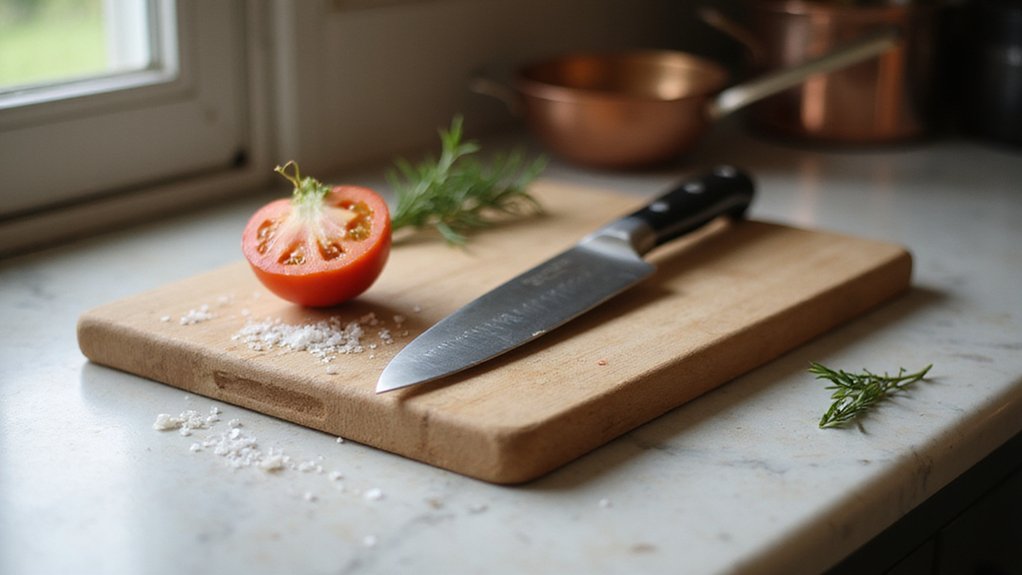
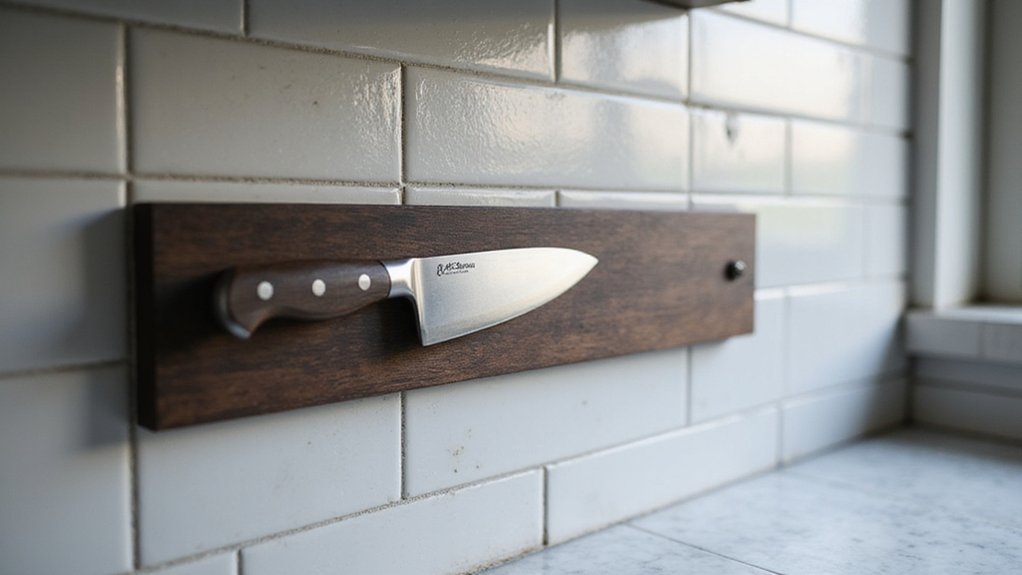
Every new guide lands here first, like a freshly honed knife back on the magnetic strip. Pull one down and start reading.
Field and butcher
Two very different cuts, one honest guide
A knife for the deer stand and a knife for Sunday dinner face very different jobs. Here is how to think about each one.
For the field
Cold hands, fading light, no room for a slip
Picture a cold November evening. Your fingers are numb, the light is going, and you have a deer to dress before dark. This is not the moment for a slick handle or a dull hook.
- Pick a 3.5 to 4.5 inch blade for control around joints.
- Choose a rubber or textured grip that holds when wet.
- Carry a small sharpener. A quick touch up halfway saves the hide.
For the butcher block
Weight, a clean edge and a board that stays put
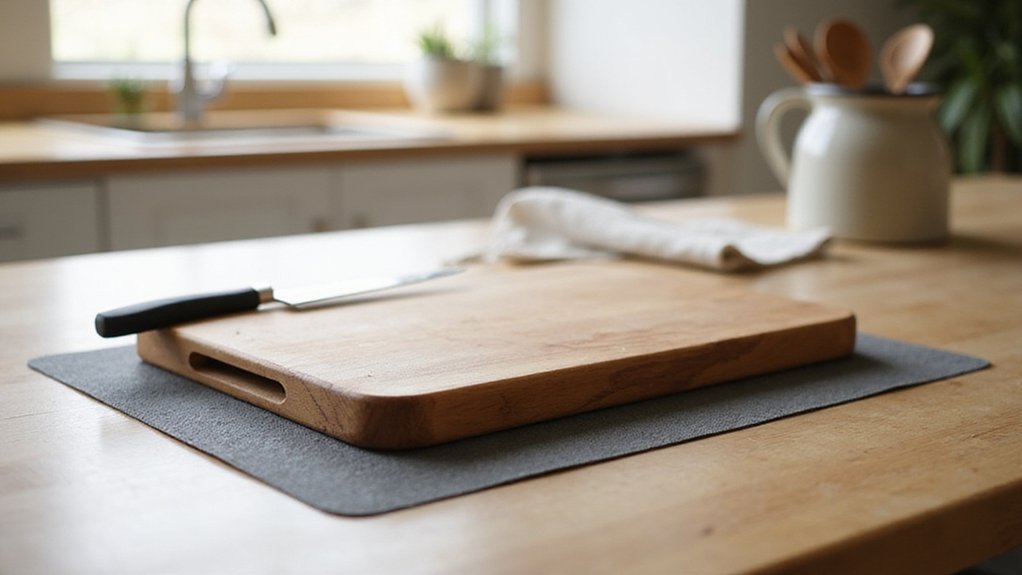
Now picture Sunday dinner. A whole chicken, a pile of garlic, and a roast resting on the board while everyone waits. Here you want weight, a straight edge and a board that will not slide.
- A heavy bone cleaver chops joints. A thin vegetable cleaver should never touch bone.
- Use a straight edge steak knife to keep the juices in the meat.
- A thicker board warps less and stays steady while you carve.
Edge angle per side, by job
0°
10°
20°
30°
Lower angle: thinner, sharper edge for clean slicing. Higher angle: stronger edge for tough work. Typical values from maker specs; ranges show the midpoint.
Edge care timetable
A simple schedule that keeps tools sharp for years
Most knives do not die from hard work. They die from neglect. A few minutes a month is all it takes, and this table shows you exactly when.
| Task | How often | Why it matters | Read more |
|---|---|---|---|
| Hone your chef knife | Every 2 to 4 uses | Pushes a rolled edge back into line. No metal is removed. | Sharpening systems |
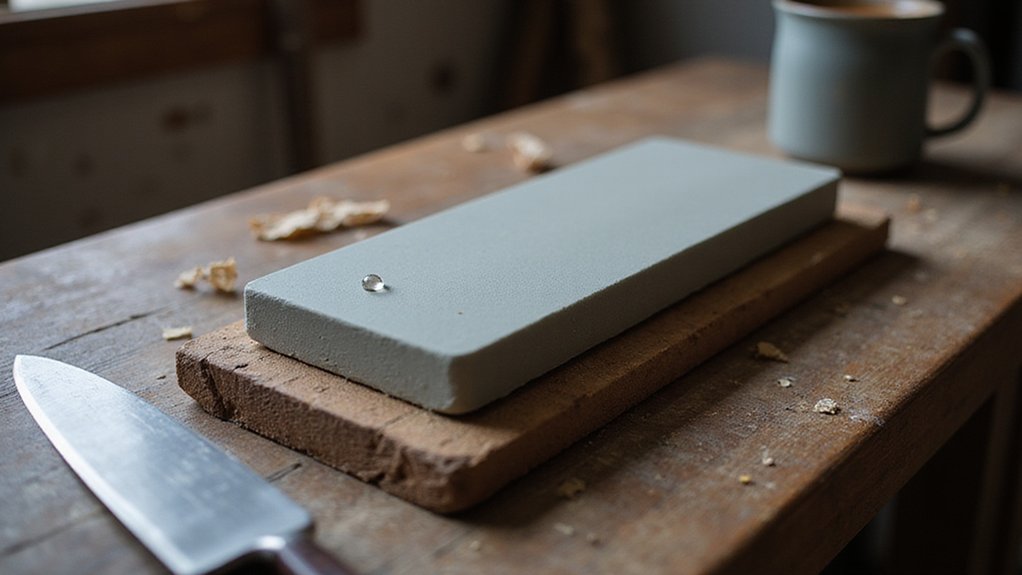
| Sharpen on a whetstone | Every 2 to 3 months for most home cooks | Grinds a brand new edge once honing stops helping. | How whetstones work |
| Strop after sharpening | Every sharpening session | Polishes away the last tiny burr for a smoother cut. | Applying stropping compound |
| Check your whetstone is flat | Every few sessions | A dished stone grinds a wavy edge. | Whetstone lifespan |
| Oil a wood board | About once a month, or when it looks pale and dry | Keeps water, stains and smells out of the grain. | How to oil a board |
| Replace a plastic board | When deep grooves no longer scrub clean | Knife scars can hide bacteria from your sponge. | When to replace |
Quick example: if you cook dinner five nights a week, hone your chef knife two or three times a week, oil your wood board on the first of each month, and plan a whetstone session each season. That is about ten minutes a month for a knife that feels new for years.
Quick answers
Questions we hear every week
Short, honest answers. Each one links you to a deeper guide when you want the full story.
How often should I sharpen a kitchen knife?
Hone it every few uses to keep the edge straight. Sharpen it on a stone or a guided system when honing stops helping, which for most home cooks is every 2 to 3 months. A simple test: if the blade slides off a tomato skin instead of biting in, it is time. See our sharpening systems guide.
Is a Japanese knife better than a German knife?
Neither wins for everyone. Japanese knives are usually harder (around HRC 60 or more) and thinner, so they glide through food but need gentler handling. German knives are softer (around HRC 56 to 58) and thicker, so they shrug off rough work and hone back fast. Choose by how you cook, not by the label.
Wood or plastic cutting board: which is safer?
Both are safe when you clean them well. Wood is kind to your edge, and small cuts close up as the grain swells. Plastic can go in the dishwasher, but deep grooves trap germs, so replace it once scrubbing no longer gets it clean. Many cooks keep a plastic board for raw meat and a wood board for everything else. Read when to replace plastic boards.
Can I put good knives in the dishwasher?
Please do not. Hot water, harsh detergent and rattling against other dishes dull the edge, and they can crack wooden handles. Hand wash, dry it right away, and put it back in a block, on a strip or in a guard. Our knife storage guide shows the safest spots.
Does Chop Nook test the knives it recommends?
No, and we say that plainly. Our guides are built from manufacturer specs, steel data, published documentation and verified owner reviews. We compare those facts side by side so you can choose with clear eyes. When something is uncertain, we tell you.