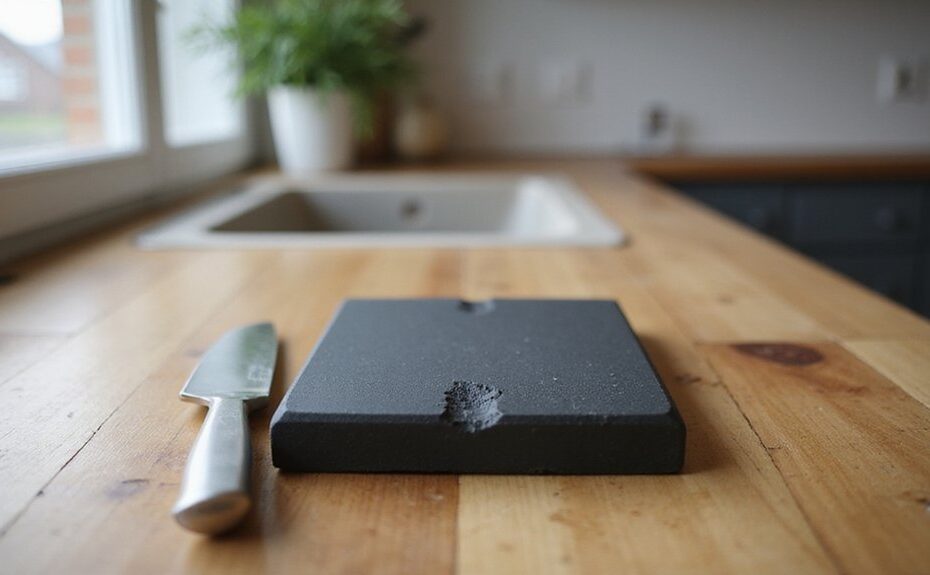
Wondering how long your whetstone will last? The lifespan varies depending on how often you use it, its grit type, and how well you care for it.
Typically, a whetstone can last from several years to over a decade with proper maintenance. Keep reading to learn the best tips to extend its life and recognize when it’s time for a replacement.
How Long Do Whetstones Actually Last?
Most good whetstones last between 4 and 5 years with regular weekly or bi-weekly use. The lifespan depends heavily on factors like sharpening frequency and how well you care for your stone. Your compatibility with your sharpening tools also affects how long the stone will serve you. Heavy users can expect to replace their whetstone in 3 years or less, while moderate home users may enjoy 5 to 10 years of service. Water stones tend to wear out the fastest, often lasting only a few months to a few years. Oil stones are more durable, typically lasting a decade or more. Diamond stones are the most long-lasting, often lasting a lifetime with proper maintenance. Just as wood cutting boards require proper hygiene and care to maintain their natural antibacterial properties, your whetstone’s lifespan depends on consistent maintenance. For example, ignoring the stone’s flatness when sharpening can force uneven wear, much like failing to oil a board allows moisture damage. A good cutting board with juice grooves can help protect your tools by providing a stable and clean surface.
Your care habits significantly impact longevity. Using light pressure, proper soaking, and the correct lubricant can minimize unnecessary wear. Always monitor your stone for signs of thinning, cracks, or diminished cutting performance, as these are indicators that it’s time to replace it. Proper storage and cleaning also help extend the life of your whetstone, ensuring it remains effective for as many years as possible.
Why Coarse Grits Wear Out Faster Than Fine Grits
Coarse grit wears out faster than fine grit because it removes material at a much quicker rate. Larger particles bite deeper into the steel surface, creating aggressive scratches that accelerate abrasive attrition. Each grain works harder, fracturing and losing its sharpness faster than in fine stones. This results in faster grit degradation, especially within the rapid-wear zone of 16 to 36 micrometers. For example, a 200-grit stone can remove material four times faster than a 400-grit stone, but its cutting surface deteriorates nonlinearly—meaning it wears out even more quickly in practice. This nonlinear wear pattern is similar to how charcuterie board edges can degrade unevenly if not stored with proper protection against surface abrasion. A similar dynamic appears in cutlery sets, where high-performance steel can accelerate stone wear during initial sharpening.
Additionally, coarse stones shed abrasive particles more actively during use. Their exposed cutting points are more prone to fracturing and releasing under the stress of sharpening. This necessitates more frequent flattening to maintain an even surface. In contrast, fine grits cut lighter, produce shallower scratches, and experience less binder stress. Their lower removal workload results in slower abrasive wear and a longer service life overall. For home cooks, choosing the right sharpening stones for your kitchen can help balance cutting performance with stone longevity.
5 Surprising Habits That Accelerate Whetstone Wear
Excessive pressure during honing is one of the fastest ways to accelerate wear on any whetstone. Pressing too hard causes uneven material removal, resulting in depressions and a shorter lifespan for your stone. Repeating this forceful technique repeatedly in the same spot speeds up dishing and creates dips that require more effort to fix later. Investing in a quality set from a reputable brand ensures your knives and stone are better matched for balanced abrasion. For skinning deer, choosing a knife with a steeper edge angle helps maintain sharpness without overworking the stone.
Additionally, neglecting to regularly check and maintain a flat surface leads to uneven wear and increased dishing. Skipping flattening sessions allows wear to build up over time, making subsequent grinding more abrasive and damaging. Proper cleaning also plays a critical role—metal swarf left on the stone clogs its pores, causing inconsistent cutting and forcing you to apply more pressure to achieve a sharp edge. For a similar reason, end grain cutting boards are gentler on knife edges because the wood fibers absorb impact rather than resisting the blade.
Poor storage and drying habits—such as exposing your stone to direct sunlight or storing it in damp conditions—can cause cracks or degradation of the stone’s structure. To extend your whetstone’s longevity, vary your stroke paths to distribute wear evenly. Also, consider matching your stone with appropriate knives or materials, which can reduce unnecessary abrasion. Using light pressure during flattening with a 120 grit stone helps maintain consistent contact and prevents uneven depressions. Using light pressure, maintaining flatness, and storing your whetstone in a dry, shaded location will help keep it in optimal condition longer.
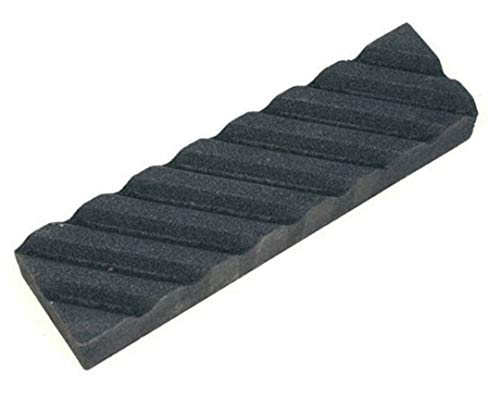
The flattening stone's coarse grit silicon carbide surface is designed to precisely repair and level your Sharpening Stones, Maintaining a flat and level whetstone

PRESERVE YOUR WHETSTONE: Extend the life and sharpening effectiveness of your whetstone with the Shun Leveling Stone. This essential tool helps maintain a level surface and optimal sharpening performance for your knives.
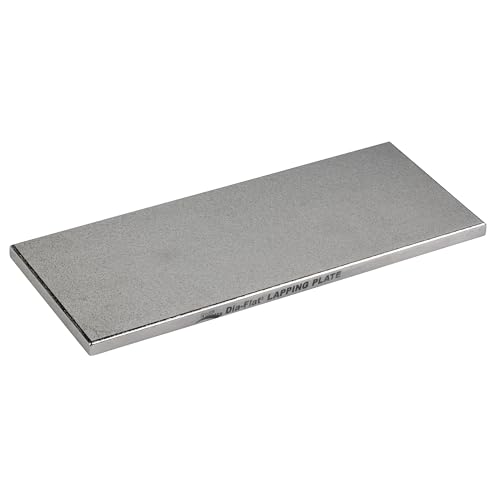
DMT Lapping Plate: This 10 by 4 inch whetstone flattening stone features a generous 40-inch surface area and easily flattens conventional and waterstone faster than any other method
3 Clear Signs Your Whetstone Needs Replacing
A whetstone needs replacing when it shows visible signs of wear or damage that hinder safe and effective sharpening. One clear indicator is a dished surface, where the stone has become concave due to use. This uneven surface prevents consistent contact with the blade, leading to uneven edges and poorer sharpening results. If your sharpening performance drops significantly—requiring many more passes or taking longer to achieve a fine edge—it suggests the abrasive layer is worn out. Flattening the stone might temporarily restore surface evenness, but if performance still doesn’t improve, it’s time for a replacement. Cracks, chips, or other structural damage are dangerous, making sharpening unsafe and unpredictable. Persistent glazing on the surface, where the stone feels slick or muddy instead of gritty—even after cleaning—means the surface’s abrasive layer has been depleted. Similar to how high-quality sharpening tools maintain their edge for longer, true Damascus steel knives require consistent care to preserve their layered structure. Similar to how cut-resistant gloves protect against wear over time, a whetstone’s abrasive layer also degrades with repeated use. Using a mild dish soap and water solution regularly prevents oil and metal particle buildup that can accelerate glazing. Ignoring these signs can lead to wasted time and potential damage to your knives.

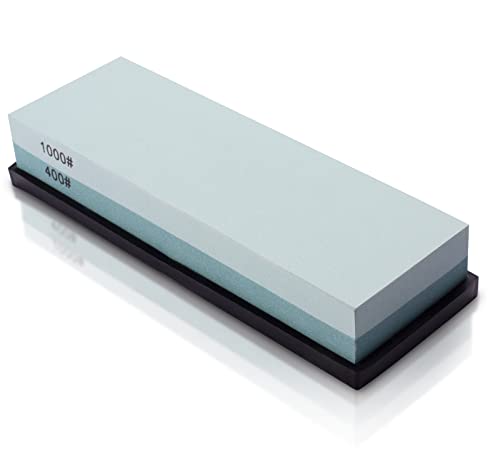
DUAL SIDED SHARPENING STONE: Made from durable silicon carbide(processes and inspections.), this two-sided sharpening block comes with both a 400-grit side, used for returning edges to their original shape, and a 1000-grit side used for smoothing and polishing cutting edges. Corrosion-resistant, heat-resistant, edges, and corners are clearly demarcated

Restores sharp edges to knives and cutting tools
How Often Should You Clean Your Whetstone?
You should rinse your whetstone after every sharpening session to remove swarf and slurry. This quick rinse prevents buildup and keeps the stone cutting efficiently. With water stones, don’t skip the immediate rinse, as it stops particles from hardening in the pores. Use a soft brush to clean stubborn residue, but avoid harsh chemicals that could disrupt the stone’s pH balance or alter its mineral composition. You’ll need a deeper cleaning when the surface appears gray, feels sluggish, or shows visible metal filings. Heavy sharpening sessions require more frequent rinsing, while lighter use might need only a shorter rinse. Check your stone’s type—oil stones benefit from periodic oil scrubs instead of water. Maintaining a consistent cleaning routine helps extend the life of your whetstone with minimal effort. For ceramic stones, a similar approach using gentle dish soap helps remove embedded metal particles without damaging the surface.

A large comfortable handle with a curved, toothed-end reaches dirt deep between the gears, and tough nylon bristles clean the derailleur and chain.

TWO COILED STAINLESS STEEL SCOURING PADS: Two coiled stainless steel scouring pads hold up to the most aggressive scouring and are designed to clean baked-on residue from the top and sides of the grate at the same time
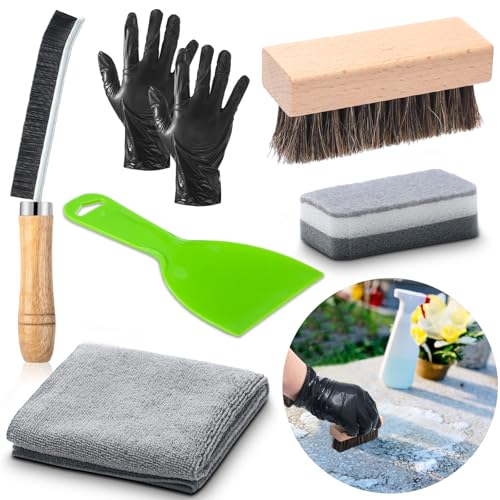
Comprehensive Grave Cleaning Solution: our headstone cleaner kit for grave comes with everything you need to maintain the pristine condition of tombstones; Featuring 1 gray microfiber cloth, 1 bristle crevice cleaning brush for deep reach gap cleaning, 1 scrub brush, 2 pairs of black disposable gloves, and 1 headstone cleaning sponge, and 1 green plastic scraper; This efficient grave cleaning kit effortlessly removes dirt and dust from corner
How to Dry and Store Whetstones So They Last
After rinsing and cleaning your whetstone, drying it thoroughly before storage is essential. Pat both sides of the stone with an absorbent cloth to remove surface moisture. Then, leave the stone in a well-ventilated area for drying, ideally overnight, ensuring both sides are completely dry. Avoid using heat sources such as hair dryers or ovens, as rapid drying can cause warping or cracking. Uneven moisture loss can also damage decorative patterns or the stone’s surface. For ceramic stones, avoid harsh chemical cleaners that can degrade the stone’s bonding material over time.
For storing your whetstone, keep it in a cool, dry environment away from humidity and damp conditions. Use a protective box or case to prevent physical damage. Wrap the stone in breathable materials like newspaper or cloth, which allow air circulation. Never stack whetstones or place them in sealed containers unless they are entirely dry. Avoid basements or garages with excess moisture. Proper drying and storage help prevent mold, cracking, and significantly extend your stone’s lifespan.

MULTI-TYPE STONE STORAGE: Designed for 6" x 1" sharpening stones, this storage case accommodates diamond, ceramic, synthetic and natural stones, as well as leather strops for organized sharpening setups.


How Flattening Extends Your Whetstone’s Lifespan
Flattening keeps your whetstone’s surface true, preventing dish wear from eroding its usable body. When a stone becomes dished, you are forced to adjust your sharpening angle, which can ruin blade geometry and waste your time. The increased number of passes needed due to a concave surface accelerates abrasive loss, especially critical depending on your stone’s composition. Coarse stones typically require flattening after every 1 to 2 uses, while fine stones can often go 4 to 6 uses before needing attention. This consistent maintenance is similar to how an acacia cutting board resists warping through regular oiling, preserving its flat surface over time. For a large party, choosing large charcuterie boards ensures you have a stable, spacious surface that remains flat under heavy use, much like a well-maintained stone. Ignoring this routine can lead to cracks or deep grooves that permanently shorten the stone’s service life, forcing an early replacement.
Targeting only high spots—removing just enough to erase pencil marks—minimizes unnecessary material removal while maintaining the face’s flatness. Consistent flattening ensures abrasive wear is spread evenly, slowing down deep hollowing and helping to preserve more of your stone’s body. This promotes faster sharpening with fewer strokes, which ultimately reduces wear over time. The key is balancing between minimal surface removal and maintaining a truly flat face; a small amount now prevents the risk of severe dishing that could potentially ruin your stone entirely.

【Complete Knife Sharpening Stone Kit】You don't need to be a Pro to sharpen your blades, all you need is the right tools & technique. All the sharpening tools you need are here, one affordable set for you: 400/1000 & 3000/8000 grit whetstone; Coarse flattening stone; Non-Slip Bamboo base; Knife sharpening angle guide; Leather strop, a simple instruction manual about how to use and what does every component do.

Naniwa #220 IO 1142 Japanese Whetstone

Designed to Keep Your SHARPENING STONE in Optimal Condition! High-quality materials make it cut faster, wear more slowly, and are durable. this makes it the preferred choice for flattening
4 Care Habits That Push Lifespan Past 6 Years
Consistent care can significantly extend the lifespan of your whetstone beyond six years. Start by cleaning the stone immediately after each use. Rinse away slurry and metal filings to keep your cutting performance stable and maintain edge retention for your knives. Use only a soft brush or sponge for cleaning—avoid detergents, as chemicals can change the stone’s composition. Next, ensure the stone is completely dry before storing it. Trapped moisture can lead to mold and cause cracking, so air-dry it in a shaded, well-ventilated area. Store the stone in stable indoor conditions, away from direct sunlight and temperature fluctuations. Finally, match your storage method to the type of stone: water stones should stay dry, never submerged, and honing oils should never be applied. For similar reasons, storing a whetstone near a damp sink can damage its surface, so keep it in a dry environment that protects edges and surfaces from moisture. For serrated knives, a sharpening rod is often a more suitable tool than a flat whetstone. For high-quality alternatives, consider using cut-resistant gloves when handling sharpened tools to prevent accidents during maintenance. These simple habits help prevent contamination and physical damage, ensuring your whetstone remains effective for many years.
How Sharpening Technique Affects Whetstone Wear
Your sharpening technique has a direct impact on how quickly your whetstone wears out. Applying heavy pressure speeds up abrasion, leading to faster deterioration and shortening the stone’s lifespan. Conversely, using light, controlled pressure minimizes unnecessary wear and prolongs its usefulness. Maintaining a consistent angle during sharpening prevents focusing abrasion in narrow bands that can cause dishing, which compromises the stone’s surface. Employing full-length, overlapping strokes helps distribute wear evenly across the entire surface instead of concentrating it in one area. Regularly rinsing the stone to manage slurry prevents abrasive buildup that can accelerate wear, especially on softer stones. It’s also important to match your technique to the stone type; coarse stones tend to wear faster under heavy pressure, while fine abrasive stones last longer when you use feather-light strokes. An ergonomic sharpening setup can assist in maintaining stable angles and consistent pressure. Even eco-friendly materials are subject to wear if your technique is poor; improper habits will wear out any stone faster. Mastering these factors will help you maximize your whetstone’s lifespan and keep it performing at its best.
Why Proper Maintenance Beats Buying Cheap Replacements
Proper maintenance always outperforms buying cheap replacements because it extends the life of your sharpening stone significantly. Regular cleaning of metal swarf after each session prevents clogging and buildup that can lead to uneven surfaces. Ensuring the stone is thoroughly dried—away from direct sunlight—stops cracks from forming. Flattening the surface every few months keeps it true, so you’re not wasting abrasive material on uneven wear.
Understanding how water absorption and material composition impact care is essential. A water-saturated stone requires proper drying, while a splash-and-go type simply needs rinsing. Cheap replacements tend to fail faster because poor quality materials can’t handle regular use and neglect. Investing in a mid-priced stone and maintaining it carefully will outlast three budget stones, saving you money and maintaining consistent sharpening results. Regular rinsing, flattening, and flat storage will give you years of reliable service—much smarter than repeatedly buying subpar stones that disappoint each time.