Choosing the right sharpening stone can feel confusing, especially with so many options available. Your goal—whether it’s quick material removal, a fine polish, or precise honing—determines which type works best for you.
In this guide, you’ll discover the key differences and how to pick the perfect stone for your blades.
How to Choose a Sharpening Stone: Speed, Finish, and Steel Compatibility
Choose a coarse grit around 200–600 to quickly reshape or repair a damaged or very dull edge. This grit range removes material aggressively and is suitable for wear-resistant steels like high-carbon or powder steels when you need rapid reprofiling. Use diamond or silicon carbide stones at this stage because they cut more efficiently on hard steels. After establishing a basic edge, move to medium grit—1000–3000—for regular maintenance and refining. This step smooths out scratches from the coarse grit, improving sharpness without over-polishing. Just as kitchen tools like plastic cutting boards show visible grooves and wear that signal replacement, your sharpening stone’s surface condition will also degrade over time and require reconditioning or replacement. For home cooks, maintaining a consistent edge often depends on practical guidance about stone flattening and cleaning. A quality knife set with block often includes a honing steel to help maintain the edge between sharpening sessions, reducing the need for coarse grit work.
Finer grits, 3000–8000, are best for polishing and delivering a razor-sharp finish on hard steels. Softer steels, such as softer carbon steels, typically require only up to 2000 grit for an adequate edge. The key is matching your grit choice to the steel’s hardness and the level of dullness or damage. Adjust your speed accordingly—faster strokes on softer steels help remove material efficiently, while softer steels demand gentler, controlled passes to prevent unnecessary wear. Your control over the edge angle relies on maintaining a consistent scratch pattern, which aligns with choosing the right grit and speed for your steel type.

𝐖𝐡𝐲 𝐂𝐡𝐨𝐨𝐬𝐞 𝐃𝐢𝐚𝐦𝐨𝐧𝐝 𝐎𝐯𝐞𝐫 𝐖𝐡𝐞𝐭𝐬𝐭𝐨𝐧𝐞𝐬: Diamond sharpens even the hardest steels, including super steels like CPM-series, M390, and Elmax. Unlike traditional whetstones, diamond sharpening plates stay flat, require no lapping, work dry without mess, and deliver more efficient, consistent results.

FAST, Durable and Heavy-Duty: Industrial monocrystalline diamonds are electroplated onto a stainless steel base of 0.35 inch thickness. Up to 5 times faster sharpening than oil stone, water stone

【Premium Material】The Diamond Grinding Sanding Disc Sheet is made of high quality diamond stone material. Diamond coated material is more efficient than normal whetstone. Easy to take for camping and kitchen garden knives.
Natural vs. Synthetic Sharpening Stones: Predictability vs. Traditional Feel
Natural stones provide a slower, more controlled sharpening experience compared to synthetic stones. Their varied grain structure delivers a refined edge finish that is less aggressive, making them ideal for final polishing and delicate work. This slower, deliberate action allows you to finely tune the edge, giving you greater control over the sharpening process. For those who prioritize top Japanese kitchen knives, natural stones can impart a superior final polish that complements their high-performance steel. The premium pricing of these stones can be attributed to factors similar to why charcuterie boards are so costly, including the rarity of the material and the craftsmanship involved in their production.
Natural stones are also valued for their aesthetic and historical significance, as each stone’s unique character and heritage connect you to traditional craftsmanship. They wear down more slowly over time, maintaining their effectiveness longer, but tend to be more expensive and lack standardization across different stones. If your priority is nuanced finishing and a feel rooted in tradition, natural stones are the preferable choice. The water used on these stones serves to carry away swarf and prevent clogging so the stone continues to cut effectively.
In contrast, synthetic stones offer consistent grit and predictable cutting behavior, making them excellent for repeatable results and precision work. They cut faster and feel more aggressive, which suits industrial settings or when working through planned sharpening progressions. For those who need speed and reliability, synthetic stones provide a straightforward option that reduces variability during the sharpening process.
Water Stones: Fast Cutting and Razor-Sharp Finishes
Water stones cut aggressively and produce razor-sharp finishes because they continuously release fresh abrasive material as you sharpen. This constant renewal allows you to reshape damaged edges or fix chips quickly, often within minutes. Start with a coarse grit—150 to 400—for heavy repairs, then move to a medium grit—1000 to 2000—for refinement, and finish with a fine grit—6000 to 8000—for a mirror-like polish. To prepare, soak water stones in water for five to thirty minutes or wet their surface if using splash-and-go models. Keep a slurry of abrasive material active as you sharpen, which enhances cutting power and finish quality.
To achieve razor-sharp results, reduce pressure during the fine polishing stage so you don’t remove too much material. Water stones tend to wear faster than oil stones, so regular flattening with a lapping plate is necessary to prevent dishing and maintain flatness. Although this demands more upkeep, the rapid cutting and superior edge quality make water stones ideal for creating keen, precise edges on knives and chisels.
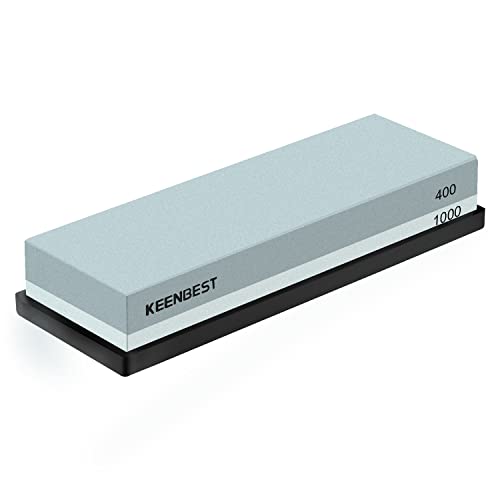
No oil needed, just put the stone into water for 10-15 minutes before using and they are ready to use. You can always adding water on it while sharpening, with water the lubricating effect of grinding will be great and helps you to save strength

WHETSTONE KNIFE SHARPENER — NO SKILL, NO GUESSWORK Most people avoid whetstones because holding the correct angle is intimidating. The included angle guide locks your blade position automatically — making professional knife sharpening practically idiot-proof, even on your first try. No oil needed, no mess, no guesswork.
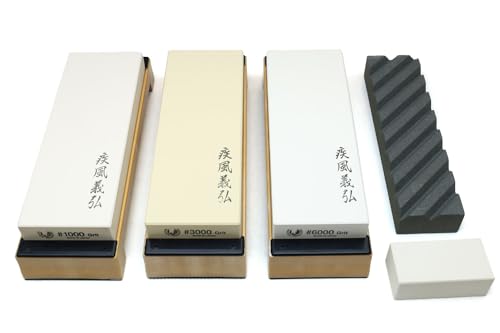
Grade : Toishi Sharpening Whetstone Full Set /Type: Japanese Sushi Chef Tool
Oil Stones: The Durable, Low-Maintenance Workhorses
Oil stones are an excellent choice for sharpening because they are durable, require minimal maintenance, and provide consistent, controlled abrasion. Typically, a light coating of honing oil is used to keep swarf floating away, which prevents clogging and ensures the abrasive grit remains effective. Whether you’re using a coarse Crystolon for aggressive shaping or a hard Arkansas for fine finishing, the feedback stays predictable and steady. After each use, simply wipe the stone clean and store it in a dry place; there is no need for frequent flattening because oil stones wear slowly over time. They are especially suitable for kitchen knives, chisels, and shop tools, particularly when longevity and steady performance outweigh the need for rapid material removal. Mastering consistent angle control on oil stones is essential, as it directly impacts the quality of your edge.

HONING SOLUTION – Smith’s Honing Solution features built-in stone cleaning agents and rust corrosion inhibitors and it can be used on all sharpening stones. This non-petroleum-based honing oil will prevent your sharpening stones from clogging.

Knife Sharpener Stone Sharpening Oil to be used with your favorite sharpening system and Oil Stone to revitalize, maintain and preserve your tools, kitchen knives, utility knife and more
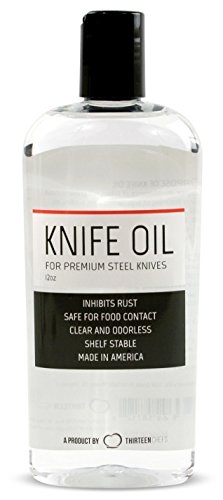
Food Safe Certified - Made in USA facilities, contains no harmful ingredients
Diamond Sharpening Stones: Raw Speed for Hard Steels
Diamond sharpening stones are the fastest option for sharpening hard, high-alloy steels. Their industrial-grade diamond abrasives cut aggressively, allowing you to reshape damaged edges or reprofile bevels in just minutes. These stones have monocrystalline diamond particles bonded to a steel base, often electroplated in nickel for added durability. You’ll find they stay flat and resist wear, even on carbide-rich or high-HRC steels, making them ideal for demanding tasks. For those needing a stable work surface, cutting boards with feet can provide a non-slip base while using these stones on a countertop. Similarly, choosing a bamboo cutting board can help prevent excessive wear on your knife edge during food prep, as these boards offer a good balance of hardness and give. For entertaining purposes, a high-quality charcuterie board can also complement your knife maintenance setup by providing a durable serving surface.
You can customize the abrasiveness by selecting different grits. Coarse grits around 300 are best for quick material removal when you need to reset an edge, while finer grits between 600 and 1200 are suited for refining and polishing. Be cautious with your pressure; applying too much can lead to over-sharpening or damaging your edge. These stones are especially effective at the initial stages of sharpening, such as setting new edges on outdoor knives or tools.
Regular cleaning is necessary to prevent clogging, which can reduce cutting efficiency. Despite that, their speed, flatness, and robustness make diamond sharpening stones unmatched for work on tough steels. Whether you are working on a high-performance blade or restoring a heavily damaged edge, these stones deliver rapid results.

NEW TREND DIAMOND SHARPENING STONE KIT: Comes with Professional Double-Sided (300/1000 Grit) Bench Stone, Non-Slip Mat, Cleaning Block & Storage Pouch. Sharpen your tools with ease

Includes 3 diamond-coated sharpening bench stones in 150, 300, and 450 grit for coarse to fine sharpening
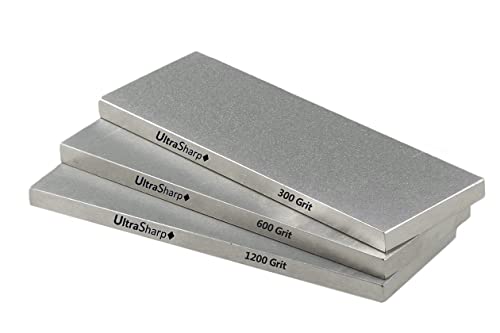
The Best Value We've Seen! 3 stones included.
Ceramic Stones: Precision Finishing for Modern Alloys
Ceramic stones are ideal for precision finishing rather than heavy stock removal. They excel at reducing scratch depth and achieving a mirror-like finish, often up to 16,000 grit. Unlike diamond stones, which rapidly remove material from hard steels, ceramic stones focus on refining the edge for a smooth, polished surface. Their abrasive selectivity is key: aluminum oxide provides controlled, long-lasting cutting suited for stainless and high-alloy steels, while silicon carbide is more effective on brittle materials like carbide. This makes them particularly valuable for final honing on hard Japanese knife steels. High wear resistance prevents dishing and maintains a flat surface, ensuring consistent results over many uses. Use ceramic stones after initial sharpening to refine the edge, not for heavy reprofiling or repair. By reducing scratch depth and enhancing polish, you’ll achieve a clean, refined edge every time. Unlike oil-based sharpening media, these stones require only water or a light lubricant, and fractionated coconut oil is a popular carrier for suspended diamond compounds when working with ultra-hard alloys. This focused refinement is especially beneficial for elite chef knives that demand a superior polished finish for precise slicing performance. For hosts who prioritize both edge retention and table presentation, premium silverware sets often pair well with high-grit ceramic sharpening for keeping steak knives consistently sharp.

Size: 175 x 55 x 25 mm

Convenience & Durability:Diamond sharpening plates are far more durable and easily to maintain than whetstones because they won't be cratered and do not need to be flattened

Fine Grinding: the sharpening stones are about 0.2 inch/ 5 mm in thickness, this 15000 grit whetstone features a 0.64 microns particle size, perfect for straight razors, chisels, plane blades, and carving knives; Due to its softer texture, avoid heavy pressure during use to ensure a flawless, mirror polished edge