
Wondering if your wood cutting board is safe from bacteria? The good news is that certain woods like maple and pine can reduce bacteria to barely detectable levels within minutes, much faster than plastic.
This is because wood’s porous surface pulls moisture and germs below the top layer, making it harder for bacteria to survive.
Keep reading to discover when wood is truly antibacterial and what cleaning practices matter.
What Research Found About Wood Cutting Boards and Bacteria
Research shows that wooden cutting boards can reduce recoverable bacteria faster than plastic ones. The antibacterial properties of wood are activated quickly; bacteria often become undetectable within minutes. For example, on wooden surfaces made from maple or pine, bacterial levels can drop below detection in just a few hours, even when contaminated heavily. In contrast, plastic boards allow bacteria to survive and multiply overnight, increasing the risk of cross-contamination. However, not all woods perform equally—oak tends to be less effective than maple or pine. Dirty or fat-coated wooden surfaces can still harbor bacteria, so proper cleaning with hot water and detergent remains essential. Overall, research suggests that wood offers a significant advantage in rapidly reducing bacteria compared to plastic for food safety. When selecting the best wood for your kitchen, maple or pine are proven to be more effective at reducing bacterial levels. For those seeking a complete kitchen setup, top knife sets with blocks often pair well with wooden cutting boards for optimal hygiene.

Maple Wood Material Quality & Durability:Precision-crafted maple wooden chopping board with lasting durability. Dense wood withstands wear, warping and cracking. Unique natural grain adds charming aesthetic to your kitchen.

PREMIUM SOLID HARD MAPLE WOOD — This cutting board is meticulously crafted from genuine solid maple wood. Its smooth surface effectively prevents knives from becoming dull, even with heavy daily use. With its tight, fine grain and soft, creamy hue, it exudes a minimalist beauty that blends seamlessly with any kitchen decor style
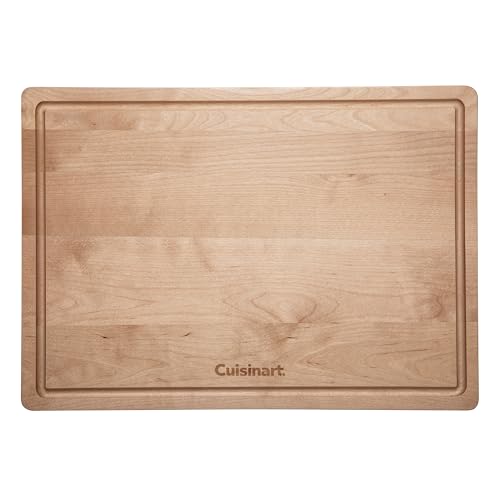
Convenient double-sided board superbly crafted from durable, beautiful maple wood
Why Wood Cutting Boards Trap Fewer Bacteria Than Plastic
Wood’s porous structure traps fewer bacteria than plastic because it pulls liquid and bacteria beneath its surface. Its natural pores enable capillary action, drawing moisture inward and often absorbing it within minutes. This process embeds bacteria into microscopic channels and fibers, isolating them from the surface. As a result, bacteria become difficult to retrieve with a swab or knife. Plastic boards, lacking this absorbent quality, leave contamination exposed on the surface for hours. The smooth plastic surface can host bacteria that multiply in damp conditions, making it easier to recover and potentially spread. Conversely, wood quickly reduces surface moisture, depriving bacteria of the wet environment they need to survive. While these bacteria are not instantly killed, their ability to contact food decreases significantly, lowering the risk of contamination. Choosing the best wood for your butcher block ensures these natural antimicrobial properties are maximized for safety. Pairing the right cutting board with a quality chef’s knife can further enhance your kitchen workflow. For optimal hygiene, a hardwood like maple is a popular choice for its density and tight grain pattern.
When Wood Cutting Boards Retain Bacteria Longer
Wood cutting boards can harbor bacteria longer when they stay wet or are heavily contaminated with raw meat juices. Moisture retention allows bacteria to survive for extended periods, especially in humid environments. High bacterial loads, such as over one million colony-forming units (CFU), can persist past 12 hours even after cleaning. Surface porosity influences how long bacteria remain; pine tends to kill bacteria quickly, whereas beech, poplar, or bamboo can hold onto microbes for longer. Worn, scratched boards also provide microscopic cracks where bacteria can hide and survive standard washing. To minimize risk, keep your board dry, avoid pooling raw juices, and replace boards with deep cuts or significant wear. For cleaning damaged boards, a utility knife may help remove stubborn residue from deep grooves. Charcuterie boards, for example, often combine raw meats with cheeses and fruits, which can increase the risk of cross-contamination if prepared on a worn wooden surface. Choosing a wood like maple or walnut can reduce bacterial retention due to their tighter grain structure.
Wood vs. Plastic Cutting Boards: Which Is Safer?
Wood generally provides a safer surface for food contact than plastic, especially as the board ages. Freshly cut wood has a porous grain that absorbs bacteria, but it also contains natural antimicrobial properties that kill or reduce microbes—up to 99.9%—after several hours. In contrast, plastic boards start out nonporous, but knife scars quickly develop, trapping bacteria in the deep grooves. Used plastic boards often have higher bacterial loads than used wood because of these scratches. To maintain safety, keep your plastic board smooth and replace it once deep cuts appear. In the end, the condition of the board matters more than the material; a well-maintained wood board generally outperforms a worn plastic one. Separating raw meat and produce on different boards is essential regardless of material. Charcuterie boards are often designed with end-grain or smooth finishes that highlight these natural antimicrobial benefits while serving as stylish serving pieces.

THREE IDEAL SIZES FOR EVERY TASK - This bamboo cutting board set includes three essential cutting board sizes - 15x10”, 12x8”, 9x6” - covering all your kitchen needs. Use the small board for quick fruit prep, the medium for slicing vegetables, and the large for carving meats, rolling dough, or creating an elegant charcuterie board spread.

100% BAMBOO: Kikcoin bamboo wooden cutting boards for kitchen preserves the original bamboo grain and texture.The surface is carefully polished and coated with food-grade oil, ensuring a smooth, burr-free finish that resists cracking
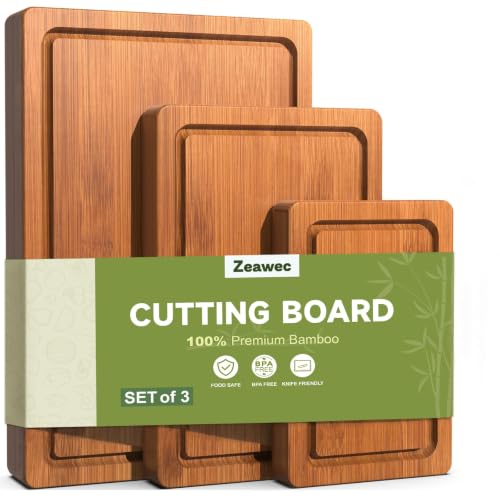
【Say Goodbye To Warped Boards】: Enjoy long-lasting durability with carbonized bamboo that resists cracking and splitting, even with heavy daily use.
How Cleaning and Drying Determine Your Board’s Hygiene
Proper drying is just as important as cleaning your wood cutting board. After washing with warm water and mild dish soap, you should towel-dry the board immediately to remove surface moisture. Then, stand the board on its edge or on feet to promote airflow, ensuring it is exposed to air from all sides. Let the board air-dry completely before storage to prevent moisture buildup, which can lead to mold or warping. Avoid storing the board flat or in damp drawers, as these conditions slow drying and encourage microbial growth. Keeping the surface dry and intact helps maintain hygiene and prolongs the life of the wood. The type of wood grain affects how easily moisture penetrates and evaporates from the surface. Remember, routine washing and drying are key to keeping your board sanitary; moisture is the main factor that can undermine even thorough cleaning efforts. Unlike rotary graters, which are designed for efficiency and durability, wood cutting boards require careful drying to prevent moisture-related issues. However, even with diligent drying, deep knife grooves can harbor bacteria that surface cleaning cannot fully reach, making periodic sanding or replacement a necessary safety step, unlike non-porous surfaces that resist such penetration.

- Made of sturdy, eco-friendly, and easy-to-clean bamboo. Surface special treatment, the water is not easy to penetrate. No crack, no deformation.
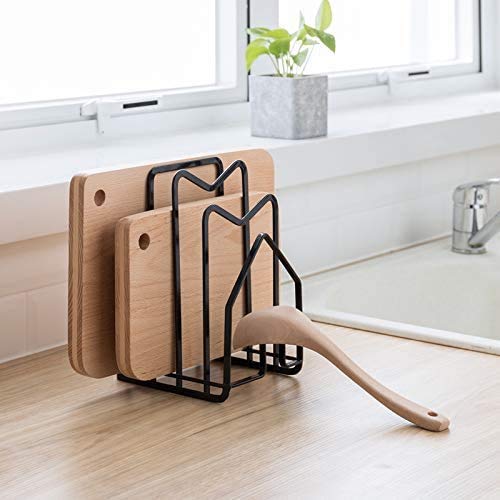
CUTTING BOARD RACK FLEXIBLE USES: you can use it to store your cutting board, chopping board, lids (THE TOP SLOT WITH A V-SHAPED GROOVE CAN HOLD POT LIDS.),cooking spoons, and recipe books etc. it securely holds items and keeps them organized, keeping your space mess free.

【Cutting Board Storage】Convenient to store cutting boards/pot lids/ plates, Suitable for kitchen cabinets.
Practical Steps for Using Wood Cutting Boards Safely
Proper cleaning and drying are essential for keeping your wood cutting board hygienic, but how you use it daily is equally important for safety. Always keep raw meat, poultry, and seafood separate from ready-to-eat foods like bread and fruit. Use designated boards for these types to prevent cross-contamination; color-coding or labeling can be a helpful system to keep tasks clear. Choosing a stone with the right grit level ensures the board’s surface remains smooth and free of deep scratches.
When using your wood board, reserve it for lower-risk foods such as produce, cheese, or bread whenever possible. Avoid using it for raw meats, which have a higher chance of bacteria transfer. Never soak your board or put it through a dishwasher—hand wash it quickly with warm water and soap, then dry it upright to allow air circulation. Regularly inspect the board for deep grooves, cracks, or warping; damaged boards can trap bacteria and should be retired. To maintain its condition and prevent bacterial growth, apply a thin layer of food-grade mineral oil periodically. After handling raw meat, always sanitize the board with an appropriate sanitizer solution to ensure any remaining bacteria are eliminated. Bamboo boards, however, are harder than wood and can dull knives faster. For a more sustainable option that withstands daily wear, bamboo’s dense grain makes it naturally resistant to moisture absorption, reducing the risk of warping over time.
