Ever wonder how to build the perfect charcuterie board for any occasion? Whether you’re after a classic cheese and meat platter or something more themed like vegan or seafood spreads, the key is in balancing flavors, colors, and textures.
With a few simple tips, you can create beautiful boards that tempt every palate.
Keep reading for the full scoop on crafting your ideal spread.
The Classic Board: Savory Meats and Cheese Done Right
Centering your board around a balanced trio of cheeses, meats, and accompaniments creates a visually appealing and satisfying spread. Start by selecting a mix of soft, firm, and sharp cheeses—such as Brie for creaminess, Cheddar for versatility, and Manchego for a bold flavor. Pair salty Prosciutto with creamy Brie for a classic artisan match, and spice up the plate with spicy Soppressata alongside nutty Manchego. To add height and visual interest, fold or fan different meats like Salami and Prosciutto. Fill in the gaps with an assortment of crackers, nuts, and sweet fig jam for variety. Keep soft cheeses chilled until serving but bring them to room temperature to maximize flavor. Include briny olives and a tangy mustard to cut through the richness, helping balance the overall palette and keep the board crowd-pleasing. For effortless slicing of hard cheeses and salami, keep a pair of heavy-duty kitchen shears on hand. A reliable cutlery set ensures these shears remain sharp and durable for repeated use. Using proper sharpening stones on the shears will maintain their edge over time, just as wood carvers rely on them for their tools.

13 X 13-INCH SERVING SPACE: Arrange cheese, cured meats, crackers, fruit, nuts, olives, and other appetizers across the center and surrounding sections for a clear, organized presentation.


READY-TO-GO CHARCUTERIE: Peel and enjoy the COLUMBUS Charcuterie Board Set without hassle
The Meat-Lover’s Board: Piled High With Cured Meats
A meat-lover’s board typically features 3 to 5 varieties of cured meats. This range creates visual interest and ensures a good balance of flavors without overwhelming your guests. Include a mix of whole-muscle cuts like prosciutto, ground-and-cased options like salami, and cooked elements such as pâté for texture variation. Artful folding of the meats adds height and visual volume, making the presentation more appealing. Place darker cured meats next to lighter accompaniments to enhance color contrast and visual pops. To keep the display tidy, fill gaps with crackers or nuts, which also provide structure. Plan for about 60 grams of meat per person, focusing on variety rather than large quantities of a single item. For slicing large salami or prosciutto, a high-quality utility knife ensures clean, even cuts. Just as with sharpening knives, a balanced sharpening angle ensures both durability and precision in your work. A quality skinning knife can also offer similar precision when trimming fat from cured meats. Keep everything refrigerated until serving, and avoid letting the board sit out longer than two hours. Use tongs or toothpicks during grazing to minimize contamination.

Our Dietz & Watson Charcuterie pack is perfect to create your next holiday board

Multipurpose Design: Our charcuterie board features a four-sided clasp design, ensuring that the lid is securely fastened to the wooden base, thereby preventing the food from falling out during transit.This comprehensive charcuterie board kit enhances your kitchen, while augmenting food presentation for gatherings, parties, or commercial events.

READY TO EAT: This pre-sliced COLUMBUS Sliced Charcuterie Sampler includes charcuterie meat like Calabrese, Genoa, Italian Dry, and Sopressata salame
The Cheese Board: Soft, Hard, and Spreadable Varieties
Mix these varieties to create contrast in texture and taste. Pair a mild, buttery soft cheese with a sharp, aged hard cheese to balance flavor. Serve soft cheeses at room temperature to allow their aromas to fully develop. Accompany them with fruit, nuts, or crusty bread to enhance their qualities. Including one cheese from each category on your board ensures both visual appeal and diverse tasting experiences. Specialized cheese knives, such as soft cheese knives with holes to prevent sticking, can make serving each variety easier and more precise.

PRECISE CUTTING – Specially designed stainless steel blade glides through soft, semi-soft, and firm cheeses with ease, delivering clean, professional-looking slices.
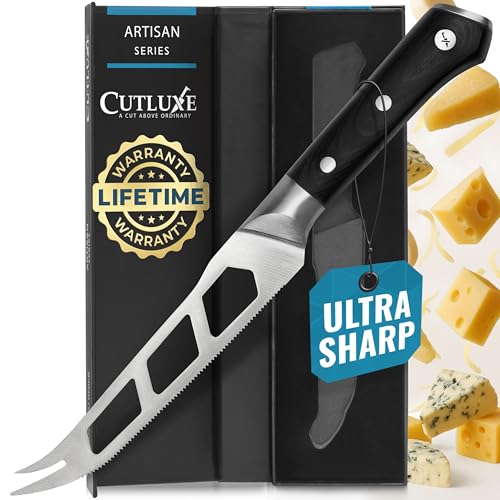
A KITCHEN ESSENTIAL: This pronged cheese knife ensures excellent control when cutting various cheeses like Brie, Cheddar, Mozzarella, and even tomatoes—ideal for a variety of textures.

Built-in Scale for Perfect Cuts: Clear 0.2" and 0.4" marks on the blade let you cut cheese to your exact desired size. Create delicate slices for a cheese board, even layers for sandwiches, or bite-sized cubes for snacking. No more guesswork or uneven pieces
The Sweet Board: Desserts Made for Sharing
A dessert board designed for sharing typically measures about 18 to 24 inches across, providing enough space for a variety of treats without being overwhelming. To create an inviting and balanced presentation, start with anchor items like small bowls of chocolate ganache or caramel, placing them in the center or at focal points of the board. Then, add a scattering of bite-sized chocolates such as truffles, chocolate-covered caramels, and dipped pretzels to achieve an even chocolate pairing and visual harmony. Next, assemble a fruit arrangement using colorful, fresh berries—strawberries, raspberries, and blueberries—that not only add vibrant contrast but also offer a refreshing palate cleanser. Fill in gaps with an assortment of cookies, meringues, and gummies to create varied textures and attract different tastes. Overlapping items slightly helps to fill the space abundantly, giving the board a lush appearance, while scattered mint leaves introduce a hint of freshness. For best results, place juicy fruits last to prevent moisture from seeping into cookies and pastries. Keep the board at room temperature to ensure the chocolates, fruits, and baked goods stay at their best for guests to dip, pick, and share easily. This approach results in an inviting, well-balanced dessert display perfect for any gathering. To maintain a clean, lasting presentation, wipe the board’s surface with a damp cloth before assembling, ensuring a stable base for all the elements. Choosing a board made from durable, easy-to-clean materials can also help maintain its long-term quality and resistance to warping. For those who prioritize lasting performance in their serving tools, selecting a board from a set that emphasizes quality, performance, and value can ensure it withstands frequent use and cleaning.

Healthy Wood: These 14"x 8" cheese platters are made of acacia wood which is a beautiful hardwood that looks good in both elegant and casual situations. No glue, PVC or toxic finishes.

GREAT VALUE: Ample 6-Tray pack ensures convenience, perfect for gatherings or daily use. Never run out of food trays for party buffet, stay prepared to serve with ease. Enjoy flexibility and style with this convenient supply.

Thick Food-grade plastic-BPA Free, no harmful chemicals.
The Breakfast Board: Morning Bites on a Platter
A breakfast board typically features a variety of savory and sweet bites that energize your day. Start by arranging larger items, such as hard-boiled eggs, which provide a protein boost. Place these near small bowls of jam or cream cheese to create logical groupings that make it easy to assemble toppings. Incorporate fresh fruit like berries, grapes, and orange segments to add pops of color and a refreshing taste. Warm pastries like croissants or waffles should be positioned prominently to entice guests. Crisp bacon or sausage links can be added for savory richness. Fill any gaps with small garnishes like herbs or nuts to enhance visual appeal and variety. Serve the board immediately to keep warm items crisp and cold ingredients chilled, ensuring each bite is at its best. This setup makes preparing a brunch quick, accessible, and perfect for sharing.

Package Includes: you will get 50 pieces chalkboard cupcake toppers totally, enough to decorate your party into an unforgettable and enjoyable one

Package Content: You will receive 20 pieces of bamboo tongs and 200 pieces of bamboo forks. Sufficient quantity will meet your daily use and replacement.
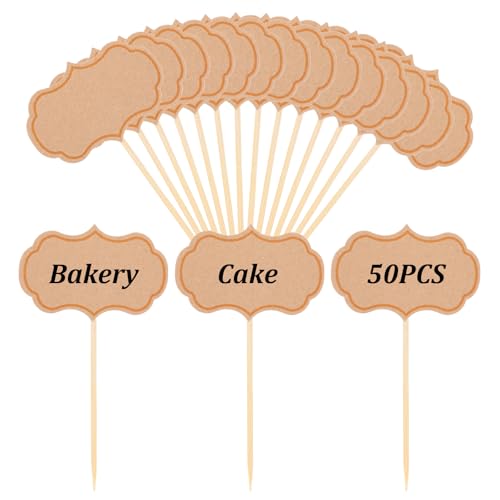
【Perfect size for Easy Labeling】Food labels for party buffet are 9*6cm/3.5*2.3inch in size, with 3.9-inch long bamboo sticks and 5 adhesive stickers. This size ensures clear visibility during buffets or parties and is highly practical
Theme Boards: Taco, Vegan, Seafood, and Holiday Spreads
Theme boards can perfectly match any occasion or cuisine, allowing you to customize every element. For a taco board, gather seasoned meats like beef or chicken, beans, salsa, and tortillas, placing each in separate bowls so guests can build their own tacos. Incorporate vibrant herbs and fresh produce to add color and contrast. For optimal cutting performance, consider using a Japanese kitchen knife to precisely slice the seasoned meats. However, remember that wood cutting boards should never be placed in a dishwasher to avoid warping and cracking. Understanding the concept of charcuterie boards helps ensure each ingredient complements the overall theme.
Vegan boards replace meats with hummus, roasted vegetables, and vegan cheeses. Use an array of fresh fruits, crunchy vegetables, and flavorful herbs to create an appealing spread that caters to plant-based diets. Bright spices and colorful produce make the board inviting and visually appealing.
Seafood spreads focus on freshness with chilled shrimp dip, pickled asparagus, and crusty bread. Emphasize textures and cool flavors by arranging ingredients in distinct zones and layering items for visual interest. Incorporate lemon wedges and herbs to enhance the seafood theme.
Holiday boards embrace seasonal ingredients like cranberries, pomegranate seeds, apples, cured meats, and a selection of cheeses. Use color contrast and layered clusters to evoke festivity. Create separate sections for wet items such as dips and spreads, and crunchy items like nuts and crackers, to keep textures distinct and the presentation cohesive.