You might wonder if it’s okay to toss your wood cutting board in the dishwasher. The quick answer is no — the heat and harsh detergents can damage the wood beyond repair.
Proper maintenance keeps your board flat and cracks-free, and I’ll show you how to do it right.
Keep reading for the simple steps to care for your wood cutting board.
The Short Answer: Skip the Dishwasher for Wood Boards
You should completely avoid putting your wood cutting board in the dishwasher. The high heat and moisture from dishwasher cycles cause warping, cracking, and stripping away the board’s natural oils, which shortens its lifespan. Wood is porous, so it absorbs water during washing, leading to swelling. The heat then speeds up warping and cracking, while the water jets stress the surface. Repeated dishwasher use can weaken glue joints in laminated boards, resulting in more significant damage over time. For comparison, butcher knives for deer hunting and processing require careful handling as well, but their maintenance differs from cutting boards. Selecting a durable board from top rated utility knives comparisons often highlights how material resilience matters for long-term use. Bamboo boards are not immune to these issues either, and while they are generally harder and more moisture resistant than many wood varieties, they still require gentle care. The same rules apply: hand wash with mild soap and warm water, then dry thoroughly. After drying, applying a food-safe wood oil helps restore moisture and protects the grain. Unless the manufacturer specifically states that your board is dishwasher safe, stick with gentle hand washing to keep it durable. This approach ensures your wood or bamboo board stays in good condition for years to come.
5 Signs a Wood Cutting Board Is Ruined by Water Damage
Water damage that is beyond repair on a wood cutting board exhibits five key signs. First, check for warping or cupping—if your board no longer sits flat on the counter, water has likely compromised its stability. Second, look for cracks, splits, or opened seams along the grain or glued joints, which indicate the wood has dried out and fractured. Third, persistent dark stains, gray marks, or discoloration that resist stain removal suggest water has penetrated deeply into the wood fibers. Fourth, mold, mildew, or a musty odor in grooves and crevices point to trapped moisture fostering microbial growth. Fifth, feel for soft or spongy patches and observe a rough texture or darkening after drying, signs that the wood has swollen and lost its integrity. If you detect any of these issues, it’s best to replace the board to ensure safety and durability. Selecting a board from top knife cases can help you pair durable surfaces with high-performing blades, ensuring your cutting tools stay sharp and your board lasts longer. Keeping your knives in top knife sets can help maintain cutting performance while you avoid damaging wooden boards. Using a harder Japanese knife steel like white or blue carbon steel requires extra care to avoid chipping on compromised surfaces.
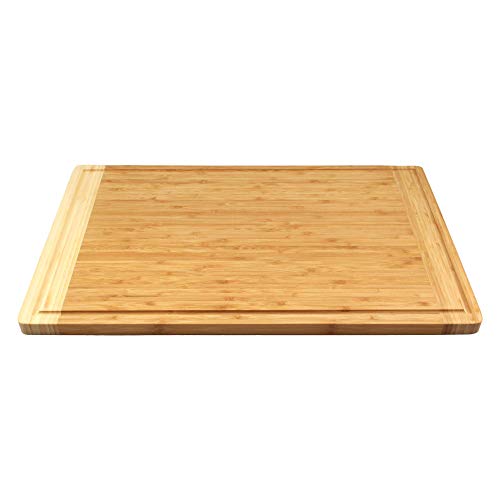
22" x 14" x 0.75" (L x W x H) - 1 Piece - Dimensions are approximate and may vary slightly due to small variations in the manufacturing process. Please measure the width of your slot to make sure that this cutting board will fit. The width of the cutting board is just shy of the measured dimensions. Each board can have variations of up to 1/4" inch from the measured width

NATURALLY DARK, CARBONIZED BAMBOO finish delivers a rich, luxurious look with better stability and lower moisture absorption for a longer-lasting bamboo cutting boards for kitchen.

✔MEASUREMENT TIPS- 22" x 17.75" x 0.75" (L x W x H) - 1 Piece - Dimensions are approximate and may vary slightly due to small variations in the manufacturing process. The width of the cutting board may be 1/4" inch greater than the posted width. Please measure the width of your slot to make sure that this cutting board will fit.
What Dishwasher Heat and Moisture Do to Wood Boards
Dishwasher heat and moisture damage wood boards rapidly and irreparably. The high heat causes wood fibers to expand quickly, and as they dry, they contract just as fast. This repeated expansion and contraction create internal stress, which leads to cracking and splitting. Strong dishwasher detergents also strip away the wood’s natural oils and protective finish, making the surface more vulnerable. The combination of heat, water, and chemicals accelerates grain separation, weakening the fibers along growth lines and causing fibers to pull apart more easily. Moisture absorption is uneven, leading to swelling on one side and warping of the board. Unlike durable kitchen tools such as top rotary cheese graters, wood lacks the structural resilience to withstand repeated machine washing. The same harsh cycle that can damage wood boards also makes rust formation more likely on knives stored improperly. Repeated dishwasher cycles turn minor surface imperfections into deep splits, render the wood brittle, and significantly shorten the board’s lifespan. This is why some specialty boards, like expensive charcuterie boards, are never machine-washed by owners who want to preserve their investment. To preserve your wood boards, avoid putting them in the dishwasher altogether.
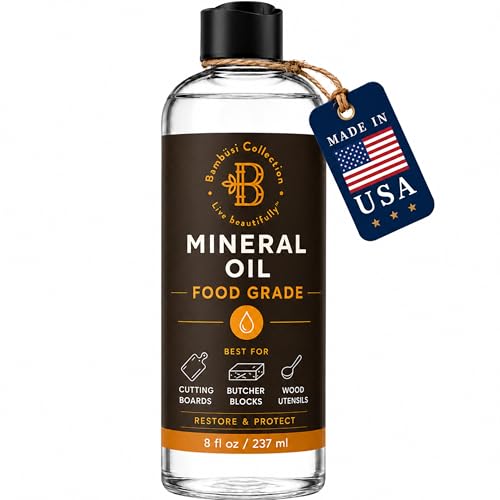
FOOD GRADE MINERAL OIL: This clear, odorless and tasteless white mineral oil is food safe and made for kitchen wood and food-contact surfaces. It soaks into dry cutting boards and butcher blocks to condition the wood without adding fragrance, flavor or unwanted residue
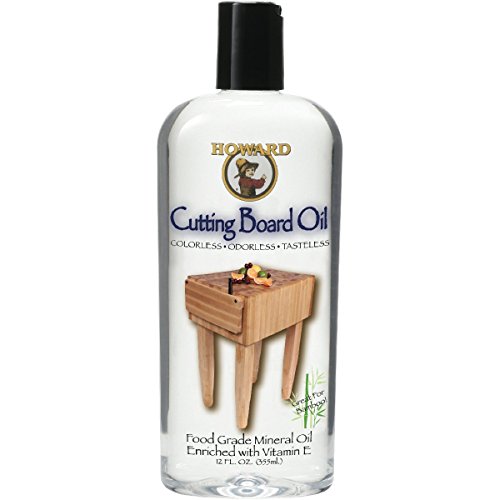
Cutting Board Oil is a deep penetrating 100% Pure USP Food Grade Mineral Oil that is tasteless, odorless, colorless, and will never go rancid

Revitalizing blend prevents drying and cracking of hardwoods and bamboo
The Right Way to Hand-Wash a Wood Cutting Board
To clean a wood cutting board without damaging it, start by removing all stuck-on debris with a bench scraper, paying close attention to grooves and knife marks. Next, wash the surface with warm water and a small amount of mild dish soap, using a soft sponge to gently scrub. Avoid soaking the board—quick washing and rinsing are crucial to prevent warping. Rinse thoroughly to remove soap residue, then dry immediately with a clean towel, making sure to cover both sides and edges. After towel-drying, stand the board upright to air-dry completely before storing. For a deeper clean, you can also sanitize the board by wiping it with a diluted bleach solution to kill harmful bacteria. For long-term care, regularly oil the board with food-grade mineral oil to keep the wood hydrated and prevent cracking. Applying a thin coat of oil after cleaning helps restore its natural luster and offers added protection against moisture. Store the board in a manner that protects knife edges and prevents damage to your countertops.

FOOD GRADE QUALITY: Premium mineral oil designed for direct and indirect food contact, meeting U.S. FDA regulations and USP standards for maximum safety

FOOD-GRADE MINERAL OIL FOR CUTTING BOARDS: Helps restore and protect dry cutting boards, butcher blocks, and wooden kitchen surfaces. Refreshes dull, worn wood and helps prevent cracking or splitting; works on bamboo, teak, acacia, olive wood, and hardwood boards

NSF CERTIFIED FOOD GRADE - This premium mineral oil is NSF certified and lab-tested to meet the strictest food safety standards. Colorless, odorless, tasteless, and gluten-free — perfect for cutting boards, butcher blocks, and all food-contact surfaces.
How to Sanitize a Wood Cutting Board After Raw Meat
After cleaning your board with hot soapy water, you need to sanitize it to eliminate any bacteria leftover from raw meat. Use a solution of one tablespoon of unscented bleach per gallon of cool water, and flood the surface with it for five minutes. Rinse thoroughly afterward to remove any residual bleach. Alternatively, you can use 3% hydrogen peroxide; pour it over the surface and let it sit for five to ten minutes before rinsing. Avoid relying on vinegar or lemon for disinfection, as these are more effective for deodorizing rather than killing bacteria. Be sure to sanitize both sides of the board to prevent warping. After sanitizing, dry the board immediately with a clean towel to prevent moisture buildup. Regularly apply food-grade wood oil to keep the grain sealed and prevent absorption of liquids. For carving detailed grooves into the board, you might consider using hook knives designed for precision woodwork. A fine carving knife can help you slice roasted meats precisely without damaging the board. Address stains promptly with a gentle scrub since deep cuts can harbor bacteria permanently. If persistent odors exist or if the cuts are deep, consider replacing the board to maintain safe food preparation. Consider using butter knives with holes for spreading softened butter, as they are designed for smooth application without tearing the board’s surface.

NSF CERTIFIED FOOD GRADE - This premium mineral oil is NSF certified and lab-tested to meet the strictest food safety standards. Colorless, odorless, tasteless, and gluten-free — perfect for cutting boards, butcher blocks, and all food-contact surfaces.

FOOD GRADE MINERAL OIL: Our mineral oil oil is lab tested to meet strict food safety standards. Clark's wood cutting board oil is not colorless, providing deep nourishment while keeping your wood cutting boards and kitchen surfaces protected.

FOOD SAFE MINERAL OIL FOR WOOD CUTTING BOARD : Be safe with our 100% foodsafe mineral oil for use on natural wood. It's a perfect fit for all of your wood cutting boards, utensils, countertops, salad bowls, wooden products, and stainless steel since it's odourless and colorless!
4 Daily Habits to Keep Your Wood Board From Cracking
Dry your wood board completely after each wash. Stand it upright to allow airflow on both sides, paying close attention to the edges and corners, which are often overlooked. Wipe spills immediately to prevent standing water from seeping into the wood, as moisture causes cracks over time. Regularly oil your board with food-grade mineral oil, applying it evenly across the top, bottom, and edges to create a moisture-resistant barrier. Store your wood board in a cool, dry place away from heat sources like stoves, radiators, or direct sunlight to maintain proper humidity levels. Avoid stacking wet boards together; instead, store them vertically to ensure air circulation. Additionally, rotate the side you use most often to distribute wear evenly and reduce stress on any one area. For an extra layer of protection, you can also apply a homemade wax blend to the board’s surface, similar to the way a DIY stropping compound creates a durable, smooth finish. Using a high-quality chef’s knife on your oiled board will also help prevent deep scoring and surface damage that can trap moisture. The same principle of maintaining a sharp knife edge reduces the need for excessive force, which minimizes cuts and grooves in the board. These simple daily habits help prevent cracks and extend the life of your wood board.
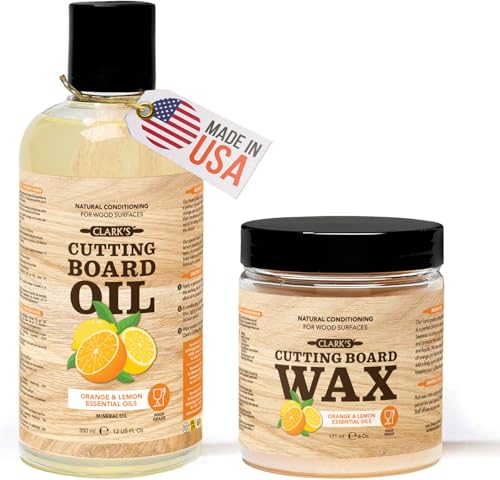
PERFECTLY PAIRED - CLARK’S food grade mineral oil for wood cutting board and CLARK’S wood wax are designed to work seamlessly together. We always recommend using them...