Have you ever wondered what makes a charcuterie board such a crowd-pleaser? It’s essentially a beautifully arranged platter of cured meats, cheeses, breads, fruits, and nuts designed to be both visually appealing and delicious.
With just a few tips, you can create a stunning spread that balances flavors and colors perfectly.
Keep reading for everything you need to know to style your own impressive board.
What Is a Charcuterie Board? (And Where Did It Come From?)
A charcuterie board is a curated platter featuring an assortment of cured meats, cheeses, breads, fruits, and nuts. Its origins trace back to 15th-century France, where the term “charcuterie” referred to shops specializing in preserved pork products. These shops showcased techniques for curing and preserving meats, primarily using salt and other natural preservatives, long before refrigeration was available. Over time, these practices evolved into a refined culinary tradition that highlights craftsmanship and flavor. While bamboo boards are often considered a safe and sustainable option, they can be harder on knife blades due to their high silica content, making knife maintenance an important consideration for frequent use. Selecting the right serving tools matters greatly, as pairing these foods with a high-quality cutlery set can enhance the experience of cutting and presenting meats and cheeses. Today’s charcuterie boards blend this historical practice with contemporary presentation, turning meat preservation into an art form that emphasizes variety, balance, and visual appeal. Unlike wooden cutting boards, which should never be placed in the dishwasher to avoid warping or cracking, charcuterie boards often use materials designed for easy cleaning and long-term display.
The 6 Essential Ingredients for a Charcuterie Board
To build a well-rounded charcuterie board, start with three to four cheese varieties that offer distinct flavor profiles. Include a creamy cheese like brie, a sharp aged cheddar, and perhaps a tangy blue cheese or a mild gouda to add variety. The goal is to create a balance of textures and tastes that will appeal to different preferences. To maintain the board itself in top condition after use, applying food-grade wax helps protect the wood surface and extend its lifespan. For cutting cheese and cured meats, a high-quality utility knife ensures clean, precise slices without tearing delicate ingredients. This foundational step ensures you have a range of richness, acidity, and creaminess in every bite. If you want the board itself to match the quality of your ingredients, consider options reviewed for top charcuterie boards that balance style and performance.

Protects Wood from Drying and Cracking - Wood wax, butter, cream, and conditioner is ideally formulated to protect your wooden tools for a lifetime.

Superior Surface Sealing: Our cutting board wax combines food grade mineral oil for wood cutting boards and beeswax for cutting board to provide an exceptional butcher block conditioner that deeply penetrates, ensuring your surfaces remain protected and look pristine.

FOOD-GRADE MINERAL OIL FOR CUTTING BOARDS: Helps restore and protect dry cutting boards, butcher blocks, and wooden kitchen surfaces. Refreshes dull, worn wood and helps prevent cracking or splitting; works on bamboo, teak, acacia, olive wood, and hardwood boards
How to Style a Charcuterie Board for Maximum Visual Appeal
Once you’ve chosen your cheeses, focus on creating a visually appealing layout. Start by placing a few larger items first, such as sizable wedges or blocks, to establish a clear visual hierarchy. To prevent a scattered look, position key items in strategic spots rather than arranging everything in straight lines or rows. Use contrasting colors side by side to make the board pop—pair dark and light foods for vivid color contrast. Repeat three dominant hues across the board to achieve visual balance. Incorporate a variety of shapes—wedges, cubes, rolls, and fans—and add height with folded meats or stacked elements. Group similar items in clusters of odd numbers, like three or five pieces, to create rhythm and interest. Leave intentional empty spaces to give the eye somewhere to rest and avoid overcrowding. Small bowls are essential for messy or cooked components, keeping them contained. Fill any gaps with bite-sized pieces like nuts, berries, or crackers to create a full, curated look. The goal is a balanced, inviting arrangement where your eye naturally moves around the board without feeling overwhelmed. Just as authentic Damascus steel is prized for its distinct pattern and performance, select knives with a visible layered pattern for slicing your charcuterie offerings.

MULTIPURPOSE : These beautiful handcrafted bowls can be used for serving a variety of food items such as condiments, nuts, dips, sauce, salsa. Use it as a chip and dip bowl for snacks while lounging/binge-watching or as charcuterie cups for cheese board.

Portable, Fresh & Travel-Ready: Custom-designed for your outdoor picnics, this portable charcuterie board features a tight-fitting lid and secure locking clips to keep your food fresh and spill-free. The handle and non-slip finger grooves make it easy to carry steadily with confidence.

Premium Materials: This stainless steel condiment cups offers exceptional durability. Whether you need reliable sauce dipping bowls for everyday meals or a complete stainless steel dish set for entertaining, all of them are very suitable. These metal ramekins are ensuring long-lasting performance without cracking or staining. For ketchup or sauce servings, these stainless steel salsa dishes work perfectly, and you can also rely on these sauce bowls for messy condiments without worry.
Best Occasions to Serve a Charcuterie Board
Charcuterie boards are versatile and suitable for almost any occasion. Their adaptability makes them perfect for holidays, casual gatherings, or larger celebrations. For holiday events, try arranging the items in a wreath shape using seasonal ingredients to add a festive touch. At informal get-togethers like game days or book clubs, a no-cook grazing board allows guests to serve themselves easily and socialize without the fuss. When preparing the board, consider whether forged knives are better for slicing hard cheeses or meats, as they generally offer superior durability and edge retention compared to stamped alternatives. However, some debate remains whether charcuterie boards are truly French in origin, as historical evidence suggests the modern grazing board evolved more in American culture than in traditional French cuisine. To keep the board itself in top condition, regularly applying a high-quality wax can protect the wood and extend its lifespan.
Pairing wines with your board can enhance romantic date nights or lively parties. You can also scale the size of the board to suit the number of guests, making it ideal for showers, graduations, or other large celebrations. For brunches, office parties, or picnics, consider using miniature boards or including breakfast-inspired items to keep things fresh and fun. Whether it’s a big event or a quiet afternoon, a charcuterie board can effortlessly fit many types of occasions, keeping preparation simple and encouraging mingling.
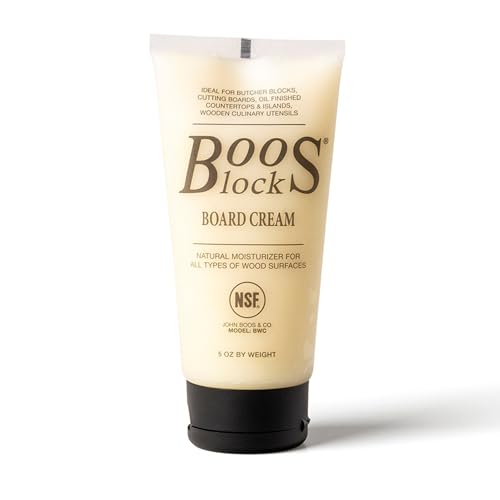
Natural Moisture Cream: Pamper and maintain the wood of your John Boos chopping blocks, cutting boards, or charcuterie boards with our Boos Block Board Cream.
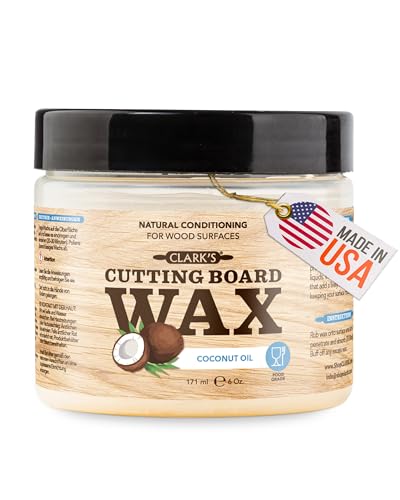
NOURISH & PROTECT YOUR WOOD – Premium cutting board wax and butcher block conditioner made with food-grade coconut oil, beeswax, and carnauba wax. Deeply conditions wood to prevent drying, cracking, and dullness. Perfect for daily kitchen care.

FOOD CONTACT SAFE WOOD CONDITIONER: Formulated with food grade mineral oil for cutting boards, organic beeswax, and carnauba wax. This wood conditioner food grade formula is safe for surfaces that come into direct contact with food.
Food Safety Tips for Your Charcuterie Board
Food safety is crucial when managing your charcuterie board. Always keep perishable items like meats and cheeses at safe temperatures. Don’t leave these out for more than two hours; if the temperature exceeds 90°F, cut that time to one hour. Use small batches and replenish from the fridge to prevent spoilage. To avoid cross-contamination, wash your hands and utensils thoroughly and provide separate tools for each item. For presentation, place dips in small containers and swap them out every two hours to prevent bacterial growth. Wash fresh produce before slicing to remove any dirt or bacteria. Serve hard cheeses and dry crackers when you plan to keep the display longer, as they are safer for extended periods. Assemble the board close to serving time and refrigerate leftovers promptly. Discard any items left out longer than recommended, as food safety depends on it. Also, consider using a wooden or plastic cutting board instead of glass, since glass cutting boards can dull your knives over repeated use. For the best long-term performance, pair your board with a high-quality knife set from a block that offers excellent edge retention and balance.