
Storing leftover charcuterie can feel tricky—how do you keep everything fresh and safe?
The key is knowing the right temperature and proper packing methods to prevent spoilage.
With a few simple steps, you can extend the enjoyment of your favorite meats, cheeses, and fruits.
By the end of this, you’ll understand exactly how to store and reassemble your charcuterie board to keep it tasting great.
Why the 2-Hour Rule Applies to Leftover Boards
The 2-Hour Rule applies to leftover boards. Once you set the board out at room temperature, your safe window starts immediately—regardless of when you finish eating. Every minute the cheese and salami sit outside contributes to potential bacterial growth. Sliced meats and cheeses are more vulnerable after handling and cutting because their protective barriers are compromised. Curing doesn’t prevent bacteria from multiplying quickly in the temperature danger zone. If the temperature exceeds 90°F, the safe window shrinks to just one hour. You shouldn’t rely on smell or appearance, as spoilage can occur without noticeable signs. To keep your leftovers safe, pack them up within two hours or discard them. Temperature, not guesswork or visual cues, determines whether your charcuterie board remains safe to enjoy. For cutting leftover hard cheeses, a serrated knife is often the best tool as it cleanly saws through firm textures without crumbling. Using a top-rated utility knife can also help with precision slicing of cured meats and cheeses. A high-quality chef’s knife from a well-rated set ensures clean cuts through both soft and hard ingredients.
Set Your Fridge to 40°F or Lower for Leftover Charcuterie
After two hours, your leftover charcuterie board needs to be refrigerated. Set your fridge to 40°F or lower to ensure your meats and cheeses stay fresh and safe. Use a standalone thermometer rather than relying on the built-in dial, as the latter can be inaccurate. Bacteria can grow rapidly between 40°F and 140°F, so keeping the fridge below 40°F prevents spoilage. To maintain optimal preservation, avoid overstuffing the fridge so cool air circulates freely, and always store leftovers in the main compartment where temperatures stay more stable. If the fridge temperature climbs above 40°F for four hours or more, discard the leftovers to prevent foodborne illness. Similarly, selecting sharpening stones with the correct grit and profile ensures your knives maintain a precise edge for clean cuts. The design logic behind premium charcuterie often involves costly materials and artisanal craftsmanship.
Separate Leftover Cheeses, Meats, and Fruits Before Refrigerating
To keep your leftovers safe and organized, separate cheeses, meats, and fruits on your serving board before refrigerating. Isolating each category prevents juices and crumbs from spreading, which helps maintain cleanliness and reduces the risk of cross-contamination. This also makes it easier to track which items might spoil faster, minimizing waste. After serving, always separate any remaining components instead of leaving them mixed together, ensuring freshness and safety for future use. For example, using a dedicated plastic cutting board for meats can further minimize bacterial transfer between ingredients. A sharp, well-maintained knife is also essential for clean cuts that reduce the risk of food contamination. For serrated knives, using a specialized sharpening rod ensures the scalloped edge stays effective for slicing through tough cheese rinds.

Large 10.39-in x 14.78-in Utility Cutting Board is ideal for big meals

QUALITY MATERIALS: This cutting board is made of polypropylene plastic. The poly material is non absorbent, nonporous, and will not harbor stains. It is gentle on knives, keeping their blades from getting dull quicker

Commercial-Grade – Made from high-density plastic material that won’t crack, warp or rot ideal for daily use in restaurants and commercial kitchens
Container and Wrap Choices That Keep Leftovers Fresh
Airtight containers with lined interiors are essential for keeping charcuterie leftovers fresh. Use containers made of glass or plastic with rubber seals to limit air exposure and slow drying. For cheeses, avoid plastic wrap because it traps moisture and can lead to sliminess. Instead, wrap them in wax paper or parchment paper, which allows the cheese to breathe. After wrapping, place the cheese in a loosely sealed bag or container for extra protection. Meats should be tightly wrapped in wax paper or deli paper, then stored in airtight containers or resealable bags to prevent clumping and excess moisture. Using the right tools for slicing, such as top pizza scissors, can improve both the quality and performance of your cuts. Small airtight containers work well for soft cheeses, helping them retain their shape, while pre-cut hard cheeses can be stored similarly. For mixed leftovers, use divided airtight containers to stay organized and prevent unintentional mixing. Stacking leftovers directly without wrapping or containers can reduce freshness, so always opt for proper sealing to extend their shelf life. Selecting high-quality cutlery sets for slicing and serving these items also ensures better presentation and cleaner cuts. Working with sanitary wood boards supports hygiene, provided they are properly maintained and not left damp.

The Staple of Your Kitchen: Whether you want to take your lunch to-go, organize for meal-prep, or send some delicious cookies to your loved ones while making sure the food remains fresh along the way, these plastic storage containers are what you need!

The Staple of Your Kitchen: Whether you want to take your lunch to-go, organize for meal-prep, or send some delicious cookies to your loved ones while making sure the food remains fresh along the way, these plastic storage containers are what you need!

Store deli meats, cheeses, and more with airtight freshness: The ProKeeper Mini Deli Keeper stores your deli meats, cheeses, sausages, fruits, and more. Keep your food fresh longer with the airtight silicone seal lid, preventing leaks and blocking moisture.
Control Moisture to Keep Crackers Crisp and Cheeses Firm
Controlling moisture is essential to keep crackers crisp and cheeses firm. To prevent crackers from becoming soggy, store them in airtight containers until serving and keep them in a cool, dry pantry away from sources of steam like stoves or dishwashers. Separation is key: keep crackers away from juicy fruits, pickles, and dips to avoid moisture transfer. For cheeses, your approach to moisture control varies: wrap soft cheeses in breathable parchment to prevent moisture build-up, while hard cheeses benefit from being sealed more tightly. Always store cheeses in the warmest fridge drawer to reduce condensation, which can soften them. When assembling your cheese board, place wet items like fruits and dips on separate sections from crackers and cheeses, adding crackers last to maintain their crunch. This method ensures your crackers stay crisp and cheeses stay firm without losing their moisture balance. To keep metal tools like cheese knives easily accessible while prepping your board, consider mounting a magnetic knife strip on a nearby wall for clutter-free organization. However, if you use a wooden cutting board as your serving surface, keep in mind that wood’s natural porosity can absorb moisture and harbor bacteria if not properly dried and oiled after each use. Unlike low-cost alternatives, high-quality wood with proper oiling resists cracking and maintains a durable surface for long-term use.

ROUND AND SQUARE FOR POPULAR BRANDS: The Stay Fresh cracker container set puts an end to stale crackers and cookies. The set of 2 includes 1 round for snack crackers and sandwich cookies and 1 square for saltine crackers and other square snacks
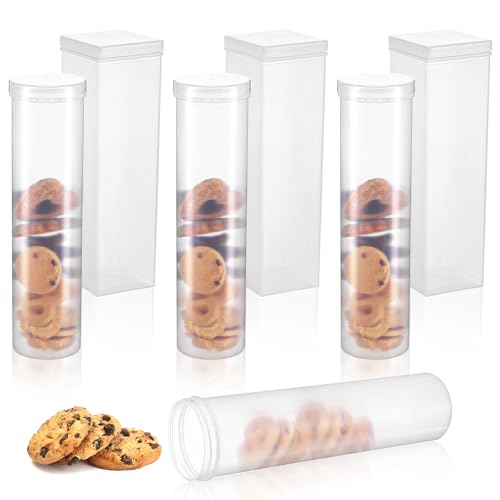
2 Shapes: you will receive 6 pieces of plastic storage containers, 3 are round and the other 3 are square, 2 shapes of food containers allows you to choose according to your organization plan, and the quantity is enough for you to use or share

High Quality: Made of thick and durable plastic, these storage containers are BPA-free, healthy, safe, non-toxic, plastic-free, and will never contaminate the taste of your favorite cookies, and are reusable.
How Long Can You Keep Leftover Charcuterie?
Leftover charcuterie can be safely stored in the refrigerator for three to four days. To maximize freshness and safety, refrigerate leftovers within two hours of serving—that reduces the risk of bacterial growth. If the temperature exceeds 90°F, you should refrigerate within one hour. Opened deli meats typically last three to five days, while soft cheeses remain good for about a week. Hard cheeses can stay fresh up to four weeks when stored properly.
To prevent spoilage, keep meats separate from cheeses and store sliced fruit immediately, as it spoils the fastest. Avoid leaving assembled boards out, since individual components last longer when stored separately. Use airtight containers for crackers and nuts to maintain their crispness. When repurposing leftovers, pair leftover hard cheese with fresh fruit for a quick snack, and re-plate separated items cleanly instead of mixing them again. Discard anything that has been left at room temperature too long or that has exceeded its refrigerated lifespan.
Spot Spoilage Before Serving Leftover Ingredients
To spot spoilage before serving leftover charcuterie, examine each ingredient carefully. For meats, check for discoloration—grey, green, or brown hues indicate spoilage. Feel for slime or stickiness, which are clear signs the meat has gone bad. Smell the meat; sour or ammonia-like odors mean it should be discarded. Look for mold on any meat slices; if mold appears, discard the entire portion.
For soft cheeses like Brie, any fuzzy or unusual mold means you should throw it out. Hard cheeses can be salvaged if you cut at least an inch around the mold spot, but ensure no mold remains behind. Deli meats, fruits, and vegetables with mold are unsafe to consume, so discard them immediately.
Also, inspect packaging: swollen or leaking packages are signs of spoilage or bacterial growth. Check for dull, dried-out textures or unusual color shifts. If any ingredient shows these signs, or if your senses detect anything off, it is safest to throw it away rather than risk foodborne illness.
Quick Steps to Reassemble Stored Leftover Charcuterie
Once you’ve stored your leftover charcuterie components properly, reassembling the board becomes quick and straightforward. Start by rewarming and regrouping the cheeses. Let refrigerated cheeses sit at room temperature for about 15 to 20 minutes to enhance their texture before cutting into wedges or cubes. Keep different cheese varieties separate to preserve their distinct flavors. Place the cheeses in several spots across a clean serving board to create a balanced and inviting appearance. Use a dedicated board for displaying appetizers to maintain a clean and organized setup. For long-term care, regularly applying a natural board wax helps protect the surface from stains and moisture. Understanding the board’s intended style can also guide how you arrange the final presentation for visual appeal.
Next, rebuild the meat section. Fold sliced meats into quarters or form loose rosettes to create a fuller, more appealing presentation. Cluster the meats in small groups between the cheeses, ensuring an even distribution. Always keep meats chilled until just before assembly to maintain freshness and safety. Choose a board with a large surface to accommodate all components without overcrowding.
Finally, add crackers and bread last to prevent sogginess. Fan them out along one edge of the board, away from moist ingredients. Fill the remaining gaps with fresh fruit, nuts, and dry accompaniments. Slice fruit just before serving to preserve texture. Scatter small clusters of fruit or nuts for a lush, abundant look, and serve promptly to enjoy everything at its best.
Store Dips and Spreads in Leak-Proof Containers
To prevent messes, store dips and spreads in leak-proof containers with silicone gaskets and locking clips for a tight seal. Test them at home first to ensure they hold securely. Store dips upright to minimize the risk of spills, and use smaller portion cups to control the amount being served, reducing sloshing. Keep your cheese and wine pairings separate from other spreads by using containers with multiple compartments, which prevent tangy spreads from touching fruits until ready to serve. Always refrigerate sealed containers until just before serving to preserve their texture and ensure safety. If warming dips before storage, allow them to cool completely to avoid excess condensation inside the container. Make sure lids and rims are thoroughly cleaned and dried so the seal sits flat, keeping your board fresh and leak-free. For a robust surface that won’t absorb stains or odors, many top-rated wood and bamboo cutting boards perform best when stored separately from wet ingredients.

PORTABLE SIZE: Each features 3’’x 1.7’’, and 2.7 oz(80ml). Perfect Size for packing sauces, salad dressings, peanut butter, jams, dressings, snacks, etc.

PORTION-SIZED 6-PACK – Includes six 1.6 fl oz stainless steel cups with colorful silicone lids. Each cup holds about 3 tablespoons—ideal for salad dressing, dips and condiments without taking up much room in a lunch box

[ Handy 2oz Size ] Each condiment container holds the perfect 2oz portion with clear measurement lines. Compact design fits lunch boxes or snack bags, making healthy meal prep simple and portable.
How to Extend the Freshness of Charcuterie Leftovers
To extend the freshness of charcuterie leftovers, you should refrigerate them promptly within two hours of serving; if the temperature exceeds 90°F, refrigerate within one hour. To prevent bacterial growth, separate meats, cheeses, and produce, wrapping cheeses in wax paper and meats tightly in paper. Avoid stacking unwrapped meats, as this traps moisture and accelerates spoilage. Just as a skinning knife requires the right blade for precision, storing your leftovers correctly preserves their quality. For the best results, pair your storage methods with a high-quality butcher block to ensure a clean, durable surface for repacking your ingredients.
Store everything in the coldest part of your fridge, ideally around 40°F. Label all leftovers with the date they were opened; generally, opened charcuterie remains safe for 3 to 4 days. Soft cheeses and sliced fruits should be consumed sooner, within a couple of days. Keep crackers and nuts in airtight containers outside the fridge to maintain their crunch. For berries, use breathable containers lined with paper towels to absorb excess moisture. Repack leftovers into smaller containers to reduce air exposure and help them stay fresh longer. Always use clean utensils when handling leftovers to prevent contamination. If you won’t finish leftovers within the safe window, freeze them in airtight containers or freezer bags to preserve quality.

REUSABLE BEESWAX WRAPS FOR FOOD made from beeswax, organic plant oils, and natural tree resin in a large 14" x 53" wax paper roll with a colorful pattern of herbs and plants

WAX PAPER ROLL: Contains one roll of Reynolds Cut-Rite Wax Paper, measuring 75 feet x 12 inches
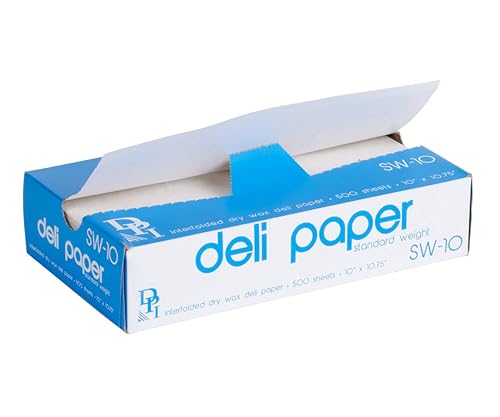
Durable Packaging Interfolded Deli Dry Waxed Paper
