Pull-through knife sharpeners are popular for quick fixes, but they aren’t the best choice for keeping your knives in top shape. They tend to remove a lot of metal quickly—around 2 to 3 millimeters per use—which can damage the blade over time.
If you’re serious about your knives, it’s worth knowing when these sharpeners are okay to use and when to steer clear.
Quick Verdict: Are Pull-Through Knife Sharpeners Worth It?
Pull-through knife sharpeners are generally not worth it for long-term knife care**. They remove metal too quickly, which can significantly shorten your blade’s lifespan. This aggressive sharpening method strips steel each time you use it, leading to a thicker, duller edge over time instead of maintaining the original sharpness. The fixed angles of pull-through devices also fail to match your specific knife’s geometry, which can compromise cutting performance. While they provide a usable edge, it’s usually inferior to results from a whetstone and wears out faster. If you have inexpensive knives for heavy use, they might be an acceptable quick fix. However, for high-quality blades, investing in more precise sharpening methods helps preserve their lifespan and performance, and such methods are critical when caring for premium Japanese kitchen knives. For those seeking a balance of quality and value, reviewing top-rated cutlery sets can help identify blades that benefit from gentler sharpening techniques. A well-reviewed set like those in top knife sets with blocks** often provides the performance needed to make manual sharpening worthwhile.
The Pros of Pull-Through Sharpeners: Speed and Convenience
Pull-through sharpeners are significantly faster and more convenient than traditional whetstones. You can restore a dull blade in just a few pulls, with electric models typically finishing a standard chef’s knife in about a minute. This quick turnaround makes them ideal for busy kitchens where immediate edge touch-ups are necessary, especially for small nicks or quick maintenance. Unlike high-quality whetstones, pull-through sharpeners require no skill beyond placing the blade in the fixed-angle slot and pulling it through. The design ensures a consistent angle every time, reducing the risk of uneven sharpening. Their compact size means they can be stored easily or packed for outdoor or camping trips. As easy-to-use and affordable tools, they encourage more frequent maintenance without the need for extra equipment like stones and jigs, helping you keep your knives sharp with minimal hassle.
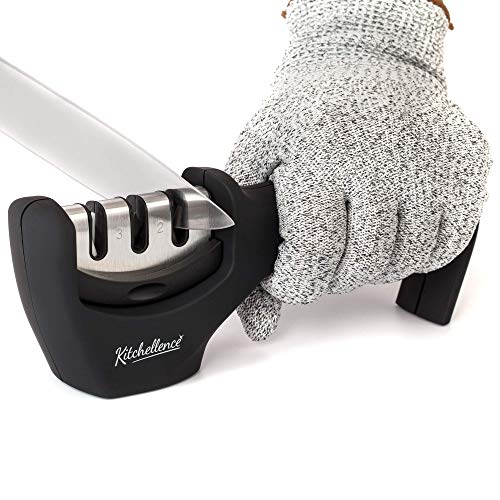
3-Step Knife Sharpener: With our incredible 3-slot system, we’re revolutionizing the art of knife sharpening! The 1st diamond sharpening rod repairs and straightens damaged blades before the 2nd slot sharpens to restore its V-shape. Finally, the 3rd slot fine tunes for a clean polish.

Fast and Easy to use and effective for sharpening all kitchen knives.

EASY TO USE KNIFE SHARPENER: This is the perfect knife sharpener for chef’s knives, paring knives, serrated knives, filet knives, cleavers – you name it. If you own a knife, you need this sharpener.
The Cons: Metal Loss, Altered Angles, and Edge Quality
Pull-through sharpeners cause significant metal loss, often removing 2 to 3 mm of steel per session. This rapid erosion shortens your blade’s lifespan and can alter its balance, making it less effective over time. They also force a fixed sharpening angle, which can mismatch your knife’s factory bevel. As a result, you may need multiple passes to achieve a consistent edge, further grinding away metal and weakening the blade structure. For a budget-conscious cook, investing in affordable Japanese knives can be wasted if such aggressive sharpening strips away the thin, hard steel that gives these blades their superior performance. This is because these devices offer none of the grit progression control that a proper stone setup provides. For those seeking a longer-lasting solution, top kitchen knives with built-in sharpener offer a more balanced approach by integrating the sharpening mechanism directly into the handle or storage block.
The edges produced by these devices tend to be rough and jagged, lacking the polish of professional sharpening. Burrs form quickly, folding over and dulling your knife much sooner. Consequently, you’ll find yourself sharpening more frequently, accelerating wear and reducing overall performance. This approach may seem quick and simple but often leads to more harm than good for your knife’s longevity and cutting power.
Which Knives Work Best With Pull-Through Sharpeners (And Which to Avoid)?
Pull-through sharpeners work best with Western or German stainless steel kitchen knives. These blades typically have conventional sharpening angles and sturdy steel, making them compatible with the fixed guides of these systems. They handle the sharpening process safely and efficiently without much risk of damage.
Budget or utility knives also perform well with pull-through systems. Their simpler geometry and moderate hardness allow them to tolerate the system’s convenience, making them a practical choice for quick sharpening needs. For users seeking a reliable everyday option, consider best knife holders that complement your sharpening setup.
Serrated knives can sometimes be sharpened with pull-through systems if the sharpener includes a specialized diamond rod designed for serrations. Using basic slots on standard pull-through sharpeners without this feature can ruin the serrations or damage the blade.
Avoid Japanese knives and blades made from high-carbon steels above 60 HRC. Their harder blades are prone to chipping when used with fixed-angle carbide wheels, and their sharper angles don’t align well with preset guides. Similarly, avoid specialty blades such as single-bevel yanagiba or knives with bolsters, as these require more precise, manual sharpening methods. For delicate or unusual-shaped blades, sticking with whetstones or professional sharpening services is the safest option. Pull-through systems using carbide or inferior abrasive materials tend to leave scratches in the wrong direction, damaging edge integrity and accelerating dulling.

RAZOR SHARP EDGE IN SECONDS: Quickly and safely sharpens your blades

4-IN-1 KNIFE & SCISSOR SHARPENER:Restore dull kitchen knives and scissors with one compact sharpening tool. Designed with 3 knife sharpening slots plus a dedicated scissor slot, making it perfect for chef knives, kitchen knives, and everyday cutting tools.

Manual 4 in-1 Knife Sharpeners: Our innovative 4-slot system simplifies knife sharpening. Coarse slot(Carbide blades) is used for straightening & repairing damaged blades, Medium slot(diamond sharpening rods) to sharpen the knives,Fine slot for clean polishing & Serrated slot for sharpening serrated blades
How to Use a Pull-Through Sharpener Without Damaging Your Knife
Using a pull-through sharpener correctly is essential to protect your knives from damage. Begin by placing the sharpener on a flat, dry surface and grip the base firmly to prevent slipping. Wearing cut-resistant gloves can provide added safety during the process. For optimal results, matching the sharpener’s angle to the blade’s recommended degree range ensures a better balance of sharpness and durability. Unlike some materials, bamboo cutting boards are generally safe for knife edges when properly maintained.
When sharpening, pull the blade backward through the slot in one smooth motion from heel to tip. Do not push or saw the blade back and forth, as this can cause uneven edges or damage. Use light, controlled pressure; let the abrasive material do the work rather than applying force with your arm. For very dull blades, start with the coarse stage, making 3 to 5 pulls. Finish with 2 to 3 pulls on the fine stage to refine the edge. Always wipe the blade clean after sharpening and test its sharpness on a piece of paper before using it normally. Regularly clean the sharpener to prevent debris buildup that could scratch or dull your blades. For those who also maintain wooden cutting boards, understanding the durability and upkeep of different board treatments can help preserve your knife’s edge.

MINI 2-STEP SHARPENER – Smith’s 2-Step Pull-Through Sharpener has two stages of sharpening, coarse and fine. This portable, lightweight, must-have outdoor accessory will quickly sharpen fillet knives, pocket knives, and hunting knives!
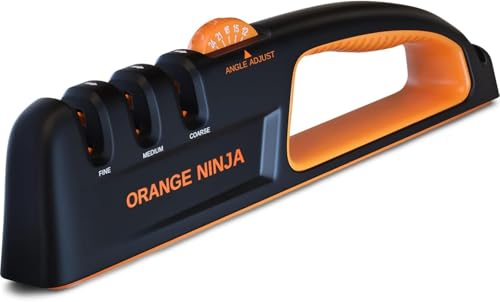
Sharpening Simplified: This adjustable angle knife sharpener gives you a professional-level razor sharp edge by allowing you to sharpen your blades at the correct sharpening angle (12°, 15°, 18°, 21°, & 24°). Designed for straight-edge blades only; NOT suitable for serrated knives or scissors.

4-IN-1 SHARPENING SYSTEM: 4-in-1 knife sharpening system includes 3 stages for knives (coarse, medium, and fine) plus a dedicated scissor sharpening slot