
Wondering how long your diamond sharpening stone will last? With proper care, a good-quality diamond stone can keep functioning for 5 to 20 years.
But how long it actually lasts depends more on how you use it than on its age. Gentle use and regular cleaning can extend its life, while applying heavy force or sharpening hard steels can wear it out faster.
Keep reading to discover how to get the most out of your diamond stone.
What Really Determines How Long a Diamond Stone Lasts?
The longevity of a diamond sharpening stone depends on several key factors. The type of abrasive bonding system plays a major role; monocrystalline diamond stones, bonded with a strong nickel plating, generally last longer than polycrystalline types because their diamond particles resist wear better. When the bond begins to break down, diamond fragments chip out, creating smooth patches that reduce cutting effectiveness. For those who prioritize both durability and affordability, selecting a stone with a robust bond is as critical as choosing a quality knife from a reputable brand.
Your steel type also influences how quickly the stone wears. Harder steels require more passes and pressure, which accelerates abrasive breakdown. Applying excessive force when sharpening dislodges particles faster, whereas light pressure helps preserve the stone’s surface. The workload you give the stone matters too—you’ll wear it quicker when reprofiling damaged blades than during light, routine touch-ups. For example, a stone that is used frequently with high-alloy steels will naturally have a shorter lifespan compared to one used for softer kitchen knives in a home setting.
Maintaining your stone is essential; regular cleaning removes metal debris and prevents surface clogging, which can make sharpening less effective. Top-rated stones from trusted brands often feature quality and performance advantages that extend their useful life. Ultimately, the stone’s lifespan is determined by your sharpening habits, the materials you work with, and how well you care for it. For best results with Japanese cooking knives, always match your stone’s grit to the specific blade hardness you are sharpening.
5 to 20 Years: Realistic Lifespans for Home vs. Professional Users
For home users, a premium diamond stone typically lasts between 10 and 20 years. Proper light maintenance sharpening and moderate use help extend its lifespan. The diamond grit remains sharp longer when you avoid excessive pressure and keep the stone clean. Selecting a quality cutlery set can also complement your sharpening routine by ensuring consistent edge geometry. A cutting board with a juice groove helps protect your stone’s surface from moisture damage during sharpening tasks.
Professional users, on the other hand, can expect a lifespan of about 5 to 10 years. Daily sharpening sessions and more intense use cause faster wear of the diamond grit. Applying too much pressure during sharpening also accelerates the stone’s degradation.
Occasional hobbyists might even find their high-quality plates lasting several decades if used sparingly. Ultimately, the lifespan depends more on how often and how hard you sharpen than on the calendar years. Matching your purchase to your sharpening needs ensures you get the best value from your investment. To preserve edge quality on harder materials, ceramic knives often require a diamond abrasive for effective sharpening.
Why Diamonds “Wear Out” (It’s Not What You Think)
When you notice your diamond cutting more slowly, it’s usually not because the diamond itself has gone dull. Instead, what appears to be wear often results from diamonds popping loose, the plating breaking down, or the surface getting clogged. The bond materials used in diamond manufacturing determine how long your stone remains effective. If the bond is too soft, diamonds may release too quickly, wasting abrasive material. If it’s too hard, worn particles stay lodged, reducing cutting efficiency. For a better long-term experience, choosing a stone with a bond hardness matched to the grit can help prevent premature release or clogging, similar to how whetstone manufacturers balance grit and binder for Japanese knives. Metal swarf buildup can also mimic wear, making you think the stone is dull when it’s actually clogged. Uneven pressure during use accelerates diamond pullout, especially on fine-grit plates where small diamonds dislodge more easily. In most cases, your stone isn’t truly dull; it’s shedding or clogged, which impairs its cutting performance. For example, just as a charcuterie board must balance material quality and durability to maintain its value, a diamond sharpening stone relies on matching bond hardness to grit size to prolong its effective life.
Is Your Diamond Stone Worn Out or Just Clogged?
If your diamond stone is clogged rather than worn out, it will look uniformly coated but cut poorly. You can tell the difference by inspecting the surface closely. If you see bald spots with bare aluminum showing through, the stone is truly worn out and needs replacing. However, if the surface appears evenly coated and performance is lacking, clogging is likely the cause. Metal filings and diamond residue tend to pack between the diamonds, ruining cutting consistency. A surface that looks dirty or packed with swarf indicates clogging, not wear. To clean it, use a toothbrush and warm soapy water or soak it in vinegar for about ten minutes. If after cleaning the cutting performance improves, you’ve effectively saved your stone. But if bald spots persist along the edge or center, replacing the stone is the only option. Don’t discard a clogged stone hastily—try cleaning it first. For maintaining sharp knives, investing in top chef knife sets can ensure you have quality tools that benefit from well-maintained sharpening stones. When selecting the right tool for field dressing, you might also consider skin deer with ease by choosing a specialized blade designed for that task. Just as a well-curated board relies on visual and textural variety to keep the experience engaging, your sharpening routine benefits from pairing the right stone with consistent upkeep to sustain its performance.

NEW TREND DIAMOND SHARPENING STONE KIT: Comes with Professional Double-Sided (300/1000 Grit) Bench Stone, Non-Slip Mat, Cleaning Block & Storage Pouch. Sharpen your tools with ease
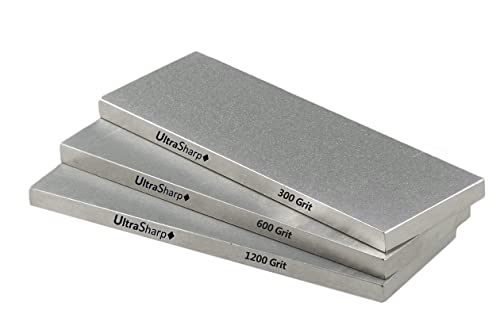
The Best Value We've Seen! 3 stones included.
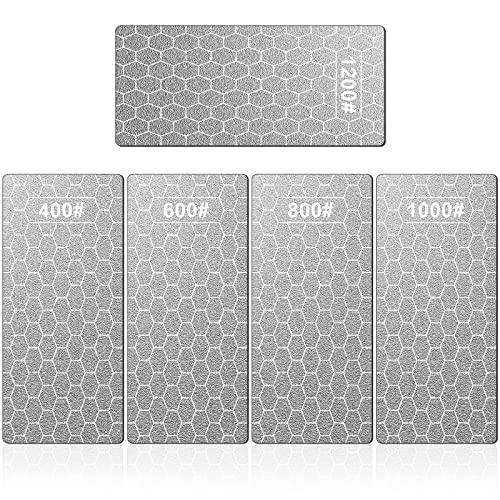
Unique Honeycomb Design:The sharpening stone set with unique honeycomb design ensures that the dust generated during the grinding process will not affect the sharpening. The diamond sharpening stone has a non-slip base to ensure that it will not slip during use and easily tackle both coarse and fine sharpening jobs.
7 Habits That Add Years to Your Diamond Stone’s Life
Regular cleaning is essential to keep your diamond stone in top condition. This prevents metal filings and abrasive sludge from building up on the surface, which can dull its cutting ability and shorten its lifespan. After each use, remove swarf with a nylon brush, and for stubborn residue, use mild cleaners. This helps prevent surface contamination from damaging the diamond coating. A safe approach includes using non-toxic cleaning products to avoid chemical damage to the stone’s bonding matrix. When sharpening high-carbon steels that shed heavily, clean the stone more frequently to maintain optimal performance. For particularly stubborn buildup, a Lansky stone cleaning method using gentle dish soap and warm water effectively restores the surface without harming the diamond grit. Avoid overloading the stone by matching its grit and size to your specific task. Harder steels can wear down the diamond coating faster, so only use the stone for appropriate materials to prevent unnecessary abrasion. Regularly inspect the surface for bald spots or uneven wear; catching these early allows you to retire the stone before forced sharpening accelerates its decline. When trueing a flat surface, use controlled movements to prevent scoring, and rinse thoroughly afterward to remove abrasive debris. These straightforward habits significantly extend your diamond stone’s service life. For instance, adopting a proper cleaning routine similar to the maintenance steps used in crafting Damascus knives can prevent premature diamond wear from abrasive residue.
Use Light Pressure, Water, and Dry Storage
Use light pressure, applying heavy force accelerates abrasive wear and causes uneven damage to the surface. When refining edges or polishing, gentle touches release less diamond dust, allowing the grit to stay effective longer. This results in more consistent sharpening and extends the life of your stone. Using too much pressure is a common beginner mistake that can quickly ruin the surface. For the best sharpening results, choose top picks for quality that feature durable diamond abrasives.
Water is optional but helpful. A light spray or a thin film of water can help flush away metal filings and debris that accumulate during use. Don’t overdo it—just enough to keep the surface moist. After sharpening, wipe the stone dry and allow it to air-dry completely. Moisture left on the surface can lead to rust, damaging the abrasive and shortening the stone’s lifespan.
Proper storage is essential. Keep your diamond stone in a dry, fully dried environment, ideally in a case or wrapped in a cloth to prevent scratches. Storing it dry and protected prevents rust and preserves the integrity of the abrasive surface. Combining gentle pressure, minimal water use, and dry storage ensures your diamond stone remains efficient and effective for years to come.

FAST, Durable and Heavy-Duty: Industrial monocrystalline diamonds are electroplated onto a stainless steel base of 0.35 inch thickness. Up to 5 times faster sharpening than oil stone, water stone

Unique Honeycomb Design:The Diamond Sharpening Stone with unique honeycomb design ensures that the dust generated during the grinding process will not affect the sharpening. The knife sharpening stone set includes dust cover and non-slip rubber pad that can be used as a stone base while sharpening; With Sharpening Angle Guide integrated with 3 universal angles-14°, 17°, 20°.

FAST, Durable and Heavy-Duty: Industrial monocrystalline diamonds are electroplated onto a stainless steel base of 0.33 inch thickness. Up to 5 times faster sharpening than oil stone, water stone
5 Warning Signs Your Diamond Stone Is Dying
Watch for these signs that your diamond stone is fading. Bald spots along the center or edges reveal the bare platen underneath—the diamond coating has worn away, exposing the smooth surface beneath. These areas indicate abrasive wear has stripped the diamond layer completely. You may also see shiny patches that remain even after cleaning; these mirror-like spots show where diamond particles are missing, and the surface no longer feels gritty.
Sharpening will slow down noticeably, and your cuts will take longer than before. You might notice uneven performance, with some spots cutting well while others barely grip the steel, resulting in inconsistent scratch patterns. Another sign is surface damage—scratches, chipping, or smooth bands that no longer effectively abrade steel. If you see dark residue but the surface feels slick rather than rough, it means the abrasive layer is failing. Recognizing these signs early allows you to replace or recondition the stone before it becomes completely ineffective. Just as a dull knife can make kitchen work frustrating, a worn stone compromises the performance of every essential knife style described in the knowledge about choosing the right kitchen knives for every task. This reflects how even premium tools require careful maintenance to avoid the hidden costs of replacing worn tools.
When your diamond stone fails, even the best knife set will underperform, highlighting why quality knife sets with blocks are a wise investment for consistent results.

1)These diamond sharpening stones are made of "Sytools" ,Including 10pcs Grit 80# 200# 400# 500# 600# 800# 1000# 1500# 2000# 3000#

𝐖𝐡𝐲 𝐂𝐡𝐨𝐨𝐬𝐞 𝐃𝐢𝐚𝐦𝐨𝐧𝐝 𝐎𝐯𝐞𝐫 𝐖𝐡𝐞𝐭𝐬𝐭𝐨𝐧𝐞𝐬: Diamond sharpens even the hardest steels, including super steels like CPM-series, M390, and Elmax. Unlike traditional whetstones, diamond sharpening plates stay flat, require no lapping, work dry without mess, and deliver more efficient, consistent results.

Grit Range: Measuring at 23×8×162 mm each, the set comprises six different grits: 180#, 400#, 800#, 1500#, 2000#, and 3000#, covering a wide range of sharpening needs. Whether you're looking to restore a severely dull edge or refine an already sharp one, these stones offer the grit variety necessary for the task at hand.
When to Resurface vs. Replace Your Diamond Stone
If your diamond stone loses its flatness, resurfacing is the proper first step—not replacement. Use a straightedge to check for high spots or uneven wear. If the diamond coating remains intact but the surface isn’t flat, flatten the stone to restore comfort and efficiency. This process also clears clogged swarf, which can slow cutting. A well-leveled stone should maintain a consistent minimum thickness to prevent the board from cracking under pressure.
Replace the stone only if you notice bare patches where the diamond material has fallen off and cannot be corrected through flattening. Also, inspect the substrate for cracks, delamination, or warping. Structural issues like these mean resurfacing won’t fix the problem and the stone should be replaced. Your key indicator is whether the diamond coating is intact and the surface can be leveled; if not, replacement is the safest choice.

Complete Grit Set Low grit to High Grit for Every Sharpening Stage: This 5-piece diamond stone set includes coarse grit to fix serious nicks or reshape a damaged blade edge. Move to 400 and 600 grit for daily edge maintenance. Finish with 1000 and 2000 grit to hone and polish your blade to a razor-sharp edge. No water or expensive oil needed though a few drops of honing oil can improve lubrication for even better results (Set update notice: 200# upgrade to 240#)

【Affordable & Practical Set】The set includes 8 diamond sharpening plates. This 8 grit combination allows customization of the sharpening process to meet speed and smoothness needs.

【Complete Knife Sharpening Stone Kit】You don't need to be a Pro to sharpen your blades, all you need is the right tools & technique. All the sharpening tools you need are here, one affordable set for you: 400/1000 & 3000/8000 grit whetstone; Coarse flattening stone; Non-Slip Bamboo base; Knife sharpening angle guide; Leather strop, a simple instruction manual about how to use and what does every component do.
How to Reach 500+ Sharpening Sessions Per Stone
To extend a single diamond stone beyond 500 sharpening sessions, treat it as a precision instrument rather than a disposable abrasive. The key lies in the material composition of high-quality stones, which resists premature wear when you use gentle pressure and ensure full-surface contact to distribute wear evenly. After each session, rinse the stone thoroughly to manage swarf buildup and scrub it with a nylon brush every 25 uses to remove embedded debris. Lubricate the stone with water or a water-alcohol mix to prevent clogging and surface glaze. For deeper cleaning, apply mild abrasives sparingly and avoid aggressive polishing techniques that can strip diamonds from the surface. Always dry the stone completely before storing it flat and protected from contact with other objects. Maintaining consistent use—light pressure, regular cleaning, and proper storage—is what allows a single stone to last for hundreds of sharpening sessions without losing its cutting efficiency.

Secure Knife Clamp: A multi-angle clamp is included to hold the blade securely, making this Lansky knife sharpener kit simple to use. Keeping a consistent angle with this knife sharpener tool is much easier than with a traditional knife sharpening stone.

Convenience & Durability:Diamond sharpening plates are far more durable and easily to maintain than whetstones because they won't be cratered and do not need to be flattened

Diamond Wet Stone Sharpening Kit: Designed to fit easily into any pocket, these lightweight diamond stones come color-coded for easy identification
