
Ever wonder what your plastic cutting board is really made of? The right material can impact how long it lasts, how easy it is to clean, and how gentle it is on your knives. Most boards are crafted from high-density polyethylene, polypropylene, or low-density polyethylene mats, each with its own benefits.
Keep reading to discover how different plastics influence your kitchen tools.
HDPE: The Workhorse of Plastic Cutting Boards
HDPE is the plastic most commonly used in commercial kitchen cutting boards due to its impressive durability. Its high impact resistance and flexural modulus of around 200,000 psi enable it to withstand heavy chopping without cracking or chipping. With a tensile strength exceeding 4,100 psi and over 600% elongation at break, HDPE can flex and bend without breaking, extending its lifespan. It is non-porous, absorbing less than 0.01% water, which helps prevent odor retention and residue buildup. HDPE also resists common kitchen acids, making sanitizing quick and effective. However, knife marks tend to accumulate over time, and deep scoring may require replacing the board to ensure hygiene. For long-term value, pairing this board with a top knife set with block can reduce wear by ensuring optimal blade sharpness. To safely address any stray cooking oil that may seep into surface scratches, simply use a baking soda paste to lift the grease without damaging the plastic. Did you know HDPE is recyclable as #2 plastic? This means you can enjoy its long service life while feeling responsible about disposal. For those prioritizing cutting performance and edge retention, this material’s moderate softness actually helps preserve blade sharpness longer than harder surfaces like glass or stone.

QUALITY MATERIALS: This cutting board is made of polypropylene plastic. The poly material is non absorbent, nonporous, and will not harbor stains. It is gentle on knives, keeping their blades from getting dull quicker

LARGE CUTTING BOARD - Measuring 18 x 12 x 1/2 inches, our professional cutting boards are large enough to cut and chop meals for the family, but small enough to fit in dishwashers, cabinets and drawers. Boards weigh 3 pounds and resist slipping on most surfaces.

ULTRA DURABLE STRENGTH: 3rd Party Tested for durability, thick cutting boards have a nonporous surface that won’t splinter or peel, unlike wood cutting boards or a bamboo cutting board; deep grooves help catch messy juices while our strong design is built to last in your home to handle tough messes
Polypropylene: A Popular Plastic Cutting Board Alternative
Polypropylene (PP) is a durable plastic that makes a practical choice for cutting boards. It features a hard, non-porous surface that resists liquids, stains, and odors from common acidic foods like citrus and tomatoes. This resistance helps maintain hygiene and prevents cross-contamination over time.
PP is also BPA-free, phthalate-free, and approved by the FDA for direct contact with food, ensuring a safe surface for prep work. Its chemical inertness allows it to handle heat up to 248°F, making it more resistant to warping than softer plastics. However, repeated exposure to high-heat dishwasher cycles can cause surface wear, so hand washing or gentle cleaning is recommended. Unlike wood boards that require regular treatment with cutting board wax or oil for maintenance, polypropylene requires no such conditioning. For those who prefer to condition other materials, a fractionated coconut oil can be used on wood surfaces without going rancid. Lightweight and easy to scrub, polypropylene offers a practical, everyday solution for those who want a reliable, food-safe cutting surface. When using a polypropylene board, a chef knife will glide smoothly without dulling the blade as quickly as harder surfaces might.

KITCHEN ESSENTIAL: This versatile cutting board is perfect for everyday use, ideal for cutting, slicing, and chopping a variety of meats, poultry, fruits, and vegetables.

THREE SIZES FOR EVERY TASK: Set includes three versatile polypropylene cutting boards sized 8.5 x 11 inch, 9 x 13 inch, and 11 x 16 inch; ideal for meal prep, chopping vegetables, slicing meat, and everyday kitchen use

Large 10.39-in x 14.78-in Utility Cutting Board is ideal for big meals
LDPE and Flexible Mats: Soft Plastic Cutting Board Options
LDPE (low-density polyethylene) mats are a softer, more flexible choice compared to rigid plastic boards. They provide excellent knife friendliness, which means your blades stay sharper longer and dull less quickly. This flexibility makes them easy to handle—simply bend the mat to funnel ingredients directly into pots or pans, reducing mess and spill risk during prep.
These mats have non-porous surfaces that resist stains, odors, and bacteria when cleaned properly. Many LDPE mats are dishwasher safe, simplifying cleanup after use. However, be aware that they tend to show knife marks more quickly than harder plastics and are not suitable for high heat or heavy commercial use.
LDPE mats are ideal for light to moderate food prep, especially if you use color-coded systems to keep ingredients separated. Their low cost and portability make them a practical choice for home cooks who need quick, versatile, and easy-to-clean cutting surfaces.

VALUE PACK – Includes 6 flexible mats (12” x 15”)

FLEXIBLE - can be bent or funneled to help unload chopped ingredients into waiting pots and pans.
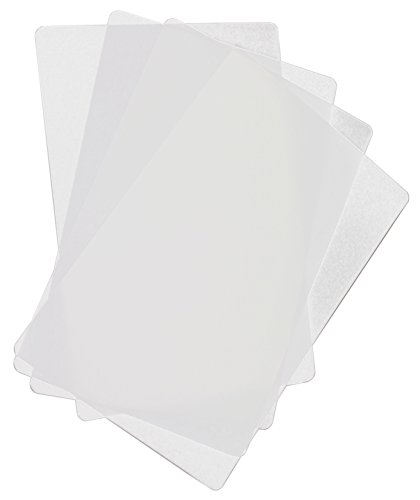
MADE IN THE USA- Cut N’ Funnel Flexible Cutting Mats are made in our Florida facility. Constructed of durable premium quality BPA & PVC free plastic. Each Cutting Board Mat purchase supports hard-working American families and local communities.
Polycarbonate and Composites: Less Common Plastic Cutting Board Materials
Polycarbonate boards are rigid, clear, and highly impact-resistant, but their hardness can dull your blades faster. When considering polycarbonate safety, you must verify BPA-free labeling and genuine food-grade specifications, as resin code number 7 does not guarantee safety. These boards resist deep cuts, making damage more visible over time. Additionally, the material is constructed from food-grade polycarbonate, a durable and safe plastic also used in baby bottles and space helmets.
Which Material Traits Actually Matter for Plastic Cutting Boards?
Material traits that actually matter for plastic cutting boards include water absorption, surface texture, heat resistance, chemical resistance, density, and color options. Water absorption should be near zero, as with HDPE, to prevent swelling and odor retention, which simplifies cleaning. For those concerned with longevity, food safe wood finishes provide a renewable protective layer on natural boards, though they require more maintenance than plastic. Surface hardness, measured by Shore D scale (64–70), affects resistance to deep gouges—harder surfaces resist cuts better but may dull knives faster. Heat resistance is crucial if you plan to wash the board in a dishwasher; polypropylene can handle higher temperatures than HDPE without warping. Chemical resistance helps the board withstand acids and detergents, reducing staining and breakdown over time. A density around 0.95 g/cm³ strikes a good balance between rigidity and portability. Lastly, color choices are practical: darker shades conceal residues and stains, whereas lighter colors make it easier to spot contaminants, informing your sanitation routine. For a contrasting perspective on knife-friendly materials, some craftsmen prioritize damascus steel knives for their edge retention and aesthetic layers, though this choice favors performance over board preservation. Similarly, when assessing protective gear, gloves made from cut resistant materials offer superior safety against blade contact, but they must be balanced against dexterity and comfort in kitchen tasks.

Commercial-Grade – Made from high-density plastic material that won’t crack, warp or rot ideal for daily use in restaurants and commercial kitchens

Versatile 2-piece set: Includes one 7.25 x 10.75 inch Prep Board and one 9 x 12.9 inch Everyday Cutting Board, perfect for slicing, dicing and daily kitchen prep

【ALL IN ONE SET】Our cutting boards of various sizes can improve your efficiency in the kitchen. Extra large size:17.0*11.8*0.4 inch; Large size:14.0*9.5*0.35 inch; Medium size:11.4*7.8*0.35 inch. Each size is designed for a type of food and can be cut separately. Perfect for multiple meals or all day use.
How to Choose the Right Plastic Cutting Board for Your Kitchen
Choose a plastic cutting board that fits your budget, but keep in mind that thicker boards tend to cost more initially. They are often more durable and resistant to deep cuts, which means they may save you money over time since you’ll need to replace them less often. For guidance on optimal thickness, note that charcuterie boards are typically about ¾ inch thick to balance stability and weight. Pay attention to features like juice grooves, which catch liquids and prevent spills on your countertop, and non-slip grips that add safety and stability during use. For similar reasons, sharpening stones made from Arkansas novaculite offer a very hard and consistent surface for precise edge maintenance. Regularly inspect your board; once it develops deep gouges that harbor bacteria or become difficult to clean, it’s time to replace it to maintain a safe and hygienic kitchen environment.

14.34-in x 21.11-in Carving & Cutting Board holds roasts and poultry

12.8” x 8.8” x 0.4”in Everyday Cutting Board is ideal for simple recipes

EXTRA LARGE 18 INCH PREP SPACE: At 18 x 12 inches, this large plastic cutting board gives you room to spread out whole chickens, roasts, and big batches of veggies without crowding. One board handles meat, vegetables, fruit, and meal prep instead of juggling small ones
