Wondering if you can use coconut oil on your cutting board? You can, but it’s not the best long-term solution. While it might seem like a natural option, it quickly goes rancid and doesn’t protect the wood as well as mineral oil.
Keep reading to find out what really works to keep your cutting board safe and in good shape.
What Makes Coconut Oil Different From a Real Board Oil?
Coconut oil differs from a real board oil mainly in its stability and shelf life. While coconut oil is a fat that can oxidize over time, it can turn rancid inside your board’s pores, leading to off odors and an unpleasant residue. This makes it less suitable for long-term application on cutting boards. In contrast, mineral oil is tasteless, odorless, and resistant to spoilage, offering much better stability. Choosing mineral oil means your board remains protected without risking the development of mold, bad smells, or sticky residues. For a more comprehensive approach, consider pairing mineral oil with Top Knife Sets With Blocks to ensure both your cutting board and knives are well-maintained. Unlike ceramic stones, which can wear down unevenly, diamond sharpening stones maintain a consistent abrasive surface for years. When selecting a board, remember that bamboo boards are generally considered safe if finished with food-safe oil rather than harsh sealants.
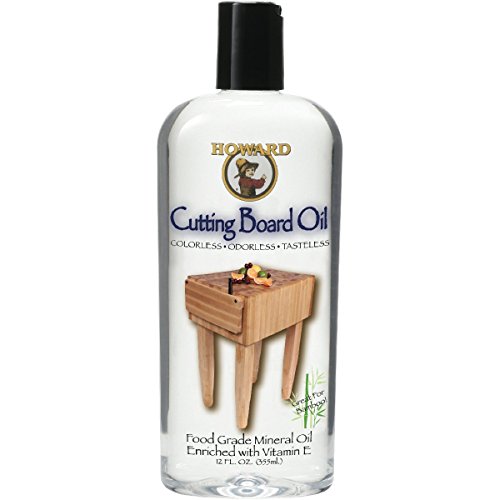
Cutting Board Oil is a deep penetrating 100% Pure USP Food Grade Mineral Oil that is tasteless, odorless, colorless, and will never go rancid

FOOD-GRADE MINERAL OIL FOR CUTTING BOARDS: Helps restore and protect dry cutting boards, butcher blocks, and wooden kitchen surfaces. Refreshes dull, worn wood and helps prevent cracking or splitting; works on bamboo, teak, acacia, olive wood, and hardwood boards

Revitalizing blend prevents drying and cracking of hardwoods and bamboo
The Short Answer: Safe Only as a Temporary Fix
Coconut oil can be used temporarily on a wood board, but it’s not recommended for long-term maintenance. Applying a thin layer of refined coconut oil when your board is dry can help in a pinch if you lack proper board oil. However, because coconut oil has a short shelf life and tends to turn rancid quickly, it’s only a short-term fix. Warm kitchens and sunlight speed up spoilage, leaving your board with unpleasant odors and flavors after a few months. For serious kitchen tools, you should consider using dedicated sharpening stones for blades, as they are designed for durable, long-term performance. Proper care also extends to steak knife placement in a table setting, ensuring your tools are both functional and well-maintained. A good rule of thumb is to oil your board monthly or whenever the wood looks pale or feels dry, but coconut oil won’t hold up to that maintenance schedule.
Rancidity risks make coconut oil unsuitable for sustained protection. It isn’t stable enough to provide durable, lasting conditioning. Instead, treat it as a temporary measure, and switch to mineral oil or a dedicated board conditioner as soon as possible. If you notice an old-fat smell or the board begins to smell musty, clean and recondition immediately with proper products to maintain your board’s integrity. Coconut oil works briefly, but it cannot replace proper, long-term treatments.
How to Apply Coconut Oil Safely (If You Must)
To apply coconut oil safely on your cutting board, start with a completely dry surface. Wash the board with warm water and mild soap, then let it air-dry fully—moisture trapped in the wood blocks the oil from penetrating properly. Before applying the oil, carefully wipe away any food particles and clean out knife grooves to ensure even coverage. Additionally, consider using cut resistant gloves while cleaning deep knife grooves to protect your hands from accidental slips.
Use a small amount of food-grade coconut oil—preferably refined or fractionated, since they’re more stable. Apply a thin, controlled layer using a clean cloth, rubbing the oil into the wood grain and covering all surfaces including the tops, sides, and juice grooves. The best carving sets feature long, slender blades that require a sharp, precise edge to glide smoothly, but you are simply seasoning wood rather than slicing meat. Keep the layer light to prevent sticky buildup. Any visible excess should be wiped off immediately to avoid a greasy or tacky finish. Note that for optimal results, you should first forge and grind the steel as part of the knife-making process.
Allow the oil to absorb into the wood for four to six hours or overnight. After this period, buff the surface with a clean cloth to remove all remaining residue. This step ensures a smooth and well-protected finish that won’t transfer oil to food during use. Reapply about once a month or whenever the board looks dry, but stop immediately if the surface becomes sticky or emits a strange smell. In that case, switch to a mineral oil conditioner designed specifically for cutting boards.

One 15-fluid-ounce container of Organic Refined Coconut Oil
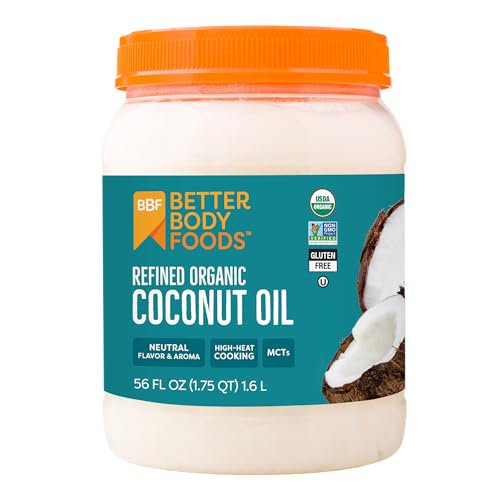
Boost your energy: BetterBody Foods Refined Organic Coconut Oil contains roughly 60% energy-driving Medium Chain Triglycerides (MCTs). These MCTs help to boost your energy levels

Boost your energy: BetterBody Foods Refined Organic Coconut Oil contains roughly 60% energy-driving Medium Chain Triglycerides (MCTs). These MCTs help to boost your energy levels
Signs Your Board Needs More Coconut Oil (and When to Stop)
A board needs more coconut oil when it shows signs of dryness and dullness. Look for a pale, chalky, or gray appearance, as these colors indicate the wood grain is parched. Run your hand across the surface; if it feels rough or fuzzy, the wood is drying out. Perform the water test by placing a drop on the board—if it soaks in within 30 seconds, your oil penetration is weakening. You should stop oiling once the board appears evenly colored, feels smooth, and water beads again. Over-application is indicated by greasy or sticky feeling, meaning you’ve oversaturated the surface. The best time to apply more oil is when the wood grain has regained its warm, uniform shine. For lasting protection, high-quality mineral oil is often recommended as a more shelf-stable alternative to coconut oil. To ensure your cutting board remains in top condition, consider pairing it with a high-quality cutlery set for the best food preparation experience. Using the right cheese knives for charcuterie boards can also help maintain the wood’s surface by minimizing scratches. Rely on these cues instead of a set schedule to maintain a healthy, well-moisturized board.

PREMIUM FOOD GRADE CARE – CLARK’S fractionated coconut oil is an organic fractionated coconut oil made from pure MCT coconut oil. This food safe wood oil formula is plant-based, and free from additives or preservatives.

EXQUISITELY MATCHED - CLARK’S Coconut food grade mineral oil and beeswax wood cutting board conditioner are designed to work in harmony. Experience the perfect pairing of wax and mineral oil for cutting board products as a set!

Food Grade Cutting Board Oil : Organic & Coconut-Derived : Made from 100% organic fractionated coconut oil. A pure, food-grade conditioning oil formulated specifically for cutting boards, butcher blocks, and bamboo kitchen tools.
What Happens When Coconut Oil Goes Bad on Your Board?
When coconut oil on your cutting board goes bad, it will develop a rancid smell or sour odor. Warm kitchens accelerate this process by increasing oxidation, which breaks down the fats in the oil. You’ll also notice surface discoloration, such as yellowing or dark spots, making the wood look blotchy and uneven. A sticky film may form on the surface, trapping crumbs and moisture, which can lead to bacteria growth. For long-term board care, premium Japanese knives require a stable, non-greasy conditioning surface to maintain their edge performance. Wood cutting boards are safe when maintained with stable oils, but rancid coconut oil can compromise food safety.
Spoiled coconut oil can transfer off-flavors to your food and compromise the cleanliness of your board. When the oil has gone bad, the board feels greasy and no longer has a conditioned, smooth feel. Ignoring these signs can lead to unhealthy buildup, as compromised oil isn’t stable or safe for food contact anymore. To remedy this, remove the old oil layer with a scrub and reapply a more stable, food-safe conditioner. Regular maintenance and timely replacement help prevent these issues and keep your board in optimal condition.
How to Remove Sticky Coconut Oil Buildup
To remove sticky coconut oil buildup from your cutting board, start with the gentlest approach. First, wipe the surface with a dry microfiber cloth to lift any excess oil. Then, wash the affected area with warm water and a small amount of mild dish soap, using a soft sponge. Be sure to dry the surface immediately afterward to prevent water damage and protect the wood grain. For more stubborn residues, sprinkle coarse salt directly onto the sticky spot and gently rub it with a lemon half or a soft cloth. The salt acts as a mild abrasive that helps lift the oil without harming the wood. If this doesn’t do the trick, create a paste by mixing baking soda with a little water. Apply the paste to the area and scrub in circular motions. Rinse thoroughly with warm water and dry completely. To help loosen any remaining buildup, apply a thin layer of fresh oil and wipe it off before it can set. After cleaning, allow the board to dry fully. Over-oiling, a common issue discussed in the pros and cons of board care, can lead to rancid smells and sticky surfaces. Regular, controlled oiling prevents future buildup by keeping the wood sealed; apply oil sparingly and buff until the surface feels smooth and non-slick. For storing your board, consider using a top knife holder that keeps your tools organized and accessible. Just as a sharpening angle balances edge sharpness and durability for fillet knives, proper oiling balances moisture protection and a non-sticky finish for your board.
Why Is Food-Grade Mineral Oil the Safer Long-Term Bet?
Food-grade mineral oil is the safer long-term choice because it remains stable and does not go rancid. Unlike coconut oil, which oxidizes and produces unpleasant smells and sticky residues as it spoils, mineral oil stays tasteless and odorless over time. It penetrates deeply into wood fibers, providing effective protection without forming a hard film that could trap residues. This means you can reapply it based on wear rather than waiting for spoilage signs. Using mineral oil reduces the need to strip or clean your board frequently, minimizing potential issues related to rancidity and deterioration. Overall, its durability and safety for food contact make it the better option for long-term care of wooden surfaces. This oil restores faded colors and smoothens rough, pale areas by penetrating the wood grain.

NSF CERTIFIED FOOD GRADE - This premium mineral oil is NSF certified and lab-tested to meet the strictest food safety standards. Colorless, odorless, tasteless, and gluten-free — perfect for cutting boards, butcher blocks, and all food-contact surfaces.

FOOD GRADE MINERAL OIL: Our mineral oil oil is lab tested to meet strict food safety standards. Clark's wood cutting board oil is not colorless, providing deep nourishment while keeping your wood cutting boards and kitchen surfaces protected.

FOOD GRADE QUALITY: Premium mineral oil designed for direct and indirect food contact, meeting U.S. FDA regulations and USP standards for maximum safety
Three Kitchen Scenarios Where Coconut Oil Works
While coconut oil is not ideal for long-term preservation of cutting boards, it can be useful in a few low-stakes situations. First, use it as a quick fix for a dry board—apply a thin layer to serve as a temporary moisture barrier if you don’t have proper conditioners available. After about 20 to 30 minutes, wipe off any excess to prevent tackiness. This approach works well on bamboo boards, which can dull knives more quickly than wood when dry. For any board stored near a knife block, always prioritize safe edge protection to avoid accidental cuts during handling. Second, if you only use your serving board once or twice a month, refined coconut oil can tolerate light application, especially when stored in cooler conditions. Reapply only when the wood looks dry or parched. Third, for a rapid conditioning routine, spread a very thin coat of coconut oil over the dry board, let it sit overnight to absorb, then wipe away any residual sheen. Keep in mind that coconut oil alternatives, like mineral oil or beeswax, typically provide better long-term protection, so use coconut oil only for temporary fixes or emergencies. For a serving board used in entertaining, understanding perfect pairings can help you choose complementary foods that enhance the visual appeal and functionality of the board.
Switching to a Dedicated Conditioner: The Next Step
Switching to a dedicated conditioner is the best move for maintaining your board’s quality. These formulations are specifically designed for unsealed wood, unlike coconut oil. Food-grade mineral oil penetrates deeply into the wood grain to help protect against moisture loss, while beeswax forms a stable barrier to liquids and dryness. You won’t have to worry about spoilage, which can happen with cooking oils.
Apply the conditioner generously to a clean, dry board, making sure to include the edges and bottom. Allow it to absorb for several hours or overnight, then buff away any remaining residue until the surface feels smooth and not sticky. New boards may require multiple sessions to reach optimal conditioning. To keep your board in top shape, reapply the conditioner once a month as part of your regular maintenance routine. This proven process helps preserve your board’s structure and ensures it continues to perform beautifully in your kitchen.

NSF CERTIFIED FOOD GRADE - This premium mineral oil is NSF certified and lab-tested to meet the strictest food safety standards. Colorless, odorless, tasteless, and gluten-free — perfect for cutting boards, butcher blocks, and all food-contact surfaces.
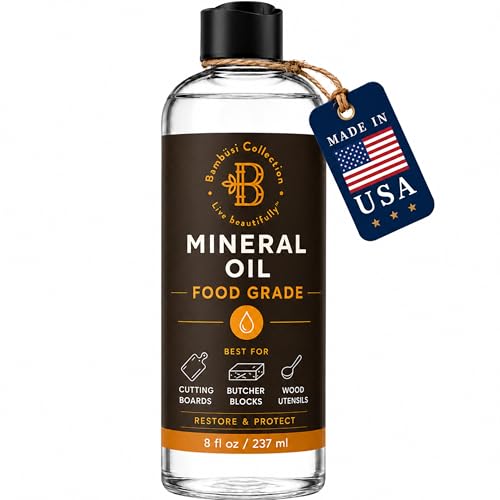
FOOD GRADE MINERAL OIL: This clear, odorless and tasteless white mineral oil is food safe and made for kitchen wood and food-contact surfaces. It soaks into dry cutting boards and butcher blocks to condition the wood without adding fragrance, flavor or unwanted residue

REVITALIZING FORMULA BLEND prevents drying and cracking of hardwoods and bamboo. Great for restaurant cutting boards, great for home kitchens even chef cutting boards. This is the safest conditioner and will rejuvenate and revitalizes cutting boards. Great size for restaurants and industrial kitchens.