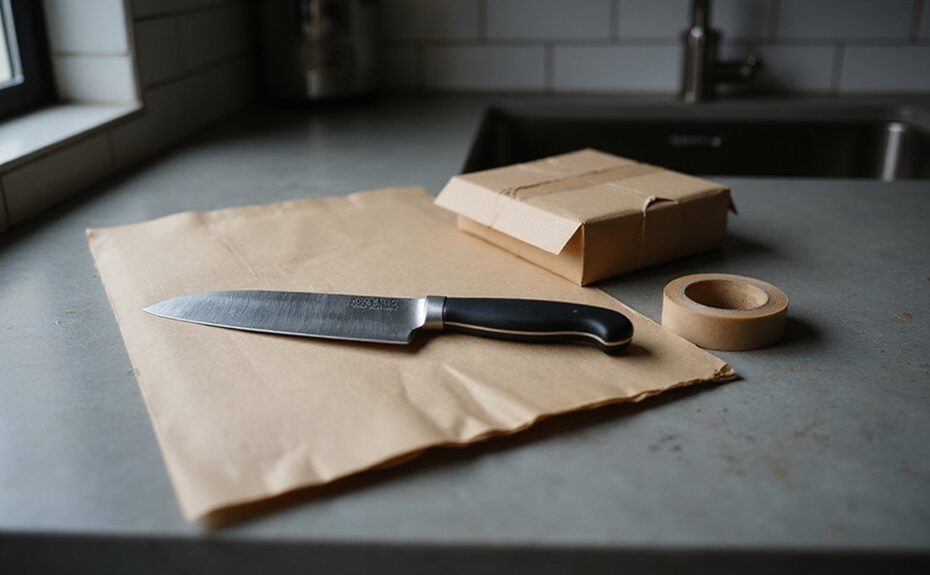
Losing track of how to dispose of kitchen knives safely can be a real worry, especially when you want to avoid injuring yourself or others. Proper disposal isn’t just throwing them in the trash—that’s dangerous for waste handlers and yourself.
By wrapping and labeling knives correctly and exploring local disposal options, you can manage this tricky task responsibly.
Keep reading to learn exactly how to do it the right way.
Why Tossing Loose Knives in the Trash Is Dangerous
Tossing a loose knife into the trash is dangerous because it creates a significant safety hazard for everyone handling your waste. Even a dull blade can puncture plastic trash bags, exposing you, children, or sanitation workers to cuts. When the bag is compressed or lifted, that loose knife can shift unpredictably, increasing the risk of accidental injury. Reaching into the trash for something you dropped or overlooked heightens the danger of deep lacerations. Properly disposing of knives ensures they stay secure and hidden, preventing potential injuries and keeping your home and waste facilities safe from sharp hazards. For those who maintain their blades, learning to use Japanese sharpening stones for final honing can extend knife life and reduce waste. Investing in a quality knife set with a block provides a secure storage solution that eliminates the need to dispose of loose blades in the first place. Using a magnetic knife strip or a countertop block can also keep blades organized and safe between uses.
Wrap and Immobilize the Blade Before Anything Else
Wrap and immobilize the blade before handling or disposing of the knife. Use sturdy wrapping materials, such as thick cardboard, to create a hard outer barrier. Make the cardboard larger than the blade, fold it around the knife so the entire blade is covered, and ensure that no metal edges are exposed. For extra cushioning, add layers of bubble wrap or newspaper, making sure the blade stays fully enclosed. To immobilize the blade, tape it securely between layers of cardboard so it cannot shift or slide out. Avoid cloth, as it can unravel or unfold over time. Seal all seams and corners tightly with packing tape or duct tape, creating a rigid bundle that won’t flex or puncture. Keep the handle visible if needed, but the blade must stay fixed and completely enclosed for safety. The goal is a sturdy, puncture-proof package that can be safely disposed of or stored. When wrapping for disposal, consider that even a dull blade can be dangerous, so final sharpening with a quality stropping compound can ensure the edge is prepared for safe storage. This same principle of secure containment also applies when storing sharp tools on a durable serving surface to prevent accidental contact during entertaining. For those who maintain their knives frequently, a similar level of protection can be found in compact sharpening stones that are designed for safe portable use.

COZZINI CUTLERY IMPORTS - Always high quality, Dependable parts for the Professional Meat Cutting Industry and Professional Kitchens
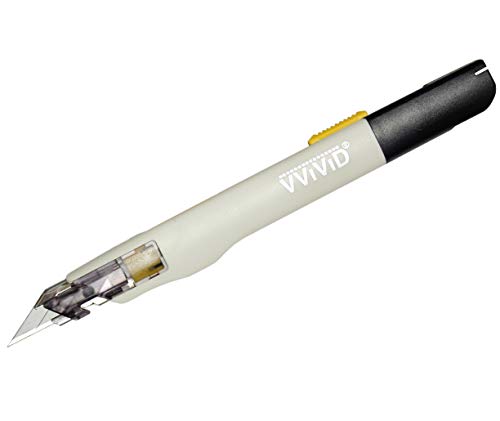
30 degree blade features a unique transparent anti-sway, anti-vibration guard and auto-lock slide system, ensuring the blade won’t slide or slip while cutting.

COZZINI CUTLERY IMPORTS - Always high quality, Dependable parts for the Professional Meat Cutting Industry and Professional Kitchens
How to Dispose of Knives in Household Trash Safely
Wrap the blade securely in thick paper, cardboard, or duct tape to immobilize it completely. Then, place the wrapped knife inside a sturdy cardboard or plastic container, such as a box or an empty bottle with a tight-fitting lid. Seal the container tightly with tape or any adhesive to prevent the knife from shifting or slipping out during handling. Clearly label the outside with “Sharp Blade” or “Needle, Blades” to alert sanitation workers of the hazard. Position the package at the top of your trash bin where it is easily visible, avoiding tossing it loose to prevent punctures or injuries. Always wear heavy-duty gloves when handling old knives to prevent accidental cuts during the preparation process. For maximum safety during this step, consider using top cut-resistant gloves for reliable hand protection. For knives that are still in good condition, consider donating them to a hunting or outdoor enthusiast who might appreciate top knives for skinning deer. If you are replacing an old knife with a new one, research premium Japanese knife brands to make a safer, higher-quality investment that reduces future disposal needs. Keep the container out of reach of children, pets, and anyone who might come into contact with it until trash pickup occurs. Proper containment and labeling are essential to ensure safe disposal and protect those handling your waste.

Heavy-Duty 10Mil Nitrile Gloves: anboson Thick nitrile gloves heavy duty Made with tear/puncture-resistant nitrile for superior chemical oil protection suitable for mechanical and industrial use as premium latex-free disposable gloves

HEAVY-DUTY: Our 6-mil thick nitrile gloves are more chemical-resistant & puncture-resistant than latex gloves and vinyl gloves, providing enhanced hand protection against chemicals, liquids, greases, & sharp objects.
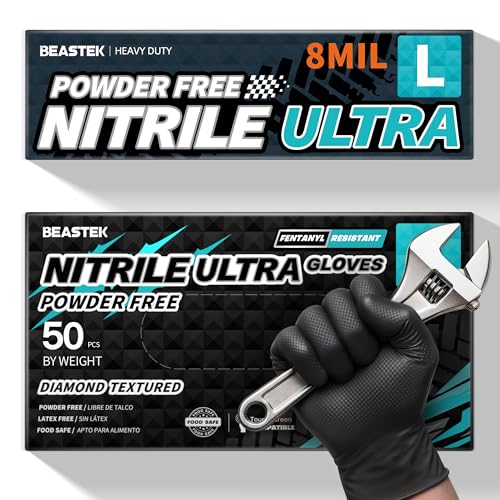
8‑Mil Heavy‑Duty Protection – More than twice the thickness of standard exam gloves, our engineered nitrile delivers outstanding puncture, tear & chemical resistance against oils, solvents and gasoline—ideal for tasks where failure is not an option.
Recycling Knives: Check Local Scrap Metal Rules First
Always check your local scrap metal rules before recycling knives. Rules differ widely depending on your council or transfer station. Some facilities accept kitchen knives in a scrap metal container, but others reject sharp items for safety reasons. Confirm whether knives are accepted and learn any required preparation steps before you go. The condition of your knife also influences whether it can be recycled; even broken or rusted blades may qualify if the metal can be recovered at the facility. To prepare your knife safely, cover the blade and tip with thick tape or cardboard and wrap it securely. Use a rigid, closable container if required by the facility. When instructed, label the package as sharp. Some facilities may ask you to remove non-metal parts first. If recycling isn’t an option, secure disposal in general waste remains a fallback. The choice between knife types, such as a nakiri vs usuba, affects blade geometry but not disposal procedures. After disposal, consider maintaining your new knives with a high-quality cutting board wax to prolong their life and cutting surface. Always follow on-site instructions from staff to ensure proper handling. For durable kitchen surfaces, consider how epoxy cutting boards are crafted to resist deep scratches that can dull blades over time.

Safe, Precise Cutting: Designed with a sturdy metal protective guard to precisely guide the high-quality, sharp blade, keeping both workers and expensive box content safe from harm, all while improving improving speed and efficiency. This uniquely-structured steel guard will not flex, bend, or break like other cutters and serves as a guide for executing the perfect cut every time, no matter who is doing the cutting

Safe, Precise Cutting - Designed With A Sturdy Metal Protective Guard To Precisely Guide The High-Quality, Sharp Blade, Keeping Both Workers And Expensive Box Content Safe From Harm, All While Improving Speed And Efficiency. This Uniquely-Structured Steel Guard Will Not Flex, Bend, Or Break Like Other Cutters And Serves As A Guide For Executing The Perfect Cut Every Time, No Matter Who Is Doing The Cutting

Westcott Ceramic Safety Cutter: This full-size safety cutter is designed to cut through the largest of boxes and allows you to open boxes with ease
Donate Only Usable Knives: Call Ahead to Confirm Acceptance
If recycling isn’t an option, donation of knives is only possible if the blades are in usable condition. Broken, rusty, or damaged knives do not meet donor requirements. Only donate clean, functional kitchen knives that can still be used safely. You must call ahead to confirm acceptance, as rules differ between thrift stores and charities. Some accept standard kitchen knives but refuse weapon-like blades or any sharp objects. Others may reject all sharp tools altogether. Safety is a key concern—unexpected drop-offs can pose hazards for staff. When you call, ask about condition standards, packaging instructions, and drop-off procedures. Making a quick phone inquiry helps prevent wasted trips and ensures the organization is prepared to accept your donation safely. If they are unable to accept your knives, try contacting another location. For example, a properly cared-for blade made using a layered steel composition can be a suitable donation item if it remains functional.

Standard Size and Quantity: this set includes 50 paper knife sleeves, each measuring 9 inches in length and 1 inch in width; The specified dimensions provide a fit for compatible blades, aiding in organized storage; This quantity suits repeated use or managing multiple knives efficiently


KEEP KNIVES OR OTHER ITEMS ORGANIZED & SAFE. COMES WITH COMBINATION LOCK INSTALLED, BUT A KEY LOCK IS INCLUDED AS WELL FOR YOUR CHOICE.
Transport Knives to a Disposal Center Without Risk
To transport knives safely to a disposal center, you must securely package each blade to prevent injury. Wrap each knife individually in sturdy cardboard or thick paper, then secure the wrapping with strong tape so that no sharp edges are exposed. Using rigid packaging materials like bubble wrap can provide extra protection and prevent the blades from poking through. Place each wrapped knife into a durable, closable box—never just a loose plastic bag. Clearly label the box as containing sharp objects to alert waste staff. Keep the package upright and stable during transit, avoiding any sliding around in your vehicle. Drive directly to the disposal site without unnecessary stops, and follow any site-specific instructions for knife disposal. Properly secured blades reduce the risk of injury to yourself and waste handlers during the entire process.

[MADE IN JAPAN FOR CLEAN, EFFICIENT BOX OPENING] This 7.5" Japanese corrugated cardboard cutter features a 3" double-serrated stainless steel blade with a nonstick coating to help reduce adhesive buildup during use.

High Quality: The blade material is high-strength SK5. The blade can stay sharp for a long time and resists bending. It cuts paper, rope, leather, soft plastics, water pipes, and more. Reinforced nylon injection molding makes its pink handle more enduring. The non-slip handle is ergonomic and comfortable to use

Patented radius-tip blade with three blade depth settings to accommodate various box sizes