Cleaning your Damascus steel knife properly is key to keeping its beautiful pattern intact and preventing damage.
The right approach involves gentle hand washing, careful drying, and proper oiling to protect against rust.
In this guide, you’ll learn exactly how to care for your knife without harming its etched surface or compromising its sharpness.
Keep reading to see the simple steps that will keep your blade looking flawless.
Why You Should Never Scrub Your Damascus Steel Knife Like a Frying Pan?
Damascus steel knives should never be scrubbed like a frying pan. The etched pattern that gives them their distinctive look depends on a delicate surface finish. Using abrasive sponges or steel wool strips away this pattern by eroding the etched layers. Harsh scrubbing also risks scratching the metal, which damages both the appearance and the integrity of your blade. Over time, aggressive cleaning can dull the edge and fail to address trapped moisture at the handle. For effective maintenance, use a soft cloth or sponge with mild soap, wiping along the blade without applying excessive pressure. This gentle approach preserves the knife’s intricate design and ensures it performs optimally. For those considering a purchase, top-rated models are often reviewed on quality and performance to help buyers choose. Additionally, similar abrasive wear from rough surfaces occurs when you slice on glass cutting boards, which can also dull a knife’s edge over repeated use. Chef Ramsay’s top picks emphasize that a quality chef’s knife is essential for professional performance and longevity.

Clean sharp blades safely

Safety Cleaning: This double-sided cutlery cleaner makes the cleaning of knives, tableware and forks easier and safer. U-shaped design, to ensure safety, but also has a higher cleaning efficiency, better than sponge.
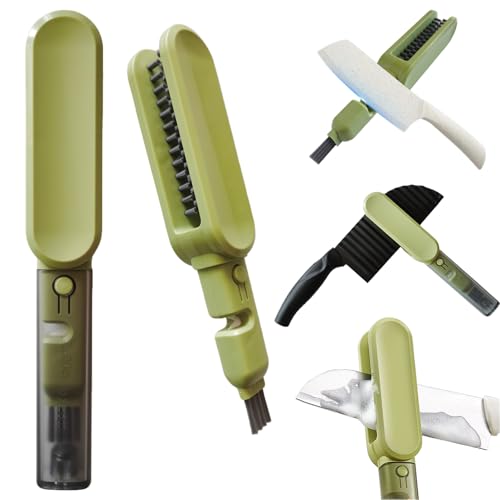
【Multifunctional Kitchen Knife Brush】You can use the kitchen utensil as knife blade brush for different knife blade cleaning. It has another two functions of knife sharpener and gap cleaning brush, hidden in the lid.
How to Wash Your Damascus Steel Knife by Hand Without Damage
To wash your Damascus steel knife by hand without causing damage, start by rinsing it under warm running water immediately after use. This helps prevent food residue from drying on the blade. Always point the blade away from your body for safety. Next, apply a small amount of mild dish soap to a soft sponge or cloth—avoid abrasive pads that can scratch the surface. Gently wipe from the spine to the edge, lifting debris without scrubbing hard, which protects the delicate layered steel. Pay extra attention to the area where the handle meets the blade, as residue can hide there. Rinse all soap off thoroughly under running water to ensure no soap remains. Keep water contact brief; do not let the knife soak, as prolonged exposure can harm the pattern. Instead, wash swiftly and carefully to preserve the etched finish and overall integrity of the blade. Using a sunshine polishing cloth afterwards restores brightness without scratching the surface, maintaining the knife’s appearance and contrast. For consistent performance over time, it is essential to choose a top rated utility knife from reputable brands that prioritize blade craftsmanship. Many premium knife sets include blocks that offer safe storage and quick access, which helps protect the Damascus pattern from accidental damage when not in use. Using the appropriate chef’s knife for heavy chopping tasks further prevents unnecessary stress on a Damascus utility blade.

ONE SCRUBBING DISHWAND: One package of Scotch-Brite Soap Control Dishwand; one pack contains one scrubbing wand.

No-leak, no-mess soap dispensing

SIX SCRUBBING SPONGES: This pack of Scotch-Brite Odor Resist Non-Scratch Scrub Sponges includes 1 pack of six sponges.
The Right Way to Dry and Store Your Damascus Steel Knife
After washing your Damascus steel knife, drying it immediately and completely is essential. Use a clean, lint-free microfiber cloth to gently pat the blade dry—never air dry, as moisture can linger and lead to rust. Ensure you dry the entire blade, including the spine, heel, and choil, as well as where the blade meets the handle, since moisture often hides in these crevices. Dry the handle thoroughly as well. To confirm all moisture is gone, briefly blow air across the surface. Leaving dampness behind can cause rust spots on the reactive Damascus layers, so attention to detail is crucial during this step. A rotary cheese grater similarly demands careful drying to prevent corrosion on its metal components. For best results, consider using a top scissor sharpener to maintain an ideal edge after cleaning. Investing in a quality set often includes a proper storage block that protects the blade during downtime, so pair your routine with a durable knife block for added protection.
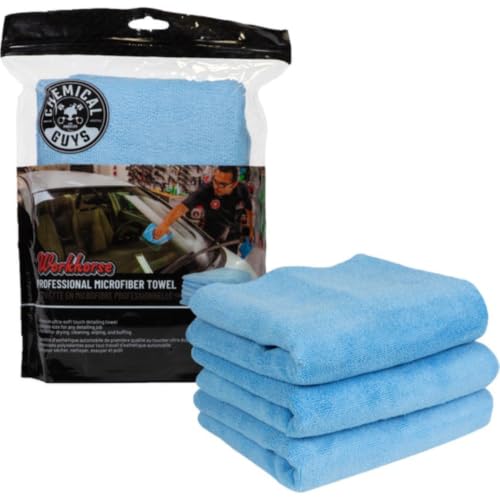
YOUR GO-TO TOWEL - Premium Workhorse Microfiber towels are the professional detailer’s go-to towel, made with a super soft 70/30 microfiber blend for ultra-absorbent and scratch-free wiping on all surfaces.

Super Absorbent:With a high quality short-pile microfiber design, these microfiber cleaning cloths are ultra Absorbent, very durable, They can easily absorb large amounts of liquid and wring out spills easily, perfect for wiping surfaces without leaving marks, Ideal for drying dishes and kitchen cleaning

SAFE FOR FAMILY, PETS & HOME: OEKO-TEX Standard 100 certified and independently tested for harmful substances. Gentle on sensitive skin, safe around babies and pets, non-toxic
Tools and Cleaners You Should Never Use on Damascus Steel
Using steel wool, scouring pads, rough sponges, or abrasive powders can cause surface scratches that remove the etched oxidation layer, diminishing the knife’s pattern contrast. These rough tools dull the blade’s edge over time and increase the risk of rust formation. Conversely, gentle cleaning methods like soft cloths and mild soap are safer. Chemical cleaners containing bleach, chlorine, or ammonia trigger harmful reactions that pit the high-carbon layers and blur the design. Metal polishes and brightening agents flatten the layered pattern, leaving a dull, uneven appearance. Sandpaper should never be used; its aggressive abrasive action strips away the detailed layers, ruining the distinctive look. Dishwashers expose your knife to heat, harsh detergents, and vigorous agitation, all of which can cause irreparable damage. Similarly, cleaners with chlorides are highly toxic to Damascus steel. For proper care, stick to hand washing with mild soap and a soft cloth—anything more aggressive risks permanently damaging your knife’s aesthetic and structural integrity. A quality fillet knife requires the same gentle care to preserve its performance and edge.
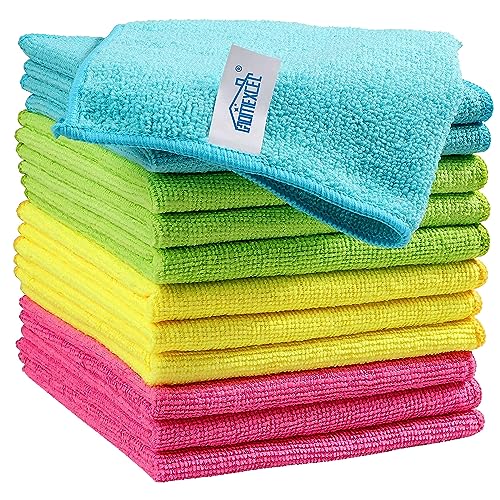
Effective Streak-Free Cleaning: Clean kitchen countertops, windows, mirrors, bathroom surfaces, stainless steel, car interiors, glass, and other delicate surfaces with just water or your favorite cleaner—these microfiber cloths deliver streak-free, neat results with minimal effort, making daily cleanup fast and simple

Concise & Convenient: The concise style design makes this pouch a small and exquisite look. Solid color just goes with everything and fits all types of bags

Microfiber 16 x 12-inch cleaning cloth (24-pack); ideal for cleaning cars, trucks, boats, and more
How to Oil Your Damascus Steel Blade After Every Wash
After each wash, oil your Damascus steel blade to maintain its corrosion resistance. Start by thoroughly drying the blade with a lint-free cloth, ensuring no moisture remains on the edge, spine, or handle. Leaving water on the surface can cause rust to develop. Next, select a food-safe oil such as mineral oil or camellia oil. Apply a few drops onto a soft, clean cloth, then gently spread a thin, even layer across both sides of the blade, paying careful attention to the edge and tang. Avoid over-oiling; you want a subtle, light sheen that provides protection without pooling or creating a slick surface. Finally, buff away any excess oil with a clean part of the cloth. This light coat acts as a barrier against moisture and air, preventing rust and corrosion while attracting less dust. Reapply this oil after every wash, especially if you store your blade in a humid environment, to keep the Damascus steel in prime condition. Proper sharpening maintenance complements oiling, as a keen edge is restored by using the correct angle and a consistent technique.

FOOD-GRADE MINERAL OIL FOR CUTTING BOARDS: Helps restore and protect dry cutting boards, butcher blocks, and wooden kitchen surfaces. Refreshes dull, worn wood and helps prevent cracking or splitting; works on bamboo, teak, acacia, olive wood, and hardwood boards

FOOD GRADE QUALITY: Premium mineral oil designed for direct and indirect food contact, meeting U.S. FDA regulations and USP standards for maximum safety

NSF CERTIFIED FOOD GRADE - This premium mineral oil is NSF certified and lab-tested to meet the strictest food safety standards. Colorless, odorless, tasteless, and gluten-free — perfect for cutting boards, butcher blocks, and all food-contact surfaces.