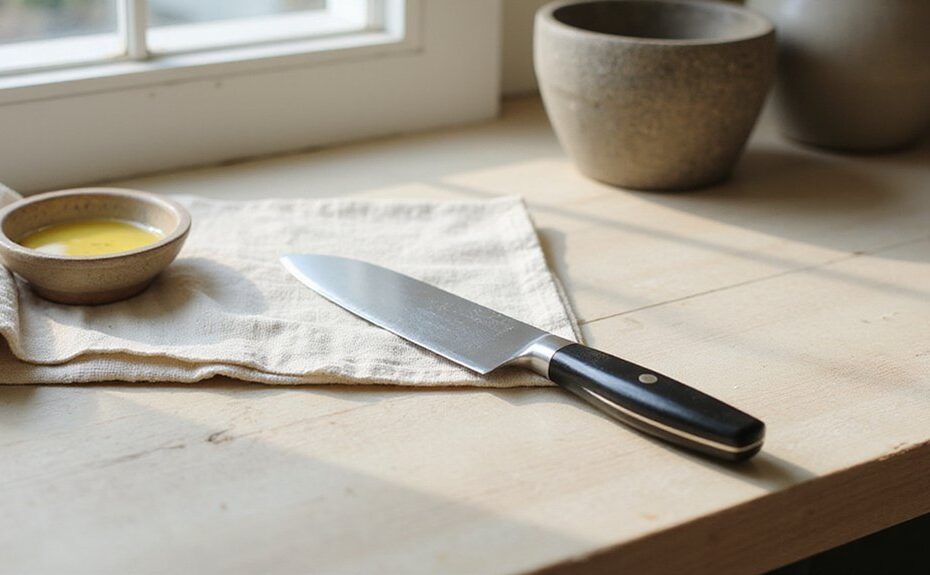
Wondering how to clean your Japanese knife without causing rust? The key is gentle hand washing with warm water and mild soap, followed by thorough drying.
Proper care helps keep your blade sharp and free from corrosion. With a few simple steps, you can protect your knife’s delicate edge and maintain its quality for years to come.
The full process is right below.
Wash Your Japanese Knife Without Inviting Rust
Always wash your Japanese knife by hand using warm water and a small drop of mild dish soap. This prevents damage to the blade finish and handle materials. Use a soft cloth or sponge, and avoid abrasive scrubbers that can scratch the surface and expose fresh metal. Rinse food residue immediately, especially acids from tomatoes or citrus, as they can speed up rust formation. Never soak or leave the knife in water or in the sink since prolonged exposure to moisture is a primary cause of corrosion. After cleaning, dry the knife thoroughly with a soft cloth, following the length of the blade to maintain the finish and preserve its edge. This gentle routine supports your polishing efforts and keeps the steel surface smooth and resistant to rust. To maintain a razor-sharp edge, regularly use a proper sharpening stone designed for kitchen knives. For secure storage, consider a sheath with belt clips for knife compatibility to prevent accidental moisture contact during handling. A Santoku knife often requires similar care to maintain its high-carbon edge and resist rust.

Performance Material: This mens golf shirt is composed of 95% polyester and 5% spandex, Lightweight, UPF30+, 4-Ways stretch, Soft, Moisture Wicking, and a silk-like cool touch that provides a refreshing wearing experience throughout the day

Home Decorative Towel: Our kitchen absorbent dishcloths are printed with tableware patterns. It can make your farmhouse dish towel stand out and become your perfect home decor
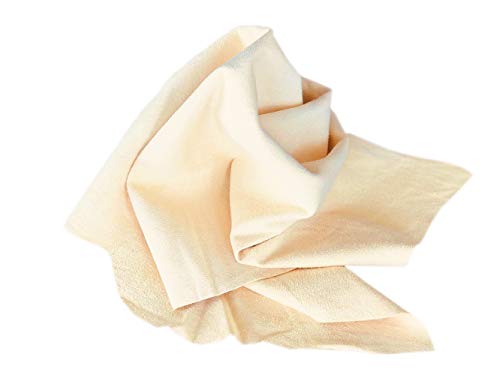
PRODUCT FEATURES: Unlike synthetic fibres, this natural chamois cloth is made of sheepskin leather, which is scratch free and super soft with great extensibility. This chamois car towels absorption capacities are significantly further enhanced to absorb and retain large amount of water. It provides lint-free shine on your car without leaving water marks.
Dry Every Crevice Immediately: Even the Choil
Dry the entire blade immediately, paying special attention to the choil, where the blade meets the handle. Water tends to linger in the crevices there, even when the flat looks dry. Use a dry microfiber cloth and wipe twice—once along the spine, edge, and heel, then again to catch any remaining droplets. Check the blade-handle seam carefully because moisture can hide there, undermining handle maintenance. Remember to dry both sides of the blade thoroughly from spine to edge. Any remaining water can cause rust, especially in tight spots like the choil. For carbon steel blades, air-drying isn’t enough; water can spot in just 15 minutes. Ensuring complete dryness before storage is essential to prevent rust formation. Even affordable knives under fifty dollars can last longer when properly dried to avoid moisture damage. For a similarly meticulous approach to kitchen tools, consider that a perfect spreading knife with holes also requires thorough drying of its crevices to prevent corrosion. When selecting a high-end blade, the best Japanese cooking knives are known for their superior edge retention and hardness, which demand equally diligent drying habits to protect their precision.
Manage Moisture Mid-Cooking to Protect the Blade
Wiping your knife frequently during cooking is essential to prevent rust—especially on carbon steel. Because moisture can cause rust within 15 minutes, actively drying the blade throughout the session is a must. Keep a dry towel at your cutting station and wipe the blade between switching ingredients. This is particularly important after cutting acidic foods like onions, citrus, or tomatoes, as their juices can accelerate rusting in minutes. Avoid letting wet ingredients pool around the edge or leaving your knife on damp surfaces. Pausing briefly to dry the blade after acidic cuts limits repeated exposure. Frequent wiping reduces the contact time between moisture and steel, preventing food buildup and corrosion. For those using a high-end set, choosing a knife with a quality block can help keep your blade stored dry and upright between uses. Choosing the right cutting board can also impact moisture retention, as some boards absorb juices more than others, prolonging blade contact with acidic liquids. Wood cutting boards are considered safe and are less likely to trap moisture on the blade’s edge compared to non-porous surfaces that can pool liquid. Immediate drying during cooking is not optional—it’s your key to maintaining a pristine blade.

Super Absorbent: AIDEA dishcloths offer exceptional water absorption; ensure quick-drying capabilities and provide a highly absorbent cleaning experience; stay dry with this heavy-duty and fast-wicking towel set

Super Absorbent: AIDEA microfiber kitchen towels are designed to provide exceptional water absorption; highly absorbent and quick-drying; offer extreme absorbency and effectively wick away water to keep surfaces dry

Super Absorbent: AIDEA microfiber kitchen towels are designed to provide exceptional water absorption; making them highly absorbent and quick-drying; offer extreme absorbency and effectively wick away water to keep surfaces dry
Store Your Carbon Steel Knife to Stop Rust Before It Starts
Proper storage is key to preventing rust on your carbon steel knife. Always keep it in a dry, cool spot away from the stove and sink, where moisture can easily collect. Avoid damp environments like basements, garages, or under-sink cabinets. If storing in a drawer, wrap the blade with dry paper or use a blade guard—never a leather sheath, which traps moisture and encourages rust. Before putting it away, apply a thin, even coat of food-safe oil such as camellia or mineral oil to create a protective barrier against humidity. Adding silica gel packets to the storage area helps absorb ambient moisture. Ensure the knife is completely dry, including the blade, handle joint, and any crevices, before storing. For long-lasting protection, consider using a knife block made of natural hardwood rather than magnetic strips, which can expose the blade to fluctuating kitchen humidity. For those seeking high-performance blades, high-carbon steel alloys also appear in top Japanese folding knives for their exceptional edge retention. Similarly, users of specialized hook knife profiles for carving must match blade curvature to their carving style to prevent moisture traps in the wood. Following these steps will effectively stop rust before it starts.

【Razor-Sharp & Rust-Resistant】Crafted from premium German high carbon stainless steel, TIVOLI Cooking Knives Set is highly resistant to rust and corrosion. The blades are meticulously honed to an exceptionally sharp edge, ensuring effortless precision cutting. Each knife boasts perfect weight distribution and balance, reducing hand fatigue during prolonged use. Their professional-grade durability and elegant design make them ideal for both aspiring home cooks and seasoned chefs

🔪【SHARP AND STURDY KNIFE SET】 - With sleek and modern design, and it won’t take up too much space on your counter. High carbon stain-free stainless steel, provides high durability. The blade superior sharp. Great kitchen top cutlery set!

PERFECT SET FOR BACK TO COLLEGE: Best gift for new college students, grads, newlyweds, or anyone setting up a first-time kitchen. A great set for those who know their way around a kitchen as it is or for newbie chefs just learning the ropes.
Remove Light Rust Without Damaging the Finish
To remove light rust from your carbon steel knife without damaging its finish, focus on surface oxidation only. Start with the mildest method: make a thick paste by mixing baking soda with water. Apply this directly onto the rust spots and let it sit for 5 to 10 minutes. Gently scrub the area using a soft cloth or a toothbrush, following the grain of the steel to avoid scratches.
You can also use a rust eraser that’s moistened for controlled spot cleaning. Rub lightly until the rust stain disappears and then stop to prevent damage. Avoid using steel wool or harsh pads, as these can scratch and mar the blade’s finish.
After removing the rust, rinse the blade thoroughly with water. Dry immediately to prevent flash rusting. To help protect the surface, apply a thin coat of oil, which acts as a barrier against future rust. This careful process preserves the knife’s appearance and supports long-term maintenance.

Mrs. Meyer's Baking Soda Cream Cleaner removes soap scum and grease build-up to make your kitchen sparkle

Concentrated to remove stains fast

EVAPO-RUST RUST REMOVER:: Evapo-Rust is a non-corrosive rust remover dip for restoring rusty treasures. With Evapo-Rust you can remove rust to bare metal without sanding or scrubbing. Just soak, rinse, and reuse.
Know When Patina Is Good and When Rust Isn’t
Patina is beneficial when it appears as a smooth, flat layer of discoloration—gray, blue, black, or iridescent purple—that sits evenly on the blade. This layer acts as a protective barrier, preventing further corrosion and preserving the metal underneath. You can identify good patina by its dense, non-transferring surface; it feels slick and uniform to the touch. Leaving this layer intact allows it to do its job as your knife’s shield against oxidation and rust.
In contrast, rust looks like rough, flaky patches in shades of orange or reddish-brown. It often spreads actively and does not form a uniform coating. Rust deposits are gritty and can easily transfer onto your fingers or cloth. When you encounter these signs—rough texture, orange tint, or powdery spots—you should promptly remove the rust using appropriate techniques. Unlike stable patina, rust weakens the metal over time and exposes your blade to increased risk of damage. Recognize the signs by texture and color—trust smooth, even patina and address uneven, rough rust spots to protect your knife’s integrity.
Why Japanese Knives Rust Faster Than Stainless Steel
Japanese knives rust faster than stainless steel because they are typically made from high-carbon steel with little to no chromium. Chromium creates a passive oxide layer that protects against oxidation and corrosion. Without sufficient chromium, your carbon steel blade cannot develop this protective barrier, so iron reacts directly with moisture and oxygen. Proper under cabinet storage can help prevent moisture exposure and protect the blade edge from accidental damage. For those who trim large cuts, using a high-carbon brisket knife demands even more immediate drying to prevent rust.
You may notice rust spots appearing within minutes to hours on a wet blade. While stainless steel blades can tolerate short periods of moisture with minimal corrosion, high-carbon Japanese knives are much less forgiving. Food acids and salts quicken the rusting process by stripping any weak surface protections. Even stainless-clad Japanese knives expose reactive carbon at the edge, making them susceptible to corrosion. Top bread knives similarly require careful maintenance to avoid damage, though they typically use stainless steel for greater rust resistance. A dedicated trimming knife made from stainless steel is often recommended for wet tasks to avoid similar corrosion issues.
In essence, you are trading corrosion resistance for a sharper edge. To keep your Japanese knife in good condition, it’s crucial to dry it immediately after use and avoid leaving any residue or moisture on the blade.