Wondering how many coats of mineral oil you need to properly condition your cutting board? Typically, three to four coats are enough to ensure your board is well protected and nourished.
For end-grain boards, you might need five or six coats to reach full saturation.
Keep an eye out for oil puddling on the surface or water beading up—those are signs you’ve applied enough.
Below, you’ll find all the details to get it just right.
How Many Coats of Oil on a Cutting Board? 3–4 Is the Sweet Spot
Three to four coats of mineral oil are ideal for conditioning a cutting board. The first coat penetrates deep into the dry wood fibers, enhancing oil absorption. Each subsequent coat increases saturation, and by the third or fourth application, you’ll see a subtle surface sheen. This sheen indicates the board is sufficiently conditioned to prevent rapid moisture loss. You don’t need to add more than this unless the board feels extremely dry or appears pale. For end-grain boards, you might need five or six coats because they tend to absorb more oil. In most cases, three to four coats are enough. Stop applying more oil when it no longer soaks in quickly and water begins to bead on the surface. This is your sign that you have achieved the optimal balance of oil and protection. For comparison, choosing a quality cutlery set involves balancing similar factors of performance and durability. Properly oiled wood also resists bacterial growth more effectively than dry, cracked surfaces, as a sealed surface prevents moisture from seeping into fibers where microbes can thrive. When deciding on the right product, you can compare cutting board oil vs conditioner for different approaches to maintenance.

Revitalizing blend prevents drying and cracking of hardwoods and bamboo
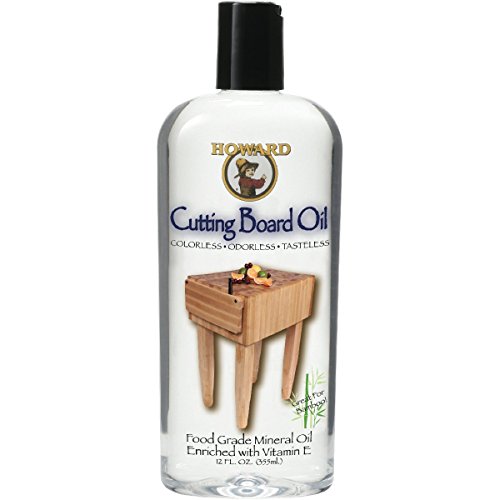
Cutting Board Oil is a deep penetrating 100% Pure USP Food Grade Mineral Oil that is tasteless, odorless, colorless, and will never go rancid

NSF CERTIFIED FOOD GRADE - This premium mineral oil is NSF certified and lab-tested to meet the strictest food safety standards. Colorless, odorless, tasteless, and gluten-free — perfect for cutting boards, butcher blocks, and all food-contact surfaces.
How Long Should You Wait Between Coats of Oil?
You should wait at least 24 hours between coats of oil for proper curing. This ensures the previous layer has fully dried and absorbed, creating a solid foundation for the next coat. If you’re working in cool or humid conditions, you might need to extend this wait time, sometimes up to 48 hours. For very dry, thirsty boards, you can allow the first coat to sit for up to 8 hours before wiping off excess oil, then wait a full 24 hours before applying the second coat. Rushing this process leads to a greasy or sticky surface and prevents the finish from properly curing. To achieve the best results, stick with the overnight rule—wait around 12 to 24 hours—between coats. Remember that mineral oil is non-curing by nature, so unlike tung oil, it will not harden or seal the wood, which is why this extended waiting period only helps with absorption, not the creation of a durable protective layer. A quality cutting board with rubber feet can elevate the board, allowing air to circulate underneath and potentially improving the oil absorption process. Using a high-quality knife set with a block ensures your blades are sharp and properly stored, reducing the risk of uneven cuts that can gouge or scar the board’s surface during use. For hunters who process their own game, using top butcher knives ensures clean cuts that reduce wood damage during carving.
3 Signs Your Cutting Board Can’t Absorb More Oil
To know when your cutting board can no longer absorb more oil, look for three clear signs. First, check the surface for oil siting on top without soaking in; this indicates the wood’s capacity has been reached. Second, observe the color; a uniform, darker hue that no longer changes with applying more oil shows the wood is sealed. Pale or chalky spots disappearing also signal saturation. Third, perform a water test—drop a few drops onto the board. If the water beads up rather than soaking in, the wood is already saturated. Additionally, after wiping off excess oil, the surface should feel smooth and non-greasy. Using an abrasive strop with compound can help maintain edge sharpness but is unrelated to board saturation. When these signs are evident, avoid applying more oil. Over-oiling wastes product and can leave a sticky residue, meaning your board has absorbed all it can. This saturation point also means you should switch to a wax-based finish for ongoing protection, which seals the surface without adding more oil. Unlike bamboo, which is prone to cracking and splitting if left dry, proper saturation prevents these issues.
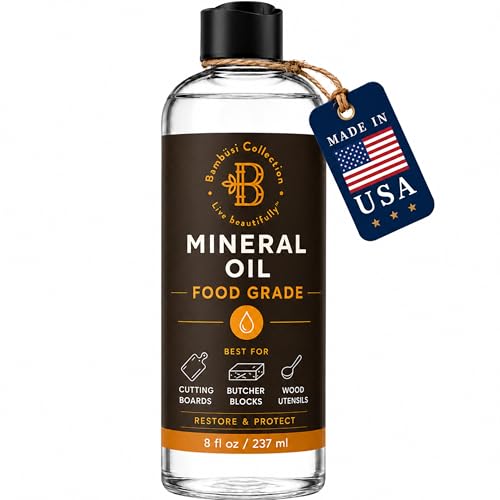
FOOD GRADE MINERAL OIL: This clear, odorless and tasteless white mineral oil is food safe and made for kitchen wood and food-contact surfaces. It soaks into dry cutting boards and butcher blocks to condition the wood without adding fragrance, flavor or unwanted residue

FOOD-GRADE MINERAL OIL FOR CUTTING BOARDS: Helps restore and protect dry cutting boards, butcher blocks, and wooden kitchen surfaces. Refreshes dull, worn wood and helps prevent cracking or splitting; works on bamboo, teak, acacia, olive wood, and hardwood boards

FOOD GRADE MINERAL OIL: Our mineral oil oil is lab tested to meet strict food safety standards. Clark's wood cutting board oil is not colorless, providing deep nourishment while keeping your wood cutting boards and kitchen surfaces protected.
How to Maintain Your Cutting Board After the First Treatment
After the initial oiling, proper maintenance involves cleaning your board with warm water and mild dish soap after each use. Never soak it or put it in the dishwasher, as excessive moisture can cause warping or cracking. Wipe away all soap residue thoroughly, then dry the surface immediately with a clean towel. To ensure full airflow and prevent trapped moisture, stand the board upright during drying and storage. For added hygiene, you can periodically sanitize the surface using a mild bleach solution or white vinegar. The high cost of charcuterie boards often stems from the initial board design and premium wood selection, which directly impacts how well the surface absorbs oil and resists wear.
The frequency of re-oiling depends on how often you use the board and the type of wood. For daily-use boards, reapply mineral oil approximately every three to four weeks. If you use the board less frequently, every six to eight weeks is sufficient. When reapplying, use a thin, even layer of oil, then let it absorb for about 20 minutes before buffing off any excess with a clean cloth. Between treatments, pay attention to the surface: a dull, dry appearance or a water-bead test—where water soaks in quickly—indicates it is time to re-oil for ongoing food safety and to extend your board’s lifespan. Over-oiling is possible and can create a sticky residue, so always apply thin layers to avoid this issue.

Food safe, prevents absorption of food odors. Perfect for cutting boards, wooden utensils, salad bowls and chopping blocks.

NSF CERTIFIED FOOD GRADE - This premium mineral oil is NSF certified and lab-tested to meet the strictest food safety standards. Colorless, odorless, tasteless, and gluten-free — perfect for cutting boards, butcher blocks, and all food-contact surfaces.

FOOD GRADE QUALITY: Premium mineral oil designed for direct and indirect food contact, meeting U.S. FDA regulations and USP standards for maximum safety
Why Oiling Your Cutting Board Prevents Cracks and Warping
Applying oil regularly slows moisture exchange within the wood, preventing uneven drying that causes cracks. When wood dries unevenly, internal stress builds up, leading to splits. Mineral oil forms a barrier that reduces how quickly moisture moves in or out, allowing the wood to dry more evenly over time. This stability helps keep the fibers intact and prevents cracks from forming. For best results, use a high-quality cutting board wax that enhances the oil’s protective barrier. A sharpening stone, by contrast, relies on abrasive grit to remove material rather than seal it.
Oiling all sides of your board ensures even moisture absorption, which is essential to prevent warping like cupping or bowing. When only one side dries faster, the board warps towards the drier side. Consistent application of oil on all surfaces balances moisture levels, maintaining the board’s shape and preventing distortion.
Oil deeply penetrates wood fibers, keeping them hydrated and less brittle. This internal hydration reduces the risk of splitting during heavy use or after washing. Additionally, oil creates a water-resistant layer that limits liquid absorption, minimizing swelling and shrinking caused by moisture fluctuations. Unlike pitting tools that rely on mechanical leverage to separate fruit from pits, mineral oil relies on absorption and barrier formation to protect wood. Regular oiling replenishes lost moisture and forms a protective barrier, helping preserve glue lines and end grain from moisture damage. Overall, consistent oiling acts as a preventive measure—maintaining the board’s shape, durability, and lifespan.