Picking between oil and conditioner for your cutting board can be confusing.
You might wonder which one is best to keep your board in top shape and how to use each properly.
In short, oil helps hydrate the wood, while conditioner provides a water-resistant shield.
By the end, you’ll know exactly when and how to apply each for a long-lasting, beautiful cutting board.
What’s the Real Difference Between Cutting Board Oil and Conditioner?
While both cutting board oil and conditioner protect wood, they serve different purposes. Oil, usually food-grade mineral oil, penetrates deep into the wood fibers to hydrate and keep the wood moist. Conditioner combines this oil with waxes like beeswax, creating a surface barrier that sits on top of the wood. When choosing between them, consider how charcuterie boards often require a balance of hydration and surface protection to prevent staining from cured meats and cheeses.
Both are food-safe options when you use food-grade mineral oil. The wax in conditioner physically blocks food juices and oils from seeping into the wood, providing extra protection. From an environmental perspective, mineral oil is a petroleum byproduct, whereas beeswax is a renewable resource. Conditioners tend to last longer because the wax layer slows moisture loss and wear, while oil needs more frequent reapplication to maintain the same level of protection. For a finishing touch, you might consider a dedicated sharpening stone to keep your knives in top condition alongside your properly treated board. Investing in a well-maintained board is similar to selecting a top knife set from a block, as both emphasize quality and long-term performance.

Revitalizing blend prevents drying and cracking of hardwoods and bamboo

FOOD-GRADE MINERAL OIL FOR CUTTING BOARDS: Helps restore and protect dry cutting boards, butcher blocks, and wooden kitchen surfaces. Refreshes dull, worn wood and helps prevent cracking or splitting; works on bamboo, teak, acacia, olive wood, and hardwood boards
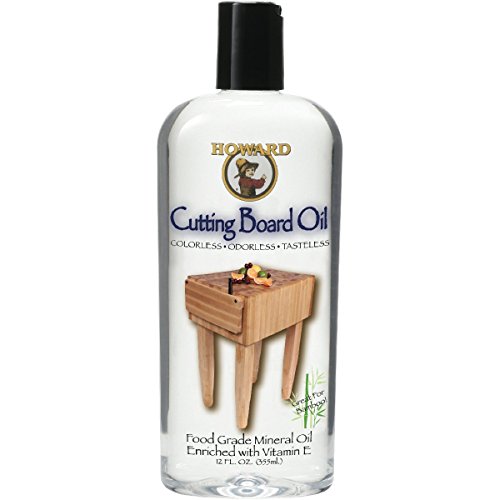
Cutting Board Oil is a deep penetrating 100% Pure USP Food Grade Mineral Oil that is tasteless, odorless, colorless, and will never go rancid
Should You Start With Oil or Conditioner on a New Board?
If your cutting board is new, raw, or unseasoned, you should start with oil—not conditioner. Oil penetrates dry wood fibers to season the board, creating a protective, hydrated surface. Conditioner, on the other hand, sits only on the surface and does not absorb deeply. Applying conditioner first can leave untreated wood beneath, which may lead to cracks or warping over time. Mineral oil derived from virgin mineral oils is food-grade and safe for all food-contact wood surfaces.
Begin by cleaning and thoroughly drying your board. Then, apply a generous coat of food-grade oil to all surfaces, including edges. Allow the oil to soak in for at least 20 minutes up to an hour. Repeat this process with two to four coats for thicker or larger boards, wiping away excess oil after each application. Only once the board appears evenly moisturized and saturated should you proceed with a thin layer of conditioner. Using this sequence ensures the wood is properly seasoned and protected from the inside out.
When to Reach for Oil vs When to Grab Conditioner
Use oil when your wooden surface looks dull, feels rough, or absorbs water quickly. Oil penetrates deep into dry, thirsty wood fibers, restoring moisture and bringing back the natural luster. You should choose oil if your texture comparison shows a rough, pale surface or if water stops beading on the surface, indicating a need for hydration. Oils typically have a neutral or woodsy scent, which helps identify them, but remember that scent alone isn’t enough—match the product to the wood’s condition. Similarly, the correct angle of application, much like with a sharpening stone, ensures the oil reaches deep into the grain for maximum absorption. The high cost of premium charcuterie boards often stems from the use of rare exotic hardwoods that demand specialized care to maintain their appearance.
Opt for conditioner when the surface already feels smooth, hydrated, and is simply in need of routine protection. If your texture comparison reveals a slick, sealed finish or a surface that resists water penetration, conditioner works better by adding a wax top layer to seal and protect. Conditioners often have a waxier or sometimes sweeter aroma, but focus on the surface’s texture and hydration level to guide your choice. For boards that have been stripped or heavily washed, start with oil to rehydrate before applying conditioner for ongoing maintenance. The same principle of using the correct angle and repeatable technique applies to honing a wood surface’s edge like sharpening a carving knife for restored performance.
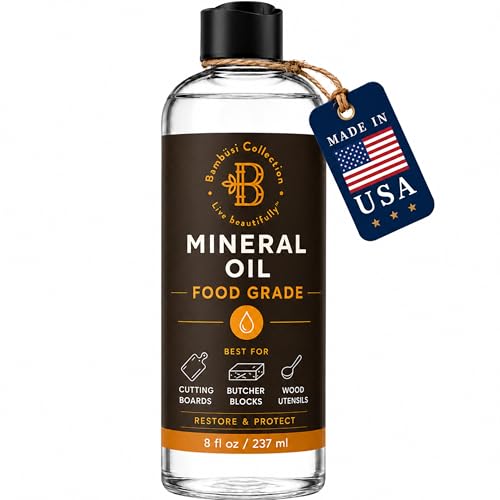
FOOD GRADE MINERAL OIL: This clear, odorless and tasteless white mineral oil is food safe and made for kitchen wood and food-contact surfaces. It soaks into dry cutting boards and butcher blocks to condition the wood without adding fragrance, flavor or unwanted residue

Built for Wooden Surfaces: 16 oz. food-grade mineral oil penetrates deep into wood grain to help reduce dryness while protecting butcher blocks, cutting boards, countertops, and utensils.

NSF CERTIFIED FOOD GRADE - This premium mineral oil is NSF certified and lab-tested to meet the strictest food safety standards. Colorless, odorless, tasteless, and gluten-free — perfect for cutting boards, butcher blocks, and all food-contact surfaces.
How to Apply Oil and Conditioner the Right Way
Before applying any oil or conditioner, ensure your cutting board is clean and completely dry. Use mild soap and warm water, then air-dry to remove all dust and residue that can damage the finish. Removing debris is essential for food safety and maintaining the board’s longevity. For similar care, Damascus steel knives require mild soap and water to avoid harsh chemicals that can damage the surface. For party hosting, selecting a high-quality board ensures both durability and an impressive presentation.
Pour a generous amount of food-grade mineral oil directly onto the surface. Use a lint-free cloth to rub it in with circular motions, covering all sides, edges, and grooves. Allow the oil to soak in for at least 20 minutes; longer if the wood is very dry. Wipe off any excess oil to prevent a greasy surface, which is crucial for protecting the wood and keeping it durable. This routine helps preserve the board for long-term use, much like how a top-rated cutlery set offers durable performance for your kitchen.
Once the oil has absorbed fully, apply a thin, even layer of conditioner. Use a soft cloth to buff it into the wood following the grain. Let it sit briefly to allow the conditioner to penetrate, then buff off any residue. Avoid letting excess conditioner pool on the surface, as a light, absorbed coating offers protection without buildup.

FOOD GRADE MINERAL OIL: Our mineral oil oil is lab tested to meet strict food safety standards. Clark's wood cutting board oil is not colorless, providing deep nourishment while keeping your wood cutting boards and kitchen surfaces protected.

FOOD GRADE QUALITY: Premium mineral oil designed for direct and indirect food contact, meeting U.S. FDA regulations and USP standards for maximum safety

NSF CERTIFIED FOOD GRADE - This premium mineral oil is NSF certified and lab-tested to meet the strictest food safety standards. Colorless, odorless, tasteless, and gluten-free — perfect for cutting boards, butcher blocks, and all food-contact surfaces.
The Simple Maintenance Routine: When to Reapply Oil vs. Conditioner
Check your cutting board weekly for water resistance: if water soaks in instead of beading on the surface, it’s time to reapply oil or conditioner. For most home kitchens, applying oil every 2 to 4 weeks keeps the wood well hydrated, while conditioning monthly adds a protective wax layer. Frequent washing or heavy use means you should reapply sooner. In dry climates or during winter heating, both oil and conditioner may need to be reapplied more often. After sanding, start fresh with a coat of oil, then follow with conditioner. Use the water-beading test and the board’s appearance to determine when to reapply, rather than sticking to a fixed schedule. Similarly, maintaining a pristine knife edge requires attention to Japanese sharpening stones for perfect results. Just as ceramic knives maintain their edge longer than steel, your cutting board’s surface benefits from consistent oil application to prevent cracking and wear. For those who store multiple cutting boards, a high-quality storage case keeps them organized and protected from damage.