Wondering about the right angle to sharpen your Japanese knives? Most are sharpened to around 15 degrees per side, creating a sharp yet durable edge.
This angle suits their harder steel and a balance between sharpness and longevity. Keep reading to learn how to find the perfect angle for your specific knife and cooking style.
What’s the Standard Japanese Knife Sharpening Angle?
The standard Japanese knife sharpening angle is approximately 15° per side, resulting in a total included angle of about 30°. This angle offers a good balance between sharpness and durability for most kitchen knives like gyuto, santoku, and petty knives. For single-bevel knives such as yanagiba or deba, you typically sharpen one side to between 10° and 15°, with the back remaining flat. Heavier deba knives may require a slightly wider angle of 15° to 20° to ensure strength and longevity. Always consider the knife’s steel hardness and how you plan to use it when choosing the sharpening angle, as these factors influence the optimal edge angle for maintaining performance and lifespan. When selecting a knife, evaluating quality and value in top sets helps confirm the steel’s suitability for your desired angle. For a comprehensive overview of top kitchen knives, you might consult a best cutlery sets review that compares quality and value. However, just as a balanced diet matters for overall health, the sharpening angle must be balanced with the knife’s intended use to avoid excessive wear.
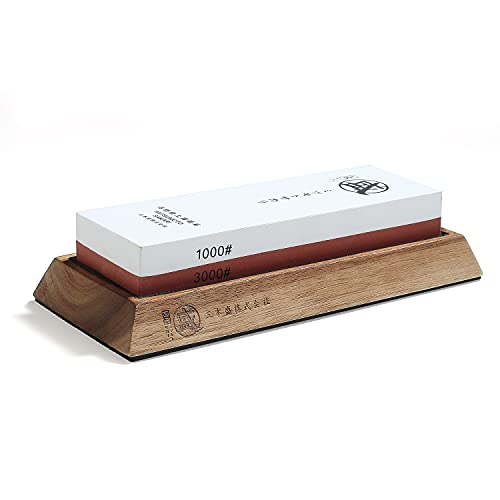
1000/3000 Grit Dual-Sided Whetstone: 1000 grit side quickly repairs dull edges and reshapes worn blades for daily meal prep; 3000 grit side hones and polishes edges to a smooth, razor-sharp finish for clean cuts of meat, fish, vegetables and fruit.

【Complete Knife Sharpening Stone Kit】You don't need to be a Pro to sharpen your blades, all you need is the right tools & technique. All the sharpening tools you need are here, one affordable set for you: 400/1000 & 3000/8000 grit whetstone; Coarse flattening stone; Non-Slip Bamboo base; Knife sharpening angle guide; Leather strop, a simple instruction manual about how to use and what does every component do.
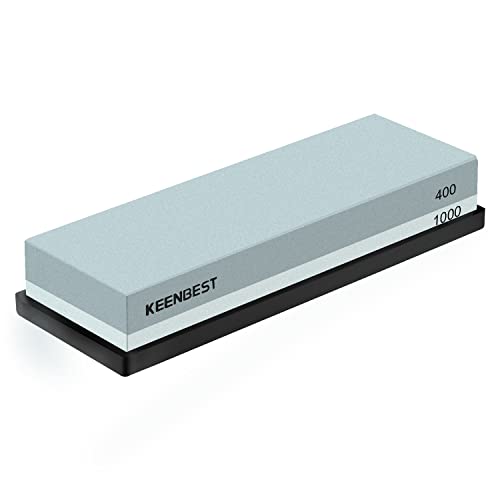
No oil needed, just put the stone into water for 10-15 minutes before using and they are ready to use. You can always adding water on it while sharpening, with water the lubricating effect of grinding will be great and helps you to save strength
How Japanese Knife Angles Compare to Western Knives
Japanese knives are sharpened at a much narrower angle of 10 to 15 degrees per side, compared to Western knives, which usually range from 18 to 22 degrees per side. This sharper edge results in a keener, more precise cut, ideal for delicate slicing and fine work. However, the narrower angle also means the edge is thinner and less durable, making it more prone to chipping under heavy use or when chopping tougher ingredients. Proper storage in dedicated knife storage boxes can help protect these delicate edges from damage when not in use.
Western knives are angled wider for greater durability, often at 18 to 22 degrees per side. This creates a stronger, more robust edge that withstands chopping, bone contact, and rough handling better. While they might not deliver the same ultra-fine precision as Japanese blades, Western knives are generally better suited for heavy-duty kitchen tasks.
Maintenance also differs: Japanese steels tend to be harder, requiring careful sharpening techniques to avoid chipping. Western steels are softer, tolerating more abrasive use and easier resharpening. The steel hardness and edge angle together influence performance: Japanese knives often feature thinner, more refined edges for low-resistance slicing, while Western knives have thicker profiles that support additional durability and strength. Your choice hinges on whether you prioritize precision for delicate work or durability for heavy, everyday chopping. When selecting a board to pair with your knives, consider that high-quality charcuterie boards offer a durable surface that protects fine edges from damage.
What Angle Should You Use for Gyuto and Santoku Knives?
For gyuto and santoku knives, aim for an edge angle of 12 to 15 degrees per side. Typically, 15 degrees per side is the safest and most versatile starting point for most home cooks. This angle balances sharpness with durability, minimizing the risk of chipping on harder steels while providing a clean, precise cut. Starting at 15 degrees allows you to maintain the factory edge or replicate it, preserving the knife’s intended feel. If you want a sharper, more precise edge for delicate tasks, drop down to 12 degrees per side. For everyday use and increased resilience, sticking with 15 degrees is generally best. Always check the factory edge first to match its angle, which helps you avoid removing unnecessary material or compromising the blade’s intended design. These blades are double-beveled, meaning they require symmetrical sharpening on both sides. Begin with a broader angle if you’re unsure, then refine downward based on performance and cutting needs. For additional context on overall maintenance, the Essential Guide to Japanese Knives offers practical guidance for home cooks. Achieving this angle consistently requires a repeatable technique and the correct stone to prevent uneven wear. Careful, symmetrical sharpening ensures your gyuto or santoku delivers optimal results while respecting the craftsmanship behind its design. For those seeking a complete set of complementary tools, a white knife set with storage block can provide a coordinated and convenient kitchen solution.
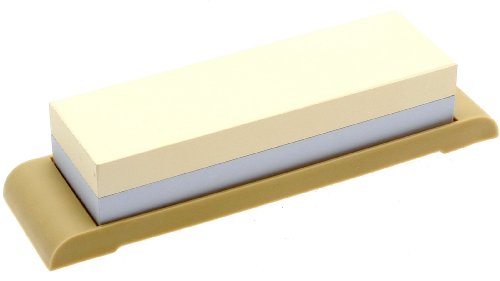
Double-sided water stone for sharpening knives, scissors and other cutting tools
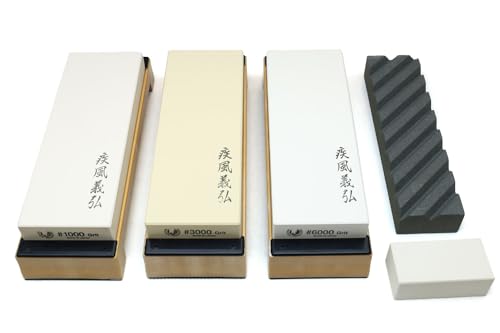
Grade : Toishi Sharpening Whetstone Full Set /Type: Japanese Sushi Chef Tool

【All-in-One Sharpening Stone Kit for Every Blade】 – This complete knife sharpening stone set includes everything you need: dual-sided whetstone with 400/1000 & 3000/8000 grit, coarse flattening stone, non-slip bamboo base, angle guide, leather strop, and manual. Whether you're a home cook or a pro, this professional knife sharpener kit handles all your sharpening needs in one affordable package.
Why Harder Steel Lets You Sharpen at a Narrower Angle
Harder steel allows you to sharpen at a narrower angle because it resists plastic deformation, preventing the edge from rolling or collapsing at more acute angles. This capability is rooted in the steel’s microstructure—specifically, the presence of fine carbides and a low carbide volume fraction. These microstructural features enhance edge stability, enabling you to push the sharpening angle lower without micro-chipping. Softer steels, on the other hand, require a wider angle to maintain durability because they need more material behind the edge for support. As hardness increases, the primary failure mode shifts from edge rolling to micro-chipping. A refined microstructure allows you to fully leverage the higher hardness, letting you sharpen Japanese hard steels around 15 degrees per side. This results in a sharper cutting edge that maintains stability, as the steel itself can better withstand the reduced support from the microstructure.
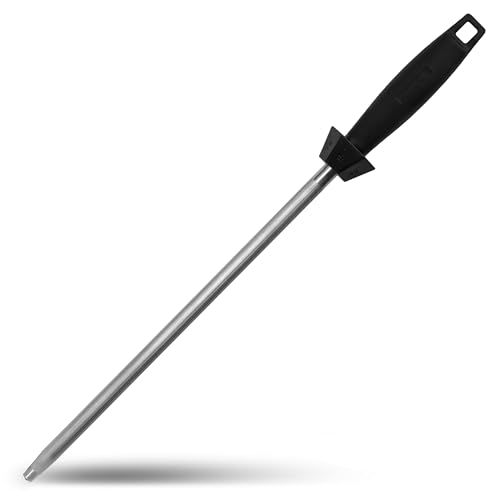
【3-Way Angle Mastery for Razor-Edged Blades】Sharpen 15° (precision slicing), 18° (all-purpose cutting), or 20° (heavy-duty chopping) effortlessly using our innovative hexagonal angle guides – unique sharpening rod with triple preset angles! Simply place your knife against the precision-machined edges to instantly lock the ideal sharpening position. Achieve surgical-level accuracy whether you're a home cook or professional chef, all without complex adjustments.

RAZOR-SHARP RESULTS EVERY TIME — Restore dull, blunt knives to professional sharpness with the rolling knife sharpener kit. Our 3-stage diamond and ceramic disc system — 400 grit for repairing damaged edges, 1000 grit for precision sharpening, and 3000 grit ceramic for a mirror-polished finish — works flawlessly on stainless steel, carbon steel, and high-carbon kitchen blades. Whether you're a home cook or a professional chef, achieve factory-sharp results in under 2 minutes.

3-STAGE SHARPENING SYSTEM — Need to repair a damaged edge or polish a finished one? Use the 400-grit diamond disc for edge repair, the 1000-grit disc for sharpening, and the 3000-grit ceramic disc for a polished finish on compatible kitchen knives.
When to Use a Wider Angle for Tough Ingredients or Soft Steels
A wider bevel angle of around 20° to 22.5° per side is preferable when working with tough ingredients or softer steels. Dense items like squash or thick proteins place more stress on the edge, increasing the risk of rolling or deforming a sharper, narrower bevel. A slightly broader angle distributes force more evenly, enhancing durability without sacrificing too much cutting performance. Softer steels lack the hardness needed to support an extremely acute apex, so pushing the bevel back to about 20° per side ensures the edge remains stable over time. This angle is similar to the durable edge found on top charcuterie boards designed for heavy use. Using a whetstone to maintain this angle requires consistent pressure and angle to avoid creating a rounded edge. For those who also own serrated knives, a good serrated sharpener can offer a similarly stable edge for different blade types.
Choosing this angle also benefits situations where blade resistance to corrosion is important. A thicker edge contains more metal, making it less vulnerable to attack from moisture. Additionally, a more durable edge requires less force during cutting, reducing hand fatigue and making heavy prep tasks more manageable. A 20° bevel offers a practical compromise: it maintains sufficient sharpness while enhancing reliability and longevity for demanding kitchen tasks.
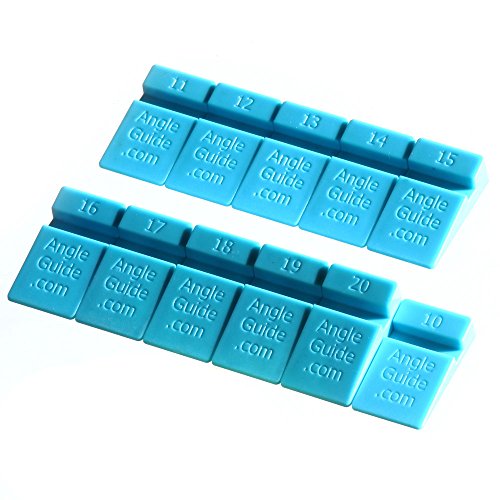
Model: Wedgek AGM Medium size. For larger size model Wedgek LR5 is available.

It makes sharpening blade edge like a pro!

【Fixed 20° Angle Guide】 This angle guided knife sharpener adopts factory preset 20° guide to simplify sharpening work. As a handheld angle sharpener, this angle guided sharpener stays locked at ideal 20° geometry without extra calibration. Consistent sharpening angle delivers precise edge every time with no learning curve.
Single-Bevel Knives? Don’t Sharpen Them Like Everything Else
Because single-bevel knives rely on an asymmetrical edge designed for precision slicing, you shouldn’t sharpen them like standard double-bevel blades. These knives have a bevel on one side that cuts at an angle of 10 to 15 degrees, depending on the type—yanagiba at 10 to 12 degrees, deba at 15 to 20 degrees—while the back side remains flat. When sharpening, you don’t grind the flat side at an angle; instead, you use uraoshi, which involves light strokes with a fine stone grit to remove burrs. Applying heavy pressure can damage the hollow grind, so it’s best to be gentle and deliberate. This is because single-bevel knives rely on an asymmetrical edge designed for precision slicing. Use honing oil to lubricate the stone, helping protect the blade’s delicate geometry and reduce friction. Always match the existing bevel angle exactly—don’t create a new one—so you preserve the knife’s sharpness and its food-release qualities. This careful approach ensures your single-bevel knife remains precise and easy to handle, just like it was when new. For the best results, start with a coarse stone to set the edge, then progress to finer grits, which is a standard practice for premium Japanese kitchen knives that demand a keen, polished finish. Neglecting this routine can lead to a dull edge that requires more frequent, aggressive sharpening sessions to restore.
What Japanese Knife Sharpening Angle Should a Beginner Use?
For beginners, sharpening Japanese knives at around 15° per side is ideal. This angle, totaling 30° inclusive, offers a good balance between a sharp edge and durability. It’s suitable for most double-bevel blades like gyuto, santoku, and petty knives. Harder Japanese steels benefit from a thinner edge at this angle, but dropping below 15° increases the risk of chipping, especially if your sharpening technique isn’t yet refined. Starting at 15° per side gives you a practical, forgiving edge that’s manageable and effective for everyday kitchen tasks. If you want a slightly more durable edge, widening the angle to 15–20° per side can help, though it may sacrifice some slicing performance. Overall, sticking with 15° per side is the most reliable choice for beginners learning to sharpen Japanese knives.

𝐀𝐜𝐡𝐢𝐞𝐯𝐞 𝐫𝐚𝐳𝐨𝐫-𝐬𝐡𝐚𝐫𝐩 𝐞𝐝𝐠𝐞𝐬 𝐞𝐯𝐞𝐫𝐲 𝐭𝐢𝐦𝐞: SHARPAL 194H is the perfect tool to ensure that your knives, chisels and Plane Iron Blades are always sharpened at the correct angle, resulting in sharper edges that last longer.

15° Whetstone Angle Guide: Helps keep a steady sharpening angle on a whetstone, so beginners can build a more repeatable stroke for kitchen knives and chef knives.

No Sharpening Skills Required: knife angle guide。It helps sharpening beginners easily get started, find the correct sharpening angle, and simply make the knife sharp.Even first-time users can achieve a sharp edge Align the angle and sharpen with confidence using this beginner-friendly guide. Slightly flawed 3D print
How to Check and Hold Your Sharpening Angle Consistently
To check and hold your sharpening angle consistently, start by selecting a precise angle—15° is a common choice. Use the marker test by coloring the bevel with a permanent marker, then take a few light, controlled strokes on your stone. If the ink wipes away evenly along the bevel, your angle is accurate. To quickly verify your stance, place a coin under the spine; one coin typically simulates around 15°, providing a visual reference. Keep your wrist locked and move your entire arm from the shoulder to prevent drift. Short, controlled strokes are more effective than forceful sweeping motions, as they help maintain your alignment. Regularly examine the marker pattern under bright light at several points along the blade edge. Uneven ink removal indicates the need for minor adjustments. Consistently checking your angle prevents small deviations from becoming larger, reprofiled edges.
How to Tell If Your Sharpening Angle Is Wrong
If your knife feels sharp immediately after sharpening but then dulls quickly, the likely cause is an incorrect sharpening angle. A too-shallow angle creates an edge that folds under pressure, lacking the support needed for durability. Check for signs like micro-chipping or a rolled edge; these indicate a fragile edge that sacrifices longevity for initial sharpness. If the blade cuts poorly despite feeling sharp, your angle might be too steep, forming a wedge that drags through food. Watch the burr: if it appears inconsistently along the blade, you’re likely drifting your angle during sharpening. Applying marker on the bevel can help diagnose this—wear concentrated at the edge shows you’re too steep, while wear higher up indicates too low an angle. Also, using a coarse stone grit can leave behind weak, jagged edges that fail prematurely. Adjusting your sharpening angle and matching your grit to the steel’s requirements will improve the edge’s durability and overall performance. For your sharpening setup, consider using a durable butcher block as a stable surface to maintain a consistent angle while working. Top-tier knives like Wüsthof chef knives are typically sharpened to a 14-15 degree angle per side, offering a balanced reference point for durability and cutting performance. Understanding the cost logic behind premium kitchen tools can also help you justify investing in a quality sharpening system rather than settling for inexpensive alternatives.