Keeping your kitchen knives sharp enough to cut easily is key to safe, efficient cooking. But how often should you sharpen them? The answer depends on how often you cook and how you use your knives.
In general, professional chefs sharpen weekly or monthly, while casual cooks may need to do it every few months. Read on to learn how to keep your blades in top shape.
Most Home Cooks Should Sharpen Every 3–6 Months
Most home cooks should sharpen their knives every 3 to 6 months. This range accounts for how frequently you use your knives and the kind of cutting surfaces you work with. If you’re preparing meals every day, aim for closer to the 3-month mark to maintain a sharp edge. Less frequent use, such as once a week or less, can extend that interval toward six months.
Your maintenance habits also influence how often you need to sharpen. Regular honing helps realign the edge and delays the need for sharpening. The tools you choose matter as well; a high-quality whetstone or an electric sharpener can prolong the knife’s performance. Investing in quality knife sets with durable steel can reduce the frequency of sharpening needed between sessions. Additionally, cutting-board materials impact blade dulling—softer surfaces like plastic or wood are gentler than harder ones like glass or ceramic. A blade’s pattern-welded steel can also affect edge retention and durability.
Sticking to this 3 to 6-month schedule ensures your knives stay sharp and safe while avoiding unnecessary over-sharpening that can wear down the steel prematurely. Keep an eye on the blade’s performance, and adjust the frequency based on how quickly it dulls in your specific setup. For those who also handle tasks like skinning game, maintaining a razor-sharp edge is crucial, and selecting the right skinning knife can further improve efficiency and safety.

As Sharp As New - Professional 2-stage system for sharpening and polishing can quickly refresh your knives' sharpness. The crude stage sharpens knives quickly, and the fine stage polishes the edge more smoothly, delivering a sharp, burr-free edge. Bringing you professional results conveniently at home.

Professional Household Electric Knife Sharpener - Narcissus S809 electric knife sharpener features a professional 3-stage sharpening system for quick and efficient blade edge maintenance. The Coarse slots rapidly repair dull or damaged edges, while the Fine slots hone the edge sharp, and the Polish slots polish the edge to a smooth, burr-free finish. Delivers a like-new sharp edge in just 40 seconds, perfectly meeting your finer edge maintenance needs.

UNIVERSAL COMPATIBILITY: An ideal all-in-one sharpening solution for any home or commercial kitchen. Fits all standard straight-edge steel knives, including paring, chef, Santoku, utility, slicing, and boning knives. (Not for serrated blades or scissors)
4 Signs Your Knife Is Too Dull to Use
Your knife is too dull to use when it no longer produces clean cuts. If the blade tears through tomatoes or slides over peppers instead of slicing smoothly, it’s a clear sign of dullness. You’ll also notice you need to apply much more force than usual; slicing feels like sawing, and the knife drags through carrots, which can lead to sloppy cuts and slower prep. Safety can also be compromised—if your blade slips off onion skins or other ingredients because of poor grip, your fingers are at risk. Additionally, when ingredients become bruised or torn instead of evenly sliced, it indicates the edge isn’t sharp enough. Investing in affordable kitchen knives known for edge retention can reduce how often you need to sharpen. Sticky, ragged edges are a dead giveaway that your knife needs sharpening. Don’t wait for these signs to worsen—sharpen your knife promptly to keep your cuts precise and safe. Visual inspection of the edge under light can reveal dullness before these performance issues arise. Investing in a quality sharpening tool, such as rotary cheese graters designed for consistent edge maintenance, can help restore performance and safety.
Honing vs. Sharpening: What’s the Difference?
Honing and sharpening serve different but complementary roles in maintaining your knife’s performance. Honing is primarily about edge straightening—it realigns the bent or rolled edge back into its proper position without removing any steel. This process, often done with a honing rod, is quick and is best performed before or after cooking to keep your knife cutting smoothly. Honing helps maintain the sharpness you already have, preventing the edge from dulling prematurely.
Sharpening, in contrast, involves metal removal. It uses abrasive tools like sharpening stones or electric sharpeners to grind away steel and create a new, sharper edge. This is necessary when your knife is genuinely dull, chipped, or no longer cuts effectively even after honing. Sharpening is more aggressive and resets the bevel angle completely, restoring your knife’s cutting power. Understanding the difference between these two tasks is key when selecting the best cutlery sets for long-term value.

Premium Steel Construction - The steel rod is made of carbon steel and plated with nickel-chrome; the fine surface of the steel rod prevents the cutting edge from damage when sharpening.

Built in angle guides provide consistent and repeatable angle to ensure you can quickly and accurately hone the edge of your knives.
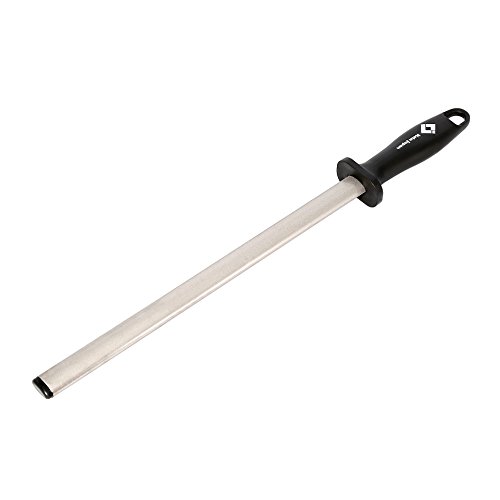
✔️ DIAMOND ELECTOPLATING: State-of-the-art manufacturing for precision Kitchen, Home or Hunting blade sharpening. Ensures efficient and sharp sharpening of dull knives and tools.
5 Factors That Change Your Sharpening Schedule
Your sharpening schedule must adapt to how you treat your knives. Usage frequency is the biggest factor: using a knife daily dulls it seven times faster than using it weekly. What you cut also impacts how quickly it dulls—denser foods like carrots, bones, or frozen products wear down the edge faster, while softer foods such as tomatoes or bread are gentler. The type of cutting surface makes a significant difference. Hard materials such as glass, marble, or granite damage your blade’s edge rapidly. In contrast, softer surfaces like wood or plastic help preserve the sharpness over time. For best edge retention, choosing Japanese cooking knives made from high-grade steel is a smart investment. Blade durability depends heavily on steel quality; harder, high-grade steel tends to hold its edge longer, meaning you won’t need to sharpen as frequently. Finally, your habits influence blade wear: high heat from dishwasher cleaning and loose storage in drawers cause dulling, whereas hand washing and proper knife storage extend the edge’s lifespan. Adjust your sharpening routine according to these factors, rather than following a one-size-fits-all rule. Using a cutting board conditioner can also help protect the wood surface and maintain its integrity over time. For reference, selecting a quality charcuterie board made from softer wood can similarly help preserve your knife’s edge during food preparation.

3.4oz(100ml) Pure Tsubaki knife Oil(Camellia Oil)
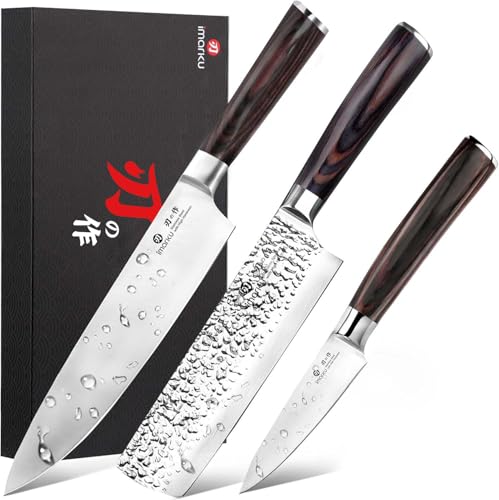
Ultra Sharp Professional Edge:Each knife in the imarku kitchen knife set is carefully hand-polished by skilled craftsmen with a 15° double bevel edge and 2.3mm blade thickness for exceptional cutting precision. These ultra sharp kitchen knives glide effortlessly through vegetables, fruits, fish, and meat, delivering a smooth and professional cooking experience
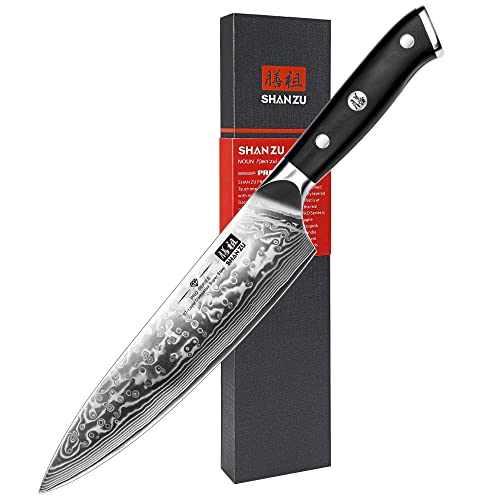
Japanese Steel Knife Core, Super Sharp: SHAN ZU chef's knife core is made of 10Cr15Mov Damascus Japanese steel that has high hardness(62 HRC), rust-resistant, and wear-resistant features; with advanced forging technique, you will get a super sharp kitchen knife
Professional Chefs Sharpen Weekly or Monthly
If you work in a high-volume kitchen, you’ll likely need to sharpen your knives every week or two. Standard professional use often extends that interval to monthly. Heavy daily prep and long services demand more frequent edge maintenance to keep performance consistent. For daily but less intense use, sharpening once a month helps prolong your knife’s lifespan without overgrinding the blade. Fine-dining and high-output kitchens tend to follow weekly sharpening cycles, while smaller kitchens or those rotating multiple blades often schedule sharpening every four weeks. Remember, this applies to actual sharpening, not honing, which is a more frequent touch-up. The high cost of premium services mirrors how artisanal craftsmanship values precision and consistent results over time. Your schedule should be based on workload and knife condition, not guesswork. Prioritizing regular edge maintenance protects your investment, ensuring your knives cut faster and last longer. Whether you sharpen weekly or monthly, maintaining a consistent routine is more important than the exact interval. To achieve the best results, selecting one of the best sharpening systems can help ensure your blades are properly maintained. A quality carving set with a sharp blade also reduces wrist strain, yet its performance depends on the same edge retention standards as your everyday chef’s knife.
Hone Weekly, Sharpen When It Stops Cutting
You should hone your knife weekly and sharpen only when it stops cutting well. Regular honing keeps the edge aligned without removing metal, maintaining the blade’s true shape. This routine can be done in just a few minutes, acting as preventative care that boosts the knife’s lifespan and reduces the frequency of sharpening. Make honing part of your weekly kitchen routine by using a honing rod, ideally on a day like Sunday, so it becomes a habit. For those who prefer an alternative, best vegetable choppers are reviewed for quality and value to simplify food prep. For a durable edge, consider using water stones for sharpening, as they are commonly recommended for their fine grit options. The same scissor sharpeners can also be evaluated for quality and performance to maintain other cutting tools.
Sharpening becomes necessary when your knife no longer slices cleanly. If it drags through tomatoes or presses herbs instead of cutting, it’s time to sharpen. Honing helps restore a misaligned edge, but once it no longer helps, your knife needs a proper sharpen. Visible chips or nicks in the blade are clear signs too. Don’t stick to a fixed schedule; wait until your knife’s performance drops. Light use might mean sharpening every six months, while frequent cooking may require it every two to three months.