If your serrated knives aren’t cutting like they used to, sharpening might be just what you need. Unlike straight-edge knives, they require a different technique to keep their scalloped edges effective.
With the right tools and method, you can restore their bite and keep them performing like new.
In the sections that follow, I’ll guide you through the specific steps to sharpen a serrated knife properly, so you can enjoy effortless cutting every time.
Pick a Sharpening Rod That Fits Your Serrations’ Curve
Choosing a sharpening rod that fits your serrations’ curve depends on matching the rod’s shape and size to the width of each gullet. Use a tapered or conical rod that conforms to the varying widths along the gullet, ensuring the abrasive contacts only the bevel surface and not the tooth tips. For bread-knife serrations, select a larger rod, about 6 to 8 millimeters in diameter, while steak-knife serrations typically require a smaller rod, around 3 to 5 millimeters. The shape of the rod is the most important factor: a tapered profile naturally adapts to changing gullet widths for consistent contact. For more on choosing a set that balances quality and value, consider comparing top picks for different sharpening tools.
Material choice also influences how well the rod contacts the curve. Ceramic rods provide a hard, fine abrasive surface suitable for gentle precision sharpening, while diamond rods offer faster cutting action with a tapered profile that fits well into serrations. Maintaining contact along the entire taper ensures even abrasive contact, resulting in a sharper edge without unnecessary material removal. When sharpening, press the rod flush against the beveled surface and use gentle, consistent strokes. Proper contact minimizes material loss and helps preserve the serration’s shape over time.
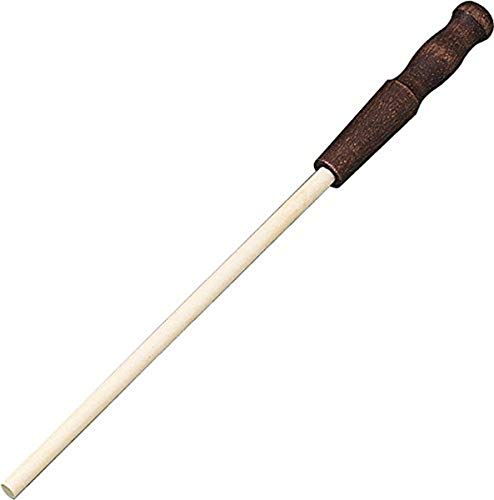
Wood handle

SHARPENS SERRATED AND STRAIGHT - tapered diamond‑coated rod reaches scallops and micro‑serrations; flat/half‑round section restores plain edges; ideal for bread and pocket knives

Delicate steel rod pen design: the diamond knife sharpener is easy to grasp, which is lightweight; Moreover, this well made pen retractable sharpener can be applied with many ceramic and standard knife, and the diamond rod edge is suitable for making jagged objects pointed, and the groove edge is designed for hook objects
Angle the Rod to Match the Knife’s Original Bevel (About 20°)
Matching the rod’s angle to the knife’s original bevel, which is usually about 20°, ensures an effective and safe sharpening process. To do this, hold the rod at approximately 20° relative to the blade’s edge during each stroke. Start by identifying the beveled side of your serrated knife; only sharpen that side. Use a marker to color the bevel—if the marker is removed evenly after a few passes, your angle is correct. This method helps you avoid guesswork, as the material of your blade and how often you sharpen will influence how the edge wears. Maintaining a consistent 20° angle throughout each serration keeps the original grind intact. Let the bevel guide your hand, applying gentle pressure, and avoid rounding or changing the tooth profile by stabilizing the angle. This approach provides an effective manual alternative to the precision of top rotary cheese graters, which are designed to deliver consistent shredding results without sharpening. This approach ensures a smooth, even cut every time. Serrated knives are particularly useful for slicing through cured meats and cheeses commonly found on a well-crafted charcuterie board. A similar precision is sought when selecting a hunting knife for skinning deer, as the right blade profile ensures clean cuts without damaging the hide.

CONVERT YOUR KNIVES: Ideal for converting traditional 20-degree factory edges of household knives into high performance Trizor XV 15-degree edges
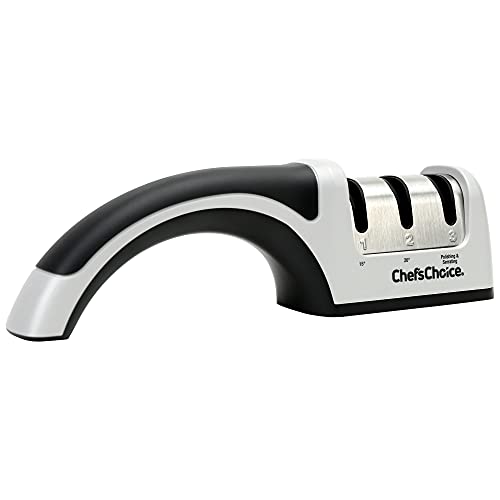
CHEF'SCHOICE - Professional 3-stage sharpener for super sharp edges on your 15 and 20-degree class knives

15º GOURMET KNIFE SHARPENER: Introducing the AccuSharp Gourmet 15º Knife Sharpener — the epitome of user-friendly precision for refining your gourmet knives, whether serrated or straight-edged. Elevate your culinary experience with our gourmet knife sharpener, the ultimate solution for sharpening your 15-degree knives.
Sharpen Each Serration Without Overgrinding
To sharpen each serration without overgrinding, use a tapered ceramic or diamond rod that matches the gullet size. The diameter should fit snugly without forcing, allowing precise control. Focus only on the beveled side of the blade—leave the flat side untouched to maintain the serration profile. Short, light strokes are key; treat each serration as a separate cutting edge. Work systematically from the heel to the tip, keeping the tool centered in each scallop. Stop once the rod’s diameter matches the width of the serration. Avoid pushing deeper, as overgrinding widens the scallop and damages the blade’s geometry. Remove only enough material to restore a clean edge, ensuring the serrations stay sharp without compromising their shape. For those assembling a party spread, the same attention to detail in tool selection applies as when choosing top charcuterie boards for perfect presentation. Top sharpening rods are reviewed on dedicated websites to help buyers select the right tapered rod for their specific serrated knife. Selecting the best tools for slicing also demands reviewing top pizza scissors for quality and performance.


Built in angle guides provide consistent and repeatable angle to ensure you can quickly and accurately hone the edge of your knives.

Size: 2 pieces diamond sharpeners about 135mm(5.3 inches) long-lightweight,suitable size,easy to store and save space
Stop When You Feel a Burr: Then Knock It Off Gently
Stop when you feel a burr form on the flat side of the serration. This indicates enough metal has been removed to create a sharp edge. Detecting the burr is essential; gently dragging your fingertip across the flat side confirms its presence with a thin, wire-like lip. Once you feel this, stop immediately to prevent dulling the bevel. A proper deburring step removes the burr and maintains the edge’s sharpness without reshaping the serration.
For deburring, use a ceramic or leather rod and work the flat side at a shallow 5 to 10-degree angle. Perform only 2 to 3 very light, edge-trailing passes to fold and weaken the burr, allowing it to detach cleanly. After each pass, check for burr removal by lightly catching it with your nail. Stop once the burr no longer catches, ensuring a smooth, consistent edge without reshaping the serration. Unlike wood tools, steel edges benefit from this gentle technique, but the same principle of avoiding over-aggressive abrasion applies to food safe mineral oil treated surfaces that require only light maintenance. For storage, always protect the edge by using a dedicated knife block or magnetic strip, which prevents accidental contact that could dull the serrations or damage the blade. For routine edge maintenance, honing oil offers superior lubrication and durability compared to mineral oil.

Built-in 20 degree angle guides provide consistent and accurate sharpening angle, and the hexagonal hand guard provides safety and prevents the rod from rolling.

[ PREMIUM MATERIALS ] - The 10 inch honing rod is made from pure white ceramic using Kimura's proprietary layering process and smoothened to a 1200 grit finish.

Hard Ceramics: the hardness of the ceramics provided by our ceramic knife sharpener is several times that of steel, and the texture is fine; It is a nice tool for tool grinding
Test the Edge on a Tomato Before Regular Use
Test the edge on a ripe tomato before regular use. Use one with intact skin, as thin skin exposes edge failures quickly. Place the tomato on a stable cutting board, then slice lightly—avoid pressing down hard. A sharp blade should bite in with minimal effort, creating clean splits in the skin without squashing the tomato. The cut should be controlled from tip to base, resulting in even, not ragged, slices. For the best results, choose a knife that balances quality and value with performance, as top-rated utility knives are tested for both edge retention and ergonomic handling. Many recommended sets include serrated utility knives designed for consistent edge retention against tough surfaces.
Watch for signs you need to sharpen further. If the knife skids or requires sawing motion, the edge is still dull. If the tomato gets squashed or torn, the edge lacks sharpness, often due to rushing or missing serrations during sharpening. Using paper to test the edge won’t reveal these issues; stick with a tomato for the most realistic check. Repeat the test if you are uncertain.
Only use the knife normally when it cuts cleanly without force. Consider this your final practical check before using it in the kitchen.

Country of Origin: CHINA
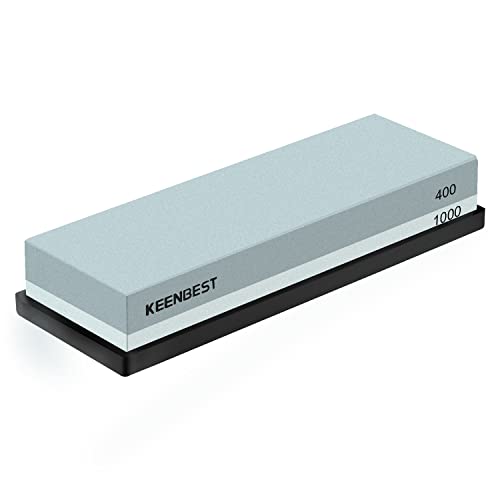
No oil needed, just put the stone into water for 10-15 minutes before using and they are ready to use. You can always adding water on it while sharpening, with water the lubricating effect of grinding will be great and helps you to save strength
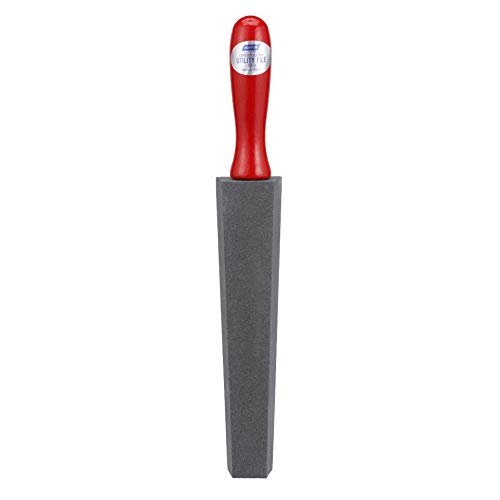
PERFECT FOR "FIELD-SHARPENING": Ensure houshold and professional tools stay sharp for the duration of the job with this portable, 14" sharpening stone with handle
Keep Your Serrated Knife Sharp Longer With Simple Habits
To keep your serrated knife sharp longer, adopt these simple daily habits. Use only wood or plastic cutting boards; glass, stone, or metal surfaces tend to shear the teeth and dull the blade quickly. After each use, wash and dry your knife immediately—soaking or running it through a dishwasher damages the blade material and can dull the scallops.
Store your serrated knife properly in a block or sheath to prevent bent or chipped teeth. Avoid prying, twisting, or scraping with it, and reserve it for tasks like cutting bread, tomatoes, and citrus fruits. Limit sharpening sessions to once a month with a ceramic rod, only when you notice the blade tearing rather than slicing cleanly. For tasks that require extra protection against accidental slips, consider using cut-resistant gloves made for wood carving. These consistent habits help preserve your serrated edge much longer than frequent repairs or professional sharpening.