
Choosing the right honing oil can seem like a small detail, but it makes a big difference in your sharpening results.
Many woodworkers and knife enthusiasts wonder whether to use honing oil or mineral oil for their stones.
The key difference lies in additives that improve performance under pressure, heat, and heavy use.
Keep reading to see which oil suits your needs best.
Honing Oil Vs Mineral Oil: the 3 Core Differences
Honing oil and mineral oil serve vastly different purposes despite both being derived from petroleum. Honing oil is a specialized metalworking fluid designed specifically for abrasive finishing, while mineral oil is a general-purpose base oil used across many applications. For example, mineral oil is commonly used on bamboo cutting boards to prevent drying and cracking, but it lacks the performance additives needed for metalworking. When selecting a knife set, quality, performance, and value are critical factors that depend on using the right maintenance materials, and for boning knives, Honing oil is essential to maintain a sharp edge.
Honing oil contains a tailored additive package that includes extreme-pressure and anti-wear agents. These additives improve surface finish and help extend tool life during honing processes. In contrast, mineral oil lacks these performance enhancers, making it ineffective at managing heat or removing swarf—metal particles generated during material removal.
Furthermore, honing oil’s low viscosity allows it to flush away metal particles and lubricate the cutting interface effectively. Plain mineral oil, however, often cannot provide adequate boundary lubrication under high pressure, risking both part quality and abrasive life. Substituting mineral oil in place of honing oil can result in poorer surface finishes and faster tool wear, highlighting the importance of selecting the right fluid for precision metalworking tasks.

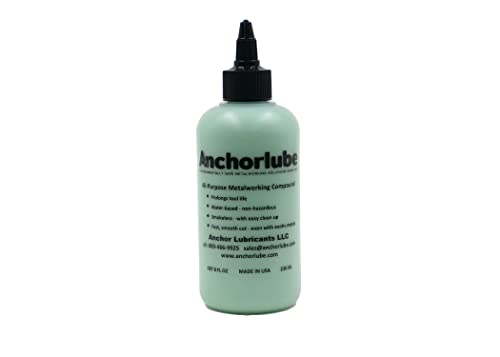
Advanced lapping fluid: Engineered specifically for diamond abrasives, the fluid helps prevent clogging and scaling. Reduces up to 95% rust formation on both your tools and sharpening stone surface

When You Can Use Mineral Oil for Light Honing Work
You can use plain mineral oil for light honing work on Arkansas stones and aluminum oxide oil stones for general sharpening maintenance. Its main purpose is to carry away metal particles and prevent the stone from becoming glazed, rather than providing aggressive cutting. Mineral oil is suitable because it’s thin, non-drying, and won’t harden on the stone surface, helping to keep the abrasive effective for longer. For those considering premium options, top Japanese kitchen knives often require finer sharpening care to maintain their performance. Recognizing the signs that it is time to sharpen will help you avoid the diminished edge performance that comes from waiting too long. Understanding the benefits of honing oil helps clarify why mineral oil works for light tasks but lacks the extreme pressure additives found in specialized fluids.
Finer stones, in particular, favor a light lubricant like mineral oil, which doesn’t interfere with their delicate abrasiveness. It can also be combined with diamond abrasives or polishing pastes during light finishing tasks, offering versatile, gentle lubrication. Just ensure the oil remains pure—avoid blends with scents or additives that can leave unwanted residues. While mineral oil won’t perform as well as specialized honing fluids under high pressure, it’s a practical choice for modest lubrication needs and removing loose metal grit. For light honing work, heavier lubricants are unnecessary.
What Viscosity Grade Does Your Honing Need?
Choosing the right viscosity for your honing oil is essential for optimal results. For slim diamond or CBN tools, a very light grade, around 4 to 5 cSt at 40°C, is ideal. This low viscosity allows the oil to flush away swarf efficiently and flow into tight clearances with ease. When working with wider tools that require high material removal and better surface finish, a medium viscosity close to 21.7 cSt is preferable because it maintains a stronger oil film for effective lubrication. For general-purpose honing, a viscosity range between 4.25 and 16 cSt often works well. Matching the oil’s viscosity to your specific application ensures proper flushing and lubrication; too thick an oil can slow debris removal, while too thin may not provide enough lubrication.

Knife Sharpener Stone Sharpening Oil to be used with your favorite sharpening system and Oil Stone to revitalize, maintain and preserve your tools, kitchen knives, utility knife and more
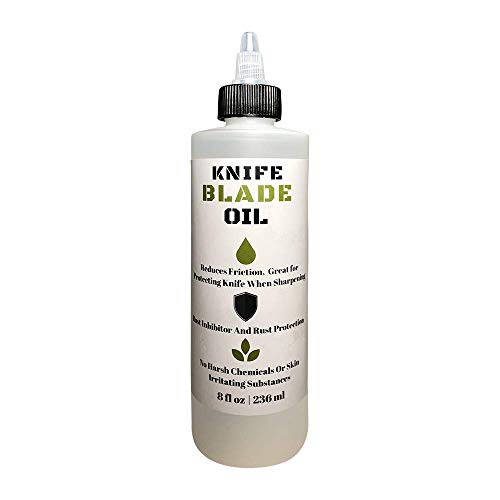
Made for Knives and Sharpening Stones: A light, clear honing oil that floats away metal particles while you sharpen, so your stone cuts cleanly and does not clog. Works on oil stones, Arkansas and India stones, diamond plates, sharpening steels and guided sharpening systems.

[INSTRUCTIONS FOR USE] Specially formulated for use with the FLEX-HONE in honing all types of metals.
What Additives Honing Oil Has That Mineral Oil Lacks
Honing oil contains several additives that mineral oil lacks, providing enhanced performance and protection. These include surface-active lubricity agents that reduce metal-to-metal contact, helping to minimize wear during honing. Extreme-pressure chemistry, such as sulfur or phosphorus compounds, is also present to withstand high loads without damaging the tooling. Anti-wear additives form a protective layer on the equipment, extending tool life and maintaining cutting efficiency. Rust inhibitors and metal deactivators prevent corrosion and staining, ensuring the workpiece and tools stay clean and preserved. Additionally, anti-foam and anti-mist agents improve fluid handling by reducing foaming and overspray. However, it’s important to consider additive compatibility because mixing honing oil with incompatible substances can cause contamination and compromise the entire batch. Mineral oil alone does not include these specialized additives; it serves solely as a basic base oil without the protection and performance enhancements offered by honing oil’s additive package. For those who also maintain hunting tools, choosing the right skinning knife often requires similar attention to specialized care. A review of the best honing oils can help users select the right additive package for their specific sharpening stone needs. Unlike honing oil, mineral oil is often used for cutting board maintenance due to its food-safe and simple formulation.

Consistent Ra Performance - 3220 contains a high concentration of Extreme Pressure Additives (EP) to prevent chips from welding to the abrasive tool during honing. Lesser quality oils generate random, deep scratches producing larger roughness averages during honing operations.

3 oz bottle
[INSTRUCTIONS FOR USE] Specially formulated for use with the FLEX-HONE in honing all types of metals.
How Purpose-Built Honing Oil Improves Swarf Removal
A purpose-built honing oil directly enhances swarf removal through its carefully formulated blend of low viscosity, targeted wetting, and cleaning abilities. Its low viscosity allows the oil to flow swiftly through the honing zone, effectively flushing out fine debris before it can become lodged between the stone and the workpiece surface. This results in cleaner stones and less load-up during the honing process, as the oil’s formulation prevents clogging. This is distinct from a general-purpose lubricant, as a honing oil is specifically engineered for this task, much like how a dedicated knife sheath is designed to protect both the blade and the user.
Good wetting properties ensure the oil spreads into tight clearances, carrying away particles uniformly and maintaining abrasive compatibility. Faster evacuation of chips reduces the need for recutting, which minimizes scratches and defects. Overall, this leads to better control over tolerances and a superior surface finish.
Maintaining optimal swarf removal performance requires proper fluid maintenance. Filtration systems play a crucial role by keeping the honing oil clean, preventing swarf and debris from re-entering the cutting interface. Without filtration, the oil’s flushing ability quickly deteriorates, leading to increased clogging and less effective debris removal. For a similar effect on sharpening stones, a DIY stropping compound can be applied to a leather strop to refine the final edge after honing.

High-viscosity oil refined to perfection

DEEP PENETRATION - With no odor, a clean synthetic oil with low viscosity with a consistency similar to olive oil, that easily spreads and penetrates on the metal surface to easily work into cervices and pits to protect your axe head. Helps remove light residue to assist in cleaning your axe head. Will not stain steel, wood or leather like most other oils.

DEEP PENETRATION - With no odor, a clean synthetic oil with low viscosity with a consistency similar to olive oil, that easily spreads and penetrates on the metal surface to easily work into cervices and pits to protect your axe head. Helps remove light residue to assist in cleaning your axe head. Will not stain steel, wood or leather like most other oils.
Is Plain Mineral Oil a Safe Substitute for Honing Oil?
Plain mineral oil is a safe and effective substitute for honing oil on most oil stones. It is pure, with no added fragrances or chemicals, reducing the risk of residue buildup or damaging your stone. Simply apply a thin layer of mineral oil before honing, ensuring smooth, consistent contact. Its inert nature makes it suitable for frequent use and easy to clean off when needed. Just avoid substitutes with additives or scents, as these can interfere with the sharpening process or leave unwanted residues.
Why Honing Oil Outperforms Mineral Oil Under Load
Honing oil outperforms mineral oil under load due to its enhanced film strength and additive content. In four-ball tests, honing oil with extreme pressure (EP) additives withstands 200 kgf before welding, whereas mineral oil fails at 160 kgf. This higher load capacity prevents scuffing when asperities—those tiny surface peaks—contact directly under heavy pressure.
Additionally, honing oil offers superior heat management. It removes heat quickly, maintaining a thick, stable film that protects the contact surfaces. Mineral oil, lacking these additives, tends to thin out and fail prematurely under sustained contact. The EP additives also promote material compatibility, protecting both your honing stone and workpiece from adhesive wear. This extends tool life, preserves cutting geometry, and results in a finer finish, making honing oil the better choice for demanding applications.
How to Choose Between Honing Oil and Mineral Oil for Your Stone
Honing oil is generally more suitable for fine-grit finishing stones, while mineral oil works well for coarser stones. Honing oil, which contains additives to prevent loading and enhance cutting smoothness, is lighter and less viscous. It prevents the stone surface from becoming clogged, maintaining a consistent sharpening action. Mineral oil, being thicker and more inert, can handle the rougher grit conditions better but may reduce efficiency if too heavy. For most standard sharpening tasks, the viscosity difference between these two oils directly influences how the stone cuts. This is why understanding the specific uses of graters and their design logic can help inform how you maintain your sharpening stones based on grit size.
For routine benchstone use, mineral oil offers a budget-friendly option and tends to have a longer shelf life, making it convenient for occasional application. Dedicated honing oil, though more expensive, justifies its cost when working with premium natural stones or tools that contact food, thanks to its cleaner composition and additive package. Always follow manufacturer guidance to avoid permanent damage to your stones or tools.
Storing these oils properly improves their lifespan: keep both in sealed containers away from heat and dust. Mineral oil’s stability makes it suitable for infrequent use, while honing oil’s additives require cleaner handling to preserve performance over time. This careful selection mirrors the design logic behind charcuterie boards, where the right materials and maintenance justify the cost for everyday use.

HONING SOLUTION – Smith’s Honing Solution features built-in stone cleaning agents and rust corrosion inhibitors and it can be used on all sharpening stones. This non-petroleum-based honing oil will prevent your sharpening stones from clogging.

This combination knife sharpener stone has a dual side sharpening system, one side with 100 grit stone for repairing cutting edges and 280 grit stone for sharpening and maintaining razor sharp edges on knives and tools

1. 10000 # grit natural green ultra fine sharpening stone, with a relatively large size of 180 * 60 * 30MM/7 * 2.3 * 1.2 inches
Why Switching Between Honing Oil and Mineral Oil Ruins Your Stone
Switching between honing oil and mineral oil can damage your stone because each oil leaves a different residue that affects its performance. Honing oil is formulated to carry away swarf, or tiny metal particles, without leaving a heavy film. Mineral oil, on the other hand, leaves a different type of film that doesn’t float debris as effectively. When you switch between the two, residues from one can mix with the other, clogging the stone’s pores and trapping filings inside. This buildup leads to glazing, which reduces cutting efficiency and creates a duller edge. Additionally, these oils behave differently under heat, affecting the temperature stability of the stone. This inconsistency in lubrication can alter how smoothly the stone cuts and affects the overall honing process. Additives in non-honing oils can also become gummy over time, embedding deeper into the stone with each switch. Once residues set into the pores, they become very difficult to remove completely through regular cleaning, leading to increased loading, slower cutting speeds, and a shortened lifespan of your stone. For home cooks using Japanese knives, maintaining a consistent lubrication routine is especially important to preserve the fine edge that these blades require. Selecting perfect pairings for your tools, similar to choosing complementary items for a charcuterie board, ensures everything works in harmony without causing interference. To maintain optimal performance and prevent permanent damage, it’s best to stick with one type of oil throughout your honing process. A consistent lubrication routine is essential because inconsistent maintenance can accelerate wear and reduce the tool’s effectiveness over time.
