Are you wondering if Mechanix gloves can protect you from cuts? The truth is, only certain models offer cut resistance, and the levels vary widely.
You’ll want to pay attention to specific ratings like ANSI and EN 388 to know how much protection they provide. Keep reading to find out exactly which Mechanix gloves deliver real cut resistance.
The Short Answer: Yes, But Only Specific Models
Mechanix gloves can be cut-resistant, but only if you select the right model. Not all gloves in their work line offer this feature. To determine if a specific pair provides cut resistance, check its ANSI rating, which ranges from A1 to A9. A1 offers light protection, while A9 provides the highest level of cut resistance. This rating depends on advanced fabric technology woven into the glove, not just a coating. Keep in mind that higher cut resistance often means reduced dexterity. Coverage varies as well; some models protect only the palm, while others offer 360-degree coverage. Your choice depends on the exposure risks of your tasks. To ensure safety, always verify the glove’s exact ANSI rating before selecting it for cut-resistant purposes. For durable kitchen tasks, you might consider a top butcher block instead of relying on gloves alone. A high-quality wooden cutting surface properly maintains knife edges and supports safe food preparation. Proper knife care, including regular hand washing and drying, prevents corrosion and maintains the blade’s hygienic surface for years.
Which Mechanix Gloves Offer Cut Protection?
Mechanix gloves offering cut protection include several models with varying levels of safety. For basic blade resistance, the Original® Hi-Viz D4 provides entry-level protection suitable for lighter tasks. If you need more robust defense, the Original® Hi-Viz D5 or Pursuit D5 feature an internal Armortex layer that offers ANSI A5 resistance, making them better suited for more demanding environments. The Commercial Grade Cut Resistant glove provides A4 protection, blending material durability with daily industrial use. For maintaining your gear, applying a food safe oil can help preserve the leather components on certain models. For the highest cut safety, the Max Cut™ series is your best choice. Both the Original® F9-360 and M-Pact® F9-360 meet ANSI A9 and EN Level F cut resistance standards, indicating they are designed for extreme cut hazards. Remember, choosing the right fit is crucial; proper glove sizing ensures the cut-resistant layers function as intended, maximizing your safety. As with any protective gear, considering performance and durability helps you select the right model for long-term use. For tasks requiring precision handling, pairing these gloves with a high-quality chef knife can improve overall efficiency and control.

MAX ABRASION RESISTANCE - Engineered with high - strength HPPE fibers, these work gloves offer ANSI Level 6 abrasion resistance—10x stronger than standard nylon. Perfect for grueling tasks such as construction, moving, and woodworking, these safety gloves drastically reduce replacement frequency, saving you 5-10x in gear costs over time.

【High Level of Protection】The ProGuard ANSI A9 cut resistant work Gloves provide the top-tier protection, boasting the high cut resistance rating available. Each pair features state-of-the-art yarn technology, ensuring 360° reliable hand protection from extreme cutting hazards

4X MORE CUT-RESISTANT THAN LEATHER — Safety gloves made from the highest level of cut resistant material on the market. These mandolin gloves cut prooft are 4X better at protecting you than leather and 10X better than steel. These cutting gloves or kevlar gloves are designed to dramatically reduce the risk of nicks and slices from kitchen knives, mandolines and graters when accidents happen.
How Mechanix Cut Resistance Ratings Work (EN 388 and ANSI)
Mechanix gloves display their cut resistance ratings using two main systems: EN 388 and ANSI/ISEA 105. EN 388 ratings range from level 1 to 5, indicating increasing resistance with higher numbers. It also uses an alpha scale from A to F for high-cut materials, where A provides the least protection and F the most. ANSI ratings, on the other hand, range from A1 to A9, based on the grams of force needed to cut through the material; A1 represents lower resistance, while A9 signifies higher protection. Plastic cutting boards follow a similar principle in that their durability and safety ratings help users match the board to specific kitchen tasks.
You’ll find both ratings listed on product pages, like EN 388 Level C with ANSI A3 or Level D with A5. These ratings are not directly comparable but give a general sense of cut resistance. A higher letter or number means better protection. For light tasks, A3 or lower resistance may suffice, but heavier work like handling metal or industrial materials demands higher ratings like A5 or D. Always check the full product specifications because cut resistance varies by glove design, not just the rating label. For comparison, similarly rated Japanese folding knives emphasize precise material hardness and edge geometry to achieve their own high-performance cut resistance standards. Maintaining a sharp edge requires a repeatable sharpening technique that restores keenness through consistent angle and stone selection.

CUT RESISTANT – ANSI/ISEA 105-2016 level A3 cut protection and level 6 abrasion resistance for protection when working with sharp materials

THERMAL PROTECTION - 13g HPPE with a soft 10g brushed acrylic fleece liner for comfort and warmth
CUT RESISTANT – ANSI/ISEA 105-2016 level A3 cut protection and level 6 abrasion resistance for protection when working with sharp materials
Level C vs. Level F: What Each Cut Resistance Rating Means
Level F gloves demand at least 30 Newtons of force resistance, making them suitable for the most extreme cutting hazards. In contrast, Level C gloves offer about 10 Newtons, providing mid-range protection for less severe tasks. Level C gloves are ideal for light metal or glass handling where dexterity and flexibility are important. Level F gloves, however, are designed for heavy fabrication, machining, or environments with sharp objects that pose a severe risk. They feature durable, stiffer materials that maximize cut resistance, but this often means sacrificing some flexibility. You should choose Level C when handling moderate risks, and switch to Level F when facing high-risk, sharp-edge threats. The force difference is roughly three times higher in Level F gloves, making them essential for the toughest cutting environments. For high-risk kitchen work, these gloves compare directly to top cut-resistant gloves designed for safe handling of sharp blades. For comparison, top Japanese cooking knives often prioritize similar precision in material hardness and edge retention to achieve consistent, clean cuts. When choosing a glove for kitchen prep, look for models with a vegetable chopper rating for balanced quality and value.

Protect Your Hand - Throw away the normal gloves and try to use our THOMEN cut resistant gloves. It is made from level 5 cut resistant material, protect your hands from injury, stronger than normal gloves. Let you enjoy cooking time.

SNUG AND COMFORTABLE FIT: Nylon-Spandex material conforms to hand shape enabling detailed work while maintaining manual dexterity while working

4X MORE CUT-RESISTANT THAN LEATHER — Safety gloves made from the highest level of cut resistant material on the market. These mandolin gloves cut prooft are 4X better at protecting you than leather and 10X better than steel. These cutting gloves or kevlar gloves are designed to dramatically reduce the risk of nicks and slices from kitchen knives, mandolines and graters when accidents happen.
Where Low-Rated Cut Resistance Gloves Fit in Your Work
Low-rated cut resistance gloves are best suited for tasks with controlled, low-hazard environments. Models in the A1–A2 category, with gram thresholds of 200 to 999, excel in jobs like packaging, inspection, and light assembly where sharp edges are brief and predictable. These gloves are ideal for routine warehouse logistics, small-parts handling, and food preparation, where tactile sensitivity and dexterity matter more than brute force protection. They are not designed for tasks involving sheet metal or glass, where sustained or intense cuts are common. Because of their lower resistance levels, they tend to fail quickly against rough, twisting edges, so they are best for environments where hazards are minimal. When choosing these gloves, ensure a snug fit to maintain precision—loose gloves can hinder dexterity—and select colors that improve visibility or match your crew’s gear. For example, a rotary cheese grater requires far higher cut resistance than these gloves provide. Match the glove’s protection level to the frequency and severity of hazards to keep your hands safe without excessive overprotection. In contrast, premium knife sets with blocks often emphasize blade hardness and ergonomic handles, but they do not address hand protection during sharpening or cleaning tasks. Those who frequently handle deer skinning might benefit from knowing which top knives for skinning offer optimal blade control for safer hand positioning.
When You Need Mid-Range Cut Resistance (Level E / ANSI A5)
If you need medium to heavy cut protection, then EN 388 Level E or ANSI A5 gloves are your best choice. These gloves are designed to handle sharp metal edges, recycling materials, or automotive assembly work where the risk of cutting is significant. They are constructed with high-tenacity fibers, including HPPE or tungsten steel blends, which provide a robust barrier against cuts without sacrificing dexterity. Unlike gloves made solely from aramid, these blends optimize strength and flexibility for demanding tasks like metal stamping or HVAC ductwork. Proper glove sizing is crucial; a fitted glove keeps the cut-resistant layer snug against your skin, which enhances protection and comfort. Mechanix offers these in 13- or 18-gauge knit options, giving you a balance between durability and flexibility. Whether choosing the M-Pact Knit CR5A5 or Pursuit D5, you get mid-range cut resistance designed for challenging work environments. For added durability in cold, wet conditions, the palm is coated with synthetic leather and nitrile for improved grip and abrasion resistance. The textured coating also improves handling of sharp materials similar to those encountered when working with stylish book-shaped wood cutting boards. Understanding how a serrated blade works helps explain why cut-resistant gloves must focus on snag prevention rather than just sharpness. Similarly, marble surfaces require careful handling to avoid chipping or scratching during use.

Protect your hand from cuts and abrasions---The high performance cut resistant material HDPE is adopted and the gloves is awarded with the highest EN388:2003 level 5 (EN388:2016 Level C) cut resistance certification. 10 times stronger than normal gloves.

[ANSI A9 MAXIMUM SECURITY] Step up to ultimate cut protection against knife cuts. Our ANSI A9 cut resistant glove is crafted with 316 stainless steel wire and HPPE yarn for professionals facing the sharpest blades daily. While our A5 series serves most cutting needs perfectly, the A9 level delivers peak performance for handling sharp metal sheets, glass panels, critical butcher operations, heavy-duty oyster shucking, and industrial food processing where safety cannot be compromised.
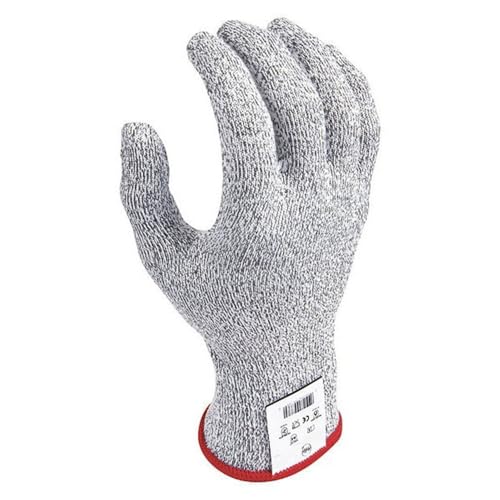
✅ Cut Resistant Gloves, A4 Cut Level, 15 ga, Gray, 6
The Highest Cut Resistance Mechanix Offers (Level F / ANSI A9)
The highest cut resistance Mechanix offers is rated at ANSI A9 / EN 388 Level F. These gloves are designed to withstand over 6,000 grams of cutting load before a blade can break through, making them suitable for very severe hazards. Models like Max Cut M-Pact F9-360 and Leather Driver F9-360 feature a 360° ArmorCore 9 liner that provides full-hand coverage, ensuring maximum protection in tough environments. Unlike specialized kitchen knives such as nakiri or usuba, which prioritize vegetable slicing over impact resistance, Mechanix gloves focus solely on hand safety during fabrication and metalworking. When choosing a cut-resistant glove, consider how the best cutlery sets compare in terms of blade material and edge retention for kitchen tasks.
The material composition combines high-tensile fibers with optional impact protection, targeting heavy-duty applications such as fabrication and metalworking. Proper sizing is essential; you need a precise fit because too loose gloves can reduce dexterity and compromise safety, while too tight gloves might limit the liner’s effectiveness.
Mechanix positions these gloves for high cut exposure, not light tasks. When selecting gloves from this tier, expect serious protection that can handle extreme cutting risks.
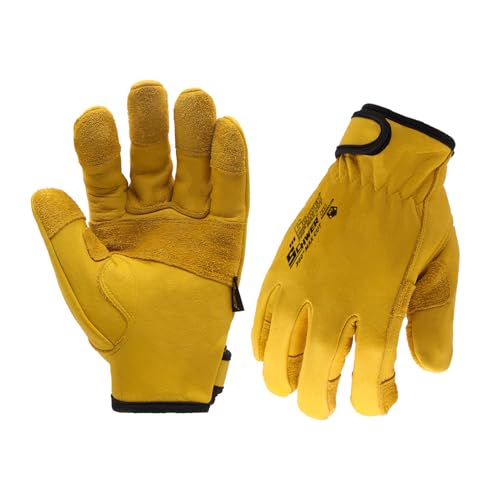
ANSI A9 Cut Resistant Liner - These PM3401 leather cut resistant work gloves feature a cut-resistant knit lining. Certified to ANSI/ISEA 105 Cut Level A9. Effectively guards against sharp edges, blades, metal, and glass—an ideal choice for high-risk job requiring safety. Note: The outer leather layer is not cut-resistant; the inner liner provides A9 cut resistance.

【High Level of Protection】The ProGuard series' ANSI A9 cut resistant work Gloves provide the top-tier protection, boasting the highest cut resistance rating available. Each pair features state-of-the-art yarn technology, ensuring 360° reliable hand protection from extreme cutting hazards

ULTRA ABRASIVE AND DURABLE - Schwer’s latest addition to the ProGuard-X series of gloves, fortified with double nitrile coating technology for unmatched abrasion resistance and durability. This enhancement significantly prolongs the gloves' lifespan, ensuring reliable protection over extended periods of use
How to Check the Exact Cut Resistance Rating Before You Buy
To confirm the exact cut resistance rating before you buy, check the glove tag or printed marking for standards like ANSI’s A1–A9 or EN 388’s numeric or letter codes. These markings indicate the glove’s specific cut resistance level. If the cut mark is missing, it usually means the glove isn’t classified as cut-resistant. Carefully read the product page specifications, as manufacturers like Mechanix often list the exact rating in the description or safety details. Always differentiate between ANSI and EN 388 standards since they use different measurement systems. Make sure the rating applies to the entire glove if you need full coverage—sometimes only the palm is rated, which might not provide the protection you need. Additionally, check if the rating includes the cut-load in grams, if that information is available. Verifying the model name, SKU, and matching it to the rating ensures you’re selecting the right level of protection for your tasks.
Why Cut Resistant Never Means Cut Proof
Cut-resistant gloves are never cut-proof. No glove can completely prevent cuts under every circumstance. The ratings on gloves show their tested threshold—how much force they can withstand during testing—not a guarantee that they will protect against every blade or sharp object you encounter. Real-world conditions, such as the sharpness of the object, the angle of contact, and repeated contact, can easily exceed these ratings. Wear and tear during use also reduce their protective ability over time, meaning a glove that was effective yesterday might not be today.
Material durability is compromised with each task, especially in wet or dirty environments. A glove that fits loosely or feels stiff can make precise handling more difficult, which increases your risk of injury. Regular inspections are essential; thinning fibers or small holes often develop with repeated use, turning high-rated gloves into false protection. To stay safe, match the glove’s resistance level to your specific hazard, replace worn gloves promptly, and do not rely solely on a rating to guarantee safety.