Wondering if you can toss your plastic cutting board in the dishwasher? The answer depends on the type.
Most plastic boards marked with a recycling code 5 or a dishwasher-safe symbol can handle the cycle, but they may warp after many hot washes.
Keep reading to learn how to sanitize effectively and recognize when it’s time to replace your board.
Yes, But Only If It Has This Symbol
You should only put plastic cutting boards with the dishwasher-safe symbol into the dishwasher. Look closely at the underside or packaging for a plate icon with water droplets or spray lines. This icon indicates it can withstand dishwasher cleaning. Avoid confusing this with the recycling triangle, which does not guarantee dishwasher safety. A full water-coverage icon signals broader compatibility, while partial coverage means the board should only go on the top rack. If the symbol is crossed out, keep it out of the dishwasher altogether. Unsure? Hand wash unmarked boards to prevent damage. For long-term use, a high-quality cutting board should be paired with a balanced knife set to reduce wear and tear on blades. Matching the symbol with the plastic material helps ensure safety. Polypropylene (PP), marked with recycling code 5, is reliably dishwasher-safe. High-density polyethylene (HDPE) and low-density polyethylene (LDPE) may work but only if clearly labeled. Eco-friendly materials also require this verification, as dishwasher detergents and heat can harm plastics not approved for machine cleaning. Always confirm the icon before loading your plastic cutting board into the dishwasher to preserve its integrity. However, unlike wood, which can harbor bacteria in knife scars and requires hand washing, plastic’s non-porous surface actually resists moisture absorption when properly sealed, making it a more hygienic choice for raw meat prep. In contrast, bamboo cutting boards are harder on knives and may crack if exposed to prolonged dishwasher heat.
The Hidden Risk of Warping Your Plastic Cutting Board
Dishwasher cycles are the main cause of warping in plastic cutting boards. The heat and pressure during washing soften the material, leading to shape changes over time. Thin boards are especially prone to bending or twisting because they cannot resist heat-induced deformation as well as thicker ones. Even boards made from heat-resistant plastics can warp if they are clamped in the dishwasher rack, exposing them to uneven or prolonged heat. Repeated hot cycles—typically after about 50 to 100 washes—can turn a flat board into a permanently curved or uneven surface, which reduces stability when you’re chopping. Once warping occurs, it’s usually irreversible, and replacing the board becomes the only practical solution. For additional guidance, look for signs of replacement to avoid using a compromised board too long. This is similar to how the high heat exposure in a dishwasher can also affect the expensive materials used on charcuterie boards, causing them to lose their shape or finish over time. Just as with charcuterie boards, the heat and moisture in a dishwasher can accelerate wear on a cutting board’s surface, potentially creating small cracks or grooves that harbor bacteria.
Why the Dishwasher Sanitizes Better
A dishwasher sanitizes better because its sanitize cycle uses water heated to 150°F to achieve a 99.999% reduction in bacteria. This high temperature penetrates knife scars and hard-to-reach areas where bacteria tend to hide, something that hand washing with tap water cannot reliably do. The machine’s spray arms ensure even coverage on both sides of your items, eliminating missed spots. Plus, because you are not manually scrubbing, there’s less wear on your plastic boards, which helps maintain their durability. Plastic boards are well-suited for this high heat, making them excellent for sanitizing after raw meat contact. However, to keep cutting surfaces at their sharpest, pairing proper sanitization with quality sharpening stones ensures your kitchen tools remain effective and safe. To further protect your tools, sharpen knives before they become too dull from repeated use. Just confirm that your dishwasher features a certified sanitize cycle—regular washing cycles do not remove bacteria as effectively. This process provides a measurable step toward food safety, taking the guesswork out of cleaning.
Top-Rack Placement: The One Plastic Board Rule You Should Never Skip
Placing plastic cutting boards on the top rack of your dishwasher is essential for maintaining their durability and shape. This position keeps them farther from the heating element, which can cause warping if exposed to high heat. To further protect your board, choose gentler cycle settings and angle it slightly to allow water to drain effectively. Securing the board prevents it from shifting and getting scratched during the wash. Polypropylene and polyethylene boards generally tolerate top-rack placement best, but always check for a dishwasher-safe label. Following this rule helps extend your board’s lifespan while ensuring thorough sanitation. However, even with proper cleaning, deep knife grooves can harbor bacteria and may eventually require the board to be replaced. Unlike plastic, bamboo boards are naturally antimicrobial, which helps resist bacterial growth even when grooves form. For a similar perspective on food presentation, French charcuterie boards highlight how material choice affects both hygiene and aesthetic appeal.
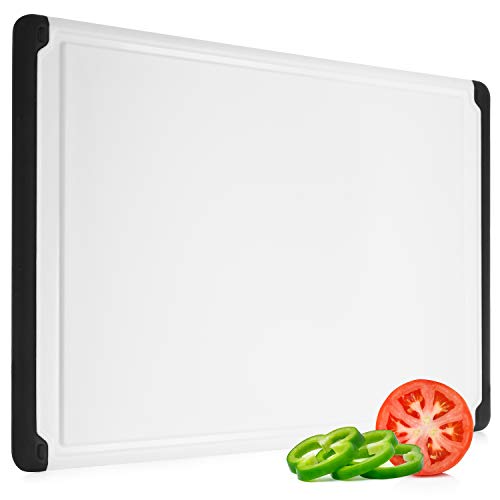
EXTRA LARGE 18 INCH PREP SPACE: At 18 x 12 inches, this large plastic cutting board gives you room to spread out whole chickens, roasts, and big batches of veggies without crowding. One board handles meat, vegetables, fruit, and meal prep instead of juggling small ones

QUALITY MATERIALS: This cutting board is made of polypropylene plastic. The poly material is non absorbent, nonporous, and will not harbor stains. It is gentle on knives, keeping their blades from getting dull quicker
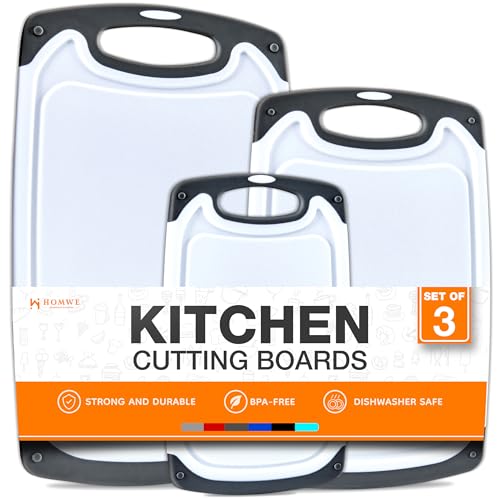
COMPLETE 3-PIECE COLLECTION: This set includes large, medium, and small cutting boards, designed to handle all your chopping needs. Perfect for slicing fruits, dicing vegetables, preparing meats, or carving roasts. Use over the sink, on countertops, or outdoors for BBQ prep. A versatile kitchen essential that keeps your cooking space efficient, organized, and ready for anything from family meals to party spreads.
3 Signs Your Board Won’t Survive Another Dishwasher Cycle
Deep knife grooves are a clear sign your plastic cutting board is past its prime. If you can catch a fingernail in these grooves, they are traps for food particles and moisture. Dishwasher heat and detergents will only enlarge these scars, making cleaning more difficult and accelerating the material’s breakdown. Over time, these grooves weaken the board’s structure, increasing the risk of bacteria hiding and spreading after washing. When grooves become deep enough to catch a fingernail, it’s a strong indicator that the board needs replacement. For a long-lasting upgrade, consider a utility knife that resists deep scoring better than a typical plastic board. Unlike metal blades, which can carve permanent trenches, ceramic edges tend to slice cleanly without gouging the surface, preserving the board’s integrity. A new charcuterie board made from quality materials offers both style and durability, resisting the deep scarring that leads to replacement.

FLEXIBLE PLASTIC CUTTING BOARDS FOR KITCHEN — 6 thin, colorful plastic cutting mats that bend: fold one into a funnel and pour chopped ingredients straight into the pot with far less mess. A lightweight, foldable cutting board set for everyday prep.

Premium Quality Material: made of BPA-free material. The cutting board of thickness of 1mm is more durable than the similar product on the market and built to last.

Large Enough Size - The flexible cutting mats for cooking dimensions are 14.65*11.02 inches, which makes enough space for food. The lightweight design is great for college apartments, small kitchens, RVs, or camping.
Which Plastics Actually Survive the Dishwasher Heat?
Polypropylene (PP) and high-density polyethylene (HDPE) are the plastics most likely to survive dishwasher heat. PP has a melting point around 320°F, which is well above the typical household dishwasher temperature, making it highly durable for repeated hot washes. It’s often rated for high-temperature sanitation, so choosing PP containers or boards provides a safe, heat-resistant option. For those assembling charcuterie boards, PP is also a durable choice for serving tools. HDPE also offers good heat resistance, but it’s less forgiving than PP. To minimize warping, opt for thicker HDPE items and always check the manufacturer’s dishwasher-safe label before proceeding. Overall, if you want plastics that reliably withstand dishwasher cycles, PP is your best choice for frequent, high-heat cleaning.

KITCHEN ESSENTIAL: This versatile cutting board is perfect for everyday use, ideal for cutting, slicing, and chopping a variety of meats, poultry, fruits, and vegetables.
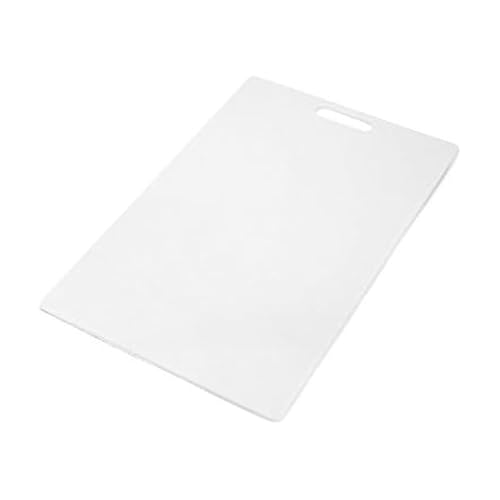
BPA FREE: This cutting board is made of BPA free, polypropylene plastic. The poly material is non absorbent, non porous, and will not harbor odors, stains, or harmful bacteria. It is gentle on knives, keeping their blades from getting dull quickly

✅RIGHT SIZES FOR EVERY NEED: Our kitchen chopping boards come with 3 sizes: a small: 10 x 5.8 x 0.3'' size, a medium 12.4 x 7.8 x 0.3'' size, and a large 16 x 9.8 x 0.3'' size. Multi-size cutting boards can be separately used for a variety of fruits, vegetables, pastries, meats, cheeses, etc, to prevent cross-contamination.
Why Hand Washing Extends Board Life Longer
Hand washing extends your plastic cutting board’s lifespan because it’s gentler than dishwashing machines. When you wash by hand, you control the water temperature, preventing the plastic from softening or warping due to high heat. The mechanical force used is focused only where needed, which avoids unnecessary surface wear. Rinsing and drying immediately after washing stops moisture from pooling, helping to keep the board dry and sanitary. Standing water promotes bacterial growth, so quick drying is crucial for food safety. Hand washing also makes it easier to clean off fresh residue, preventing hardened buildup that demands more aggressive scrubbing later. This careful maintenance helps your board retain its shape and stay smoother longer, reducing crevices where bacteria can hide. Overall, hand washing is the best way to maximize your cutting board’s durability and hygiene. Unlike self-sharpening knife blocks, which can dull blades unevenly, hand washing your cutting board reliably preserves its surface. For example, pairing a well-maintained board with a chef knife designed for versatile kitchen tasks ensures both tools perform optimally. Just as diamond stones offer superior abrasiveness for edge retention on hard steel, your board’s flat, smooth surface benefits from the same principle of minimal, controlled wear.
Why Knife Grooves Make Dishwasher Cleaning Harder
Knife grooves create hidden cleaning zones that water jets and detergent can’t fully reach. These microchannels trap food residues and bacteria, making it difficult for dishwasher cycles to dislodge them completely. As you cut more into your knife, these grooves deepen and expand, increasing the surface area where debris can settle. Even if the surface appears smooth, microscopic scratches can still harbor germs. The dishwasher’s spray primarily targets the exposed, open surfaces, leaving the recessed channels less affected. Food particles often lodge within these grooves before washing begins, reducing overall cleaning effectiveness. While heat and detergent can sanitize the surface, they rarely penetrate deep enough to ensure these hidden bacteria are eliminated. Butchers often prefer wear cut resistant gloves to protect their hands while cutting, but these gloves do not prevent grooves from forming on a cutting board. Glass cutting boards, by contrast, are non-porous and resist deep grooving but can still develop surface scratches. Once grooves develop, especially when they’re deep enough to catch your fingernail, thorough cleaning with a dishwasher alone becomes unreliable. Over time, the only way to truly sanitize and restore the blade to safe condition is through manual cleaning and regular sharpening or replacement.
The Best Dishwasher Settings for Plastic Cutting Boards
To keep your plastic cutting board in good shape, use a regular or gentle dishwasher cycle. Always place the board on the top rack, away from the heating element, to protect its material integrity. For sanitation, select a hot-water cycle between 140°F and 165°F, but avoid ultra-hot settings that could warp thin boards. Rinse off food scraps beforehand and ensure the board is not overcrowded so water can reach both sides thoroughly. If you prefer air drying, it’s safest for preserving the shape; however, if you opt for heated dry, remove the board immediately once the cycle is complete. These settings strike the right balance between cleanliness and maintaining your plastic cutting board’s longevity.

Large 10.39-in x 14.78-in Utility Cutting Board is ideal for big meals

PREMIUM QUALITY AND DURABLE: THETCHRY plastic cutting boards for kitchen is made of high-quality food-grade plastic, which is safe and healthy. And the surface of the cutting board is tough enough to withstand chopping, slicing and dicing various foods. Even after long-term use and repeated washing, it will not bend or break, and can be used by you and your family for a long time.

ULTRA DURABLE STRENGTH: 3rd Party Tested for durability, thick cutting boards have a nonporous surface that won’t splinter or peel, unlike wood cutting boards or a bamboo cutting board; deep grooves help catch messy juices while our strong design is built to last in your home to handle tough messes
When to Throw Out a Plastic Board and Buy a New One
A plastic board should be replaced when it shows deep grooves or scratches that trap food. If you notice dark stains or a fuzzy surface after washing, it indicates trapped residue and signals that it’s time for a new one. Cracked, warped, or rocking boards compromise hygiene and control, so replace them promptly. Persistent odors or stains that stay after cleaning also suggest the buildup of bacteria and residue, making the board unsafe to use. While plastic boards typically last between 1 and 3 years, you should not rely solely on age. Instead, let visible wear, staining, or odors guide your decision to retire it. Replacing your plastic cutting board at the right time keeps your food preparation safe and hygienic.

Rated 4,500 PSI tensile strength with a -220°F to +180°F service range.

Temperature range from 176 to 196

Rich Colors with Food Icons: Our cutting board set has 4 different colors help avoid mixing food flavors caused by mixing cutting board while cutting food.Red for meat, yellow for fruit, blue for fish,green for vegetables.