Figuring out which butcher knife you need can be confusing with so many types available. Each blade is designed for a specific task, from breaking down large cuts to trimming delicate parts.
Knowing the right knife can make your work safer, easier, and less wasteful. Keep reading to see how each tool fits into your butchering or cooking routine.
Why Every Butcher Needs a Job-Specific Butcher Knife
Using a job-specific butcher knife is essential for achieving the best cuts, improving efficiency, and ensuring safety. Different tasks require different blade shapes—the right knife lets you match your motion to the tool, reducing tearing and damage to the meat surface. For large cuts, a curved scimitar provides better control and leverage, while a narrow boning knife offers the precision needed for delicate work near joints and sinew. Maintaining a sharp edge through proper care prevents unnecessary force that can lead to slipping and injuries. Using high-quality sharpening stones to keep your blade consistently honed is part of that essential maintenance routine. Unlike steel knives that require frequent honing, ceramic blades retain their edge much longer and resist corrosion. Always use safety gear like cut-resistant gloves and keep a secure grip to protect your hands and maximize control. Choosing the correct knife for each specific job results in cleaner portions, less waste, and a smoother workflow overall. Having multiple, purpose-built knives rather than one all-purpose blade is a worthwhile investment for any butcher, and selecting a top knife set with a block ensures you have the right tool for every task organized and protected.
Breaking Knife: Best for Boneless Large Primals
A breaking knife is typically a 10-inch blade designed for breaking large boneless primals into smaller sections. Its broad, curved shape allows you to make long, sweeping cuts through dense muscle tissue with ease and control. This heavy-duty knife is essential for splitting beef quarters, pork shoulders, or game carcasses early in the butchering process, helping you avoid sawing motions that can damage meat fibers. Its workhorse design means you can rely on it for repeated, forceful cuts, making the breakdown process faster and more efficient. Keeping the blade well-lubricated and clean during use is vital, as proper hydration and care prevent food from sticking and reduce friction, ensuring smoother cuts on large sections. Over-lubricating the blade can lead to a greasy residue that attracts debris, so it is important to find a balanced oiling routine for cleanliness. Built from full-tang, high-carbon steel, a breaking knife offers exceptional durability and edge retention to withstand heavy cuts. Regular maintenance, like honing frequently and drying immediately after use, is crucial to prevent rust and keep the blade performing at its best. The broad profile and ample leverage of a 10-inch blade allow you to cut through large sections, such as chuck or ribeye, in a single pass. Grip the knife near the bolster for maximum control, letting the robust edge do the work rather than relying on force. Applying a food-safe mineral oil finish after each drying session helps protect the steel and maintain a smooth glide across the meat.

PERFECT FOR BUTCHER WORK. An excellent choice for butcher work, this breaking knife was made to easily break down meat into smaller roasts and pieces. The added weight from the wider blade makes uniform slicing easier, while also preventing meat from falling apart or tearing.

QUALITY CONSTRUCTION: Knife is precision-forged with high-carbon German steel and ice hardened for increased blade strength. Mirror finished blade allows for extra smooth cutting and release

PREMIUM PERFORMANCE – Perfectly engineered carving butcher knife tapered to a razor-sharp edge for effortless breaking down, trimming, cutting and skinning of meat.
Choose a Flexible or Stiff Boning Knife for Raw Meat
A flexible boning knife is best for delicate cuts around curved bones and joints, such as poultry and fish. Its slim, bendable blade allows it to glide along rounded surfaces, maximizing meat yield and minimizing waste. In contrast, a stiff boning knife is ideal for tougher cuts like beef, pork, or game. Its rigid blade can cut through dense connective tissue and joints without flexing, providing more control during heavy-duty tasks. For buyers seeking both quality and affordability, many top-rated cutlery sets include both flexible and stiff boning knives to cover a range of meat preparation tasks. When you eventually need to dispose of these knives, follow safe disposal methods like wrapping them securely before discarding. To protect your surfaces during these tasks, a cutting board with a juice groove helps contain meat juices and prevents messy cross-contamination on the counter.
Blade maintenance is straightforward for both types: regular honing keeps edges sharp, though stiff blades tend to hold their edge longer under frequent use. Choose a handle that offers comfort and reduces hand fatigue, especially if you plan to work extensively. Beginners might start with a 6-inch stiff boning knife for stability and control over tougher meats. Once comfortable, adding a flexible blade enhances precision for more delicate work.
Scimitar or Cimeter Butcher Knife: Which Trims Fat Best?
A scimitar or cimeter knife is your best choice for trimming large fat caps on brisket or pork shoulder. Its long, curved blade allows you to remove fat efficiently in fewer, smoother strokes, which helps reduce wrist fatigue compared to straight-edged knives. Use a gentle slicing motion—avoid sawing—to maintain control and prevent slips. The curved design naturally guides the blade along the fat-lean boundary, making uneven cuts less likely. To preserve its edge and your safety, store the knife in a dedicated magnetic knife strip that protects the blade from nicks while keeping it readily accessible. A durable butcher block surface provides the ideal cutting foundation for this knife, as it is gentle on the edge and resists deep scoring. For hosting a party, you can present the trimmed meats on large charcuterie boards that offer ample space for arrangements.
To keep the knife performing well, keep the edge sharp; a dull blade will tempt you to saw, increasing the risk of uneven cuts and damaging the knife. After each use, hand-wash and dry the knife immediately to prevent rust. If the knife has Granton-style divots, they help reduce drag on dense fat but require extra cleaning to avoid buildup of residue. Note that this knife is not suited for detailed work like seam removal or silver skin; a smaller boning knife excels in those tasks. For broad fat removal, a scimitar ensures clean, efficient trimming.
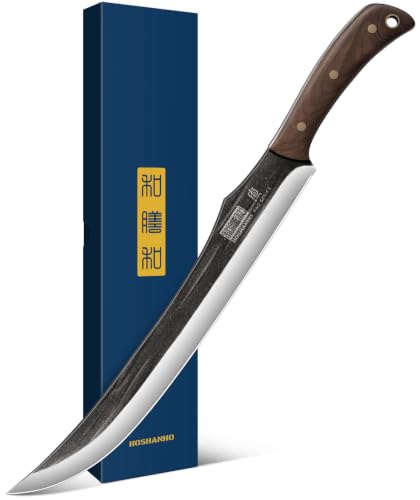
【Japanese High Carbon Steel】HOSHANHO brisket knife for meat carving is crafted from Japanese high carbon steel, undergoing a sophisticated heat treatment process that maintains high hardness while providing excellent toughness. This means the meat slicing knife effectively resists blade breakage from excessive pressure
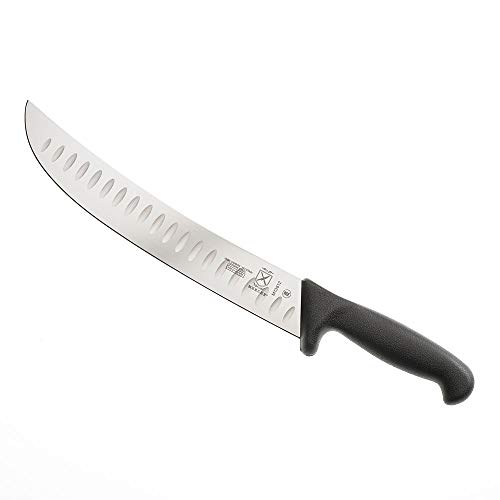
QUALITY CONSTRUCTION: Knife is precision-forged with high-carbon German steel and ice hardened for increased blade strength. Mirror finished blade allows for extra smooth cutting and release

【Extremely sharp knife】When supplying meat such as large pork, lamb or beef, a slaughter meat industrial processing knife is the most suitable tool for this job because it allows you to effortlessly cut through large meat or evenly sized slices.
When a Butcher Cleaver Is the Only Tool for Bone
A butcher cleaver is the ideal tool for splitting through bone when no saw is available. Its heavy weight and wide blade absorb impact, allowing you to drive through softer cartilage and chicken bones with controlled drops. Bone density influences your tool choice—softer bones require less force, while denser, thicker bones demand a heavy, sturdy cleaver. To maximize precision, line up the blade perpendicular to the joint and let gravity assist by dropping the cleaver from a height of 6 to 8 inches. For ribs or natural flex points, a single clean chop is enough to separate bones neatly. When dealing with dense bones, a heavier bone cleaver makes the task easier, but avoid swinging like an axe. Instead, a mallet on the spine of the cleaver can help drive through tough bones with less effort. Always ensure your cutting board is stable and keep your guiding hand behind the cut line to avoid accidents. With these techniques, the cleaver becomes your main tool for decisive bone separation without needing a saw. Selecting the right blade ensures the tool matches the task, just as choosing a grater with the correct surface texture is key for shredding or zesting. For deer processing, a well-balanced cleaver is also essential for efficient bone separation when field dressing the animal.

【Multiuse kitchen axe】This meat bone cleaver knife is double-sided. It’s heavy duty enough for cutting tough meat, chopping ribs, chicken, turkey, sheep bone, cow bone, pig bone, frozen food, wood and so on. The back side serving as a blunt tool for easily cracking through tough bones. This meat bone cutter will be your ideal companion in the kitchen, on hikes, or during camping trips.
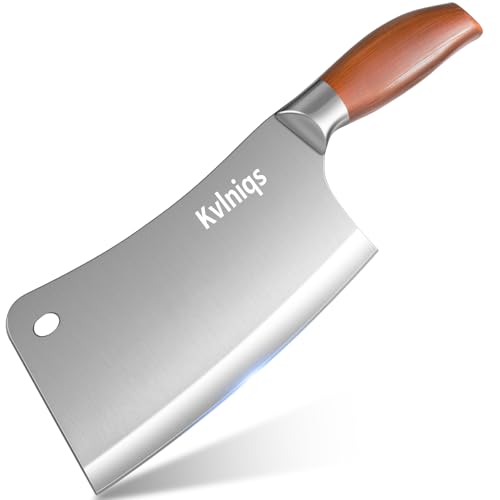
【Durability And Quality】Super sharp meat cutting knife is made of high-quality stainless steel that resists rust, corrosion and discoloration, quickly re-sharpens, easy to clean and maintain. these kitchen knives ensure long-lasting performance, making meal prep effortless and enjoyable for home cooks and professional chefs alike.

①【58±2 HRC HIGH STRENGTH STAINLESS STEEL】- This meat cleaver is crafted with high-quality 7Cr17MoV carbon stainless steel. Simple to say, with this superior steel, you can chop the big guys easily and don't need to worry it rusted after use.
Trimming Butcher Knives for Silver Skin and Detail Work
To effectively trim silver skin and perform detail work, use a sharp, thin knife that easily slides under the membrane without tearing the meat. A rigid boning knife provides controlled trimming on tenderloins due to its stiffness, giving you precise command. For uneven surfaces, a flexible blade follows contours smoothly. Shorter blades offer better maneuverability around seams, while a sharp point helps start an opening flap. Using a flexible, sharp blade ensures the best results for both common removal techniques. Insert the tip under the silver skin, lift a small tab, then pull taut with your free hand. Angle the blade slightly upward toward the membrane, and slide forward in shallow, long strokes. Keep the skin stretched so the knife moves cleanly, which reduces waste. Work in strips, gliding rather than hacking, until the surface is clean. This technique results in less meat loss and a more professional finish. For proper knife maintenance, storing your blades in a magnetic under-cabinet rack protects edges and frees up counter space. For tasks requiring less precision, rotary graters offer a fast, efficient alternative for shredding blocks of firm cheese. Pairing your finished cuts with a high-quality charcuterie board elevates the presentation and practicality of serving meats.

QUALITY CONSTRUCTION: Knife is crafted with one-piece high-carbon Japanese steel for easy edge maintenance and long-lasting sharpness

Sani-Safe product line offers the foremost standard for professional cutlery

FLEXIBLE PRECISION CUTTING The Dexter Russell P94824 Basics 31619 Boning Knife features a 5" curved flexible blade ideal for separating meat from bone with accuracy and control during food prep.
Matching Your Butcher Knife to Specific Beef, Pork, and Lamb Cuts
Matching your butcher knife to specific beef, pork, and lamb cuts ensures clean, efficient results. For beef, a breaking knife is ideal for handling dense primals like briskets and chuck roasts, thanks to its sturdy blade that can saw through tough tissues. A scimitar or curved slicing knife smooths steak portions and thinly slices for serving, providing controlled, clean cuts. A boning knife is essential for separating meat from rib and backbone bones efficiently, with a flexible blade that adapts to intricate cuts. A cleaver tackles joints and large bones with its heavy, broad blade, making tasks like chopping through femurs or shoulders straightforward. When maintaining these knives, using a Fractionated Coconut Oil on the cutting board helps protect the surface and keeps blades in better condition.
Pork work combines breaking knives for larger primals with narrower boning knives for bone-in chops, offering precision around delicate bones and cartilage. For lamb, small bones require more finesse; reach for a boning knife to carefully detach meat near knuckles, while a scimitar or curved slicer handles roasts and larger cuts with clean, even slices. Matching your knife to each specific cut reduces waste, speeds up prep, and ensures consistent results for different cooking methods. Proper tool selection also helps with meat storage, keeping cuts well-maintained and ready for their next step.
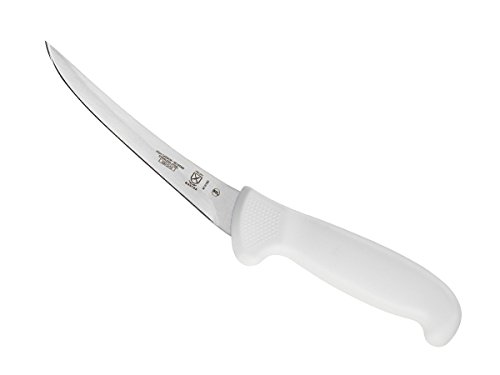
QUALITY CONSTRUCTION: Knives are crafted with high-carbon Japanese steel for easy edge maintenance and a razor sharp blade that lasts
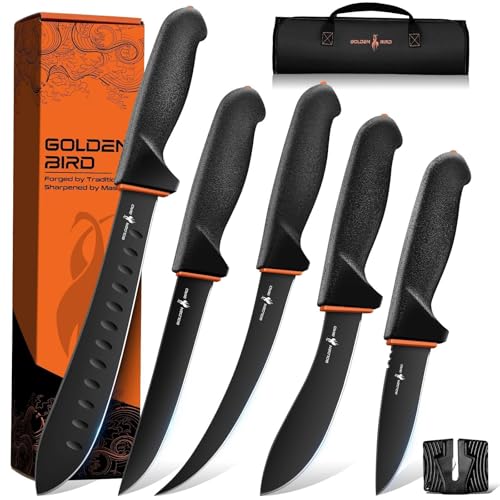
PROFESSIONAL BUTCHER KNIFE SET FOR FIELD & KITCHEN: Meet the ultimate butchering knife set designed for the serious processor. This complete butcher knife set includes every essential meat knife you need: an 8-inch butcher knife for meat cutting, specialized boning knives, and precision skinning knives, ensuring you're equipped from breakdown to final trim.

QUALITY CONSTRUCTION: Knives are crafted with high-carbon Japanese steel for easy edge maintenance and a razor sharp blade that lasts
