
Wondering if acacia wood cutting boards are safe to use? The good news is they are generally safe when finished with food-safe treatments and cared for properly.
Their dense grain helps resist moisture and bacteria, but the hardness can wear down your knives faster than softer woods.
Keep reading to learn what factors make them safe and how to choose and maintain the right one for your kitchen.
Is Acacia Wood Actually Safe for Cutting Boards?
Yes, acacia wood is generally safe for cutting boards when it has been finished with food-safe coatings. Solid, untreated acacia is non-toxic and safe for kitchen use. Concerns about safety usually come from glues or coatings applied to the wood, not the acacia itself. Its dense wood grain resists moisture absorption, which helps prevent bacterial growth. Some sources also suggest acacia has natural antimicrobial properties that support hygiene. To keep your acacia board safe, clean it thoroughly with mild soap and water after each use. Regular drying is key to preventing cracks where bacteria can hide. Applying a finish with food-safe mineral oil or beeswax creates a protective barrier, extending the life of the board. Wood cutting boards are generally considered safe for food preparation when properly maintained, as studies show they can be more hygienic than plastic over time. To further maintain your knives when using this board, be aware that optimal sharpening angles vary for each blade style to balance edge sharpness and durability. Selecting the right kitchen knives for each task also ensures cleaner cuts and reduces strain on your board. Routine care and proper maintenance make acacia wood a safe, durable option for food prep.

FOOD-GRADE MINERAL OIL FOR CUTTING BOARDS: Helps restore and protect dry cutting boards, butcher blocks, and wooden kitchen surfaces. Refreshes dull, worn wood and helps prevent cracking or splitting; works on bamboo, teak, acacia, olive wood, and hardwood boards

NSF CERTIFIED FOOD GRADE - This premium mineral oil is NSF certified and lab-tested to meet the strictest food safety standards. Colorless, odorless, tasteless, and gluten-free — perfect for cutting boards, butcher blocks, and all food-contact surfaces.

FOOD GRADE QUALITY: Premium mineral oil designed for direct and indirect food contact, meeting U.S. FDA regulations and USP standards for maximum safety
Does Acacia Wood’s Hardness Create Safety or Knife Trade-Offs?
Acacia wood’s hardness creates both safety and trade-offs when used as a cutting surface. With a Janka hardness ranging from about 1,430 to 2,200 lbf, it is significantly tougher than traditional woods like maple or walnut. This increased density results in superior dent and scratch resistance, helping your board maintain its appearance longer and reducing the risk of deep gouges that can harbor bacteria. However, the hardness also means it can dull your knives more quickly than softer woods. While acacia is gentler on blades than bamboo, it still introduces a moderate increase in blade dulling compared to softer options. The high cost of premium boards often reflects the design logic behind their construction, from edge-grain durability to aesthetic presentation. For those seeking to balance board durability with knife care, consulting reviews of best cutlery sets can help identify knives that perform well on hard surfaces. This means you might need to sharpen your knives more frequently, but the extended lifespan of your cutting board can offset this inconvenience. For a realistic schedule, you should expect to sharpen kitchen knives every two to three months if using an acacia board daily.
Does Acacia Wood Make a Safer Cutting Board for Bacteria?
Acacia wood can be safer for cutting boards because bacteria tend to get trapped within its porous structure and die off as moisture evaporates. While its hardness helps prevent scratches that can harbor bacteria, the real safety benefit comes from how the wood interacts with moisture and bacteria over time. Studies have shown hardwood cutting boards, including acacia, reduce recoverable bacteria by over 99.9% under drying conditions. Compared to plastic, acacia often harbors fewer recoverable bacteria after contamination and proper drying. However, this doesn’t mean acacia is self-sanitizing. Proper cleaning, thorough drying, and good hygiene practices are essential to maintain safety. The porous nature of acacia traps bacteria, but it also necessitates regular maintenance to prevent buildup and contamination. Using a high-quality cutting board wax can seal the wood’s surface, reducing moisture absorption and further limiting bacterial growth. For example, understanding what makes Damascus knives shows a similar principle that material structure affects safety and durability. Many stylish entertaining boards with handles are also made from acacia, highlighting its popularity for both function and presentation.

BUILT TO RESIST CRACKING: Moisture-controlled acacia, kiln-dried to a controlled 8-12% level and sorted to exclude wood with knots or worm holes, so this wood cutting board set hold up against the splitting and warping thin

Pre-Oiled & Ready for Heavy Use – Each board arrives pre-treated with food-safe oil, creating a smooth surface that resists splitting and staining. Use straight out of the box for slicing meat, chopping vegetables, or serving grilled favorites.

ATELIER COLLECTION, END-GRAIN CUTTING BOARD: Crafted from carefully selected acacia wood, the Socisen Workshop Series cutting board showcases the beauty and resilience of true end-grain construction. Each board is expertly assembled by skilled artisans, providing exceptional durability, natural “self-healing” performance, and a striking checkerboard pattern designed for both daily prep and display-worthy presentation.
Why the Finish and Glue Are the Real Safety Risks to Avoid
The finish and glue are the primary safety risks to avoid because they directly contact your food. Labels like “natural” are unreliable; instead, examine finish labeling carefully. If a finish isn’t explicitly marked as food-safe, it could leach chemicals into your meals. To eliminate this risk, opt for simple, non-toxic options like beeswax or work with unfinished wood. A charcuterie board made from acacia wood is a durable choice, but its finish still determines safety. When selecting a set, consider that quality knife sets often pair well with boards that have a thoroughly cured, food-safe finish.
When it comes to glued boards, scrutinize the adhesive used. Avoid glues containing formaldehyde or melamine, as these chemicals can be hazardous with food contact. Look for adhesives approved for indirect food contact, such as fully cured Type I PVA glues. Don’t assume a product labeled as “wood glue” is automatically safe for food contact. The safety of a glued board depends on its cure state, formulation, and clear compliance claims, not just the brand name. For the cutting board surface itself, regular maintenance using food-grade mineral oil and periodic cleaning with safe cleaning products helps prevent bacterial buildup and extends the board’s life.

Upscale Select Acacia Material: Featuring the upscale natural grain of solid acacia wood, it works as both a prep board and an elegant charcuterie platter. Unlike hard bamboo,cheap plastic and plain stainless steel boards that quickly dull blades, our solid acacia cutting board features naturally gentle wood fibers to cushion knife edges. It minimizes deep knife marks and extends the service life of your premium kitchen knives. it is a ideal & thoughtful gift for housewarming & wedding.

NSF CERTIFIED FOOD GRADE - This premium mineral oil is NSF certified and lab-tested to meet the strictest food safety standards. Colorless, odorless, tasteless, and gluten-free — perfect for cutting boards, butcher blocks, and all food-contact surfaces.
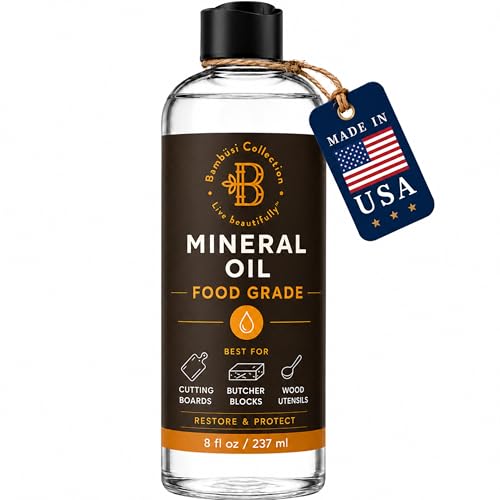
FOOD SAFE MINERAL OIL FOR CUTTING BOARDS: 100% pure food grade white mineral oil with nothing added. Clear, odorless, unscented and tasteless, so it won't change the flavor of food you prep on your board. Safe on wood cutting boards, butcher blocks and any wooden surface that touches food
How Daily Care Keeps Your Acacia Cutting Board Safe
Daily care is essential for keeping your acacia cutting board safe over time. After each use, hand wash the board with mild soap and a soft sponge, then rinse thoroughly. Dry it immediately with a towel and prop it on its edge to allow airflow and prevent moisture buildup, which can cause warping or cracking. Avoid putting the board in the dishwasher or using harsh scrubbers, as these can damage the finish and surface.
For more thorough maintenance, perform a seasonal cleaning using a baking soda paste to remove stubborn stains safely without chemicals. To control odors, wipe the board with diluted white vinegar, then rinse and dry completely. Applying a food-safe mineral oil monthly, or whenever the surface looks dry, sustains the board’s smoothness and prevents cracks. This regular oiling also inhibits bacteria from thriving in damaged areas, maintaining a hygienic surface. Consistent, proper care ensures your acacia board remains safe and functional for many years.
