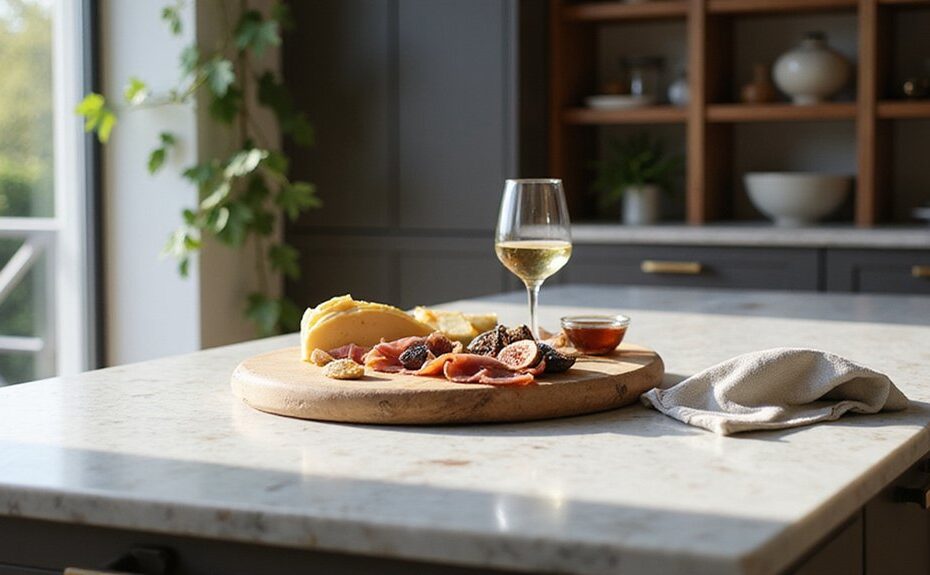
Wondering if you need a license to sell charcuterie boards? The short answer is yes, but it depends on where you’re selling and how you make them.
Since charcuterie boards often include perishable meats and cheeses, most cottage food laws don’t cover them.
Meaning you’ll likely need a few permits to get started.
Keep reading to find out what licenses and approvals you’ll need to sell legally.
Why Charcuterie Boards Aren’t Like Cookies or Baked Goods
Charcuterie boards require strict temperature control because they combine perishable ingredients like meats, cheeses, and fresh produce with shelf-stable items such as crackers and nuts. Unlike baked goods, which are dry and low in moisture, these perishable components support bacterial growth and need to be kept at safe temperatures to prevent foodborne illnesses. Bacteria like Listeria can survive refrigeration, making the risk of contamination higher than with baked products. Moist foods like spreads, fruits, and soft cheeses create an environment that encourages microbial proliferation, especially if left out at room temperature for too long. Therefore, handling a charcuterie board involves continuous attention to chilling and sanitation to minimize health risks. Proper timing and temperature maintenance are not optional but essential parts of serving these foods safely. The high cost of charcuterie boards is also driven by the need for specialized design logic that accommodates both perishable and shelf-stable items without cross-contamination. For those looking to prioritize long-term food safety, investing in quality knife sets can help ensure precise cutting and consistent sanitation. Maintaining a sharp, properly serrated knife is essential for cleanly cutting through dense cheeses and crusty breads without crushing them, and achieving this requires a repeatable technique that restores a keen edge.
Your State’s Cottage Food Law Probably Won’t Cover Charcuterie
Cottage food laws generally do not cover charcuterie boards. Most states exclude meat, dairy, and foods that require refrigeration from cottage food exemptions. Since charcuterie boards include perishable items like cheeses, meats, and soft fruits, they fall outside the scope of typical cottage food regulations. A charcuterie board is essentially a ready-to-eat cold food product, closely resembling the regulated category of a prepared snack tray.
These boards combine ingredients with different storage needs, which most regulations see as a disqualifier. Ingredient regulations specifically ban fresh or dried meats, soft cheeses, hard cheeses, and assembled cold foods. The regulations also classify the product based on its most perishable component. If it contains cheese or salami, it is typically considered a cold or perishable product that cannot be sold under a cottage food permit. Unlike non-porous surfaces, bamboo cutting boards can harbor bacteria in their natural fibers if not properly sanitized.
Expanding a state’s list of allowed ingredients won’t help. You will then face additional requirements such as registration, product dating, and strict temperature control measures. For charcuterie boards that include meat and dairy, a regular cottage food permit is not sufficient. Instead, you’re working within a completely different food regulation category that requires more extensive licensing. Similarly, removing rust from kitchen knives involves avoiding common mistakes that can quietly cause damage, such as using abrasive tools that scratch the blade.
The Three Licenses You’ll Need to Sell Charcuterie Boards
You’ll need three key licenses to sell charcuterie boards legally. First, a food establishment permit is required, which is issued by your local health department to allow the preparation and sale of perishable foods. The application process often takes about 30 days, so plan ahead. Second, you must have a general business license that registers your operation as a taxable entity, regardless of whether you sell in person, online, or at markets. Third, all individuals assembling the boards need a food handler permit, typically earned through a ServSafe course. Don’t forget to obtain a sales tax permit so you can collect and remit state sales taxes. Additionally, strict packaging and labeling rules apply, requiring you to list ingredients and allergens clearly to ensure compliance with local health regulations. Applying top beeswax to your cutting boards can also help maintain their surface and prevent bacterial growth. For slicing ingredients, a high-quality utility knife ensures precise cuts and consistent board assembly. Using plastic boards for ingredient prep can be safe, but you must sanitize plastic boards thoroughly after each use to avoid cross-contamination.

Beeswax Paste is All Natural and Non-Toxic
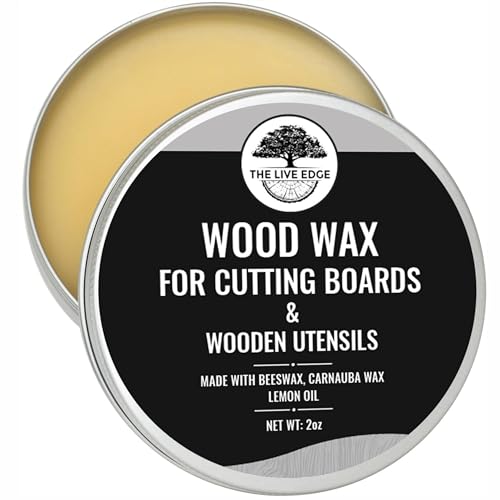
Pure Natural Ingredients: Made with beeswax, carnauba wax, and lemon oil, it provides a natural way to care kitchen tools, wooden utensils, and cutting boards.

SAFE FOR FOOD-CONTACT SURFACES: This cutting board wax is a food grade beeswax for wood that offers a protective barrier for kitchen items, providing safety and integrity in wood furniture polish applications
What Health Inspectors Check for on Charcuterie Boards
Health inspectors focus on four critical areas when evaluating your charcuterie boards: time and temperature control, cross-contamination prevention, sanitization, and proper food storage practices. Perishable meats and cheeses should not be left out for more than two hours; if the ambient temperature exceeds 90°F, this limit drops to one hour. Keep track of the time items are on display, and don’t rely on shelf-stable crackers to extend freshness.
Strict separation between raw and ready-to-eat items is essential. Ensure raw meats are kept separately from cheeses and other cooked or prepped foods. Wash hands thoroughly before handling different ingredients, and swap utensils when switching between raw and cooked items to prevent cross-contamination. Portion dips into small, disposable containers rather than leaving large bowls out.
Sanitizing equipment is vital—clean all tools and surfaces with hot, soapy water after each step, then rinse and apply a sanitizer. Allow everything to air-dry before use. Proper food storage involves keeping ingredients chilled until they are assembled and promptly returning leftovers to the refrigerator after serving. Inspectors will look for residue or signs of wear on cutting boards and utensils that could harbor bacteria. Replenish small batches frequently instead of leaving large platters out for extended periods, maintaining a clean and cold environment to pass inspection. Choosing a durable butcher block board can also help ensure your surfaces resist knife marks and bacterial buildup.

Revitalizing blend prevents drying and cracking of hardwoods and bamboo

FOOD-GRADE MINERAL OIL FOR CUTTING BOARDS: Helps restore and protect dry cutting boards, butcher blocks, and wooden kitchen surfaces. Refreshes dull, worn wood and helps prevent cracking or splitting; works on bamboo, teak, acacia, olive wood, and hardwood boards

SAFE FOR FOOD CONTACT: Specially formulated for butcher blocks, cutting boards, salad bowls, and interior wood surfaces; nontoxic and safe for food contact when fully dried per 21 CFR 175.300
Can You Make Charcuterie Boards at Home?
Yes, you can safely make charcuterie boards at home by following proper food safety practices and manageable steps. Use fresh ingredients and assemble small, made-to-order boards rather than large-scale setups. Always wash your hands thoroughly before handling any food. Use a dedicated serving board—never reuse one that’s been used for raw meat—to prevent cross-contamination. Clean all countertops and utensils with hot, soapy water between tasks, and wash fruits and vegetables before slicing to avoid introducing bacteria. Choosing a top butcher block ensures your board surface is durable and safe for repeated use. Using a santoku knife for slicing meats and cheeses provides precision and reduces the risk of uneven cuts. For best results, maintain your tools with high-quality sharpening stones to ensure they stay effective for precise slicing.
Plan your assembly with a simple workflow. Start by placing cheese first to establish the layout, as its shape can guide the placement of other ingredients. Then, fold or roll meats for easier grabbing and visual appeal. Use small bowls for spreads, jams, or olives to keep everything organized and prevent mixing. Fill any gaps with crackers, bread, fresh fruit, and nuts for variety. Always include serving utensils such as tongs or forks to keep handling hygienic. Pre-cutting cheeses into wedges or slices allows for easier placement on the board and a more structured layout.
Temperature control is critical. Keep perishable items chilled until serving, and do not let the assembled board sit out for more than two hours. Prepare and assemble the charcuterie board just before your guests arrive to ensure everything stays fresh and safe to eat.

Still looking for a cutting board that is both beautiful and practical? THETCHRY end grain walnut cutting board is the ideal choice for you! The unique structure has excellent durability and can withstand heavy cutting without being easily damaged. Its "self-healing" property makes every cut as smooth as silk. The blade cuts between the wood fibers and the fibers quickly close after leaving, keeping the knife sharp as new.

Size: 17.5 in*30 ft, our butcher paper roll is made of high quality paper, very durable and strong.
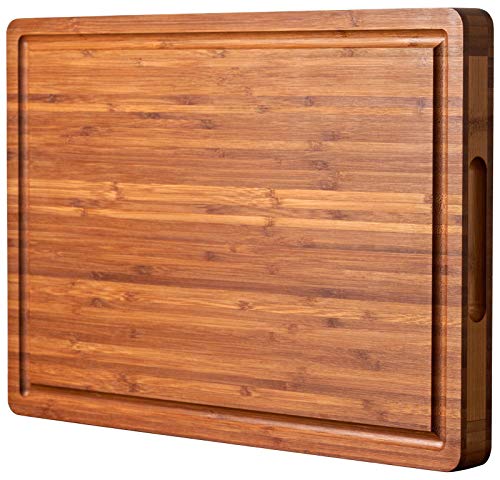
Thicker, Stronger: 1” thick and 3-layers design gives this cutting board greater durability and a longer service life.
Packaging, Labeling, and Allergen Rules for Charcuterie Boards
Once you’ve assembled your charcuterie boards at home, moving to commercial sale requires strict adherence to packaging, labeling, and allergen rules. Your labels must list ingredients in descending order by weight, ensuring transparency for consumers. For food safety, you need to track each component’s allergen profile—cheese contains milk, crackers contain wheat, and nuts require specific tree nut names like almonds or walnuts. Ingredient sourcing is crucial; a single dip might contain hidden soy or sesame, which must be disclosed. Major allergens—milk, eggs, fish, shellfish, tree nuts, peanuts, wheat, soybeans, and sesame—must be clearly listed either in parentheses after each ingredient or in a dedicated “Contains” statement. For example, a high-quality cutlery set would not face these specific labeling demands, but your charcuterie boards must meet rigorous food safety standards. Achieving a perfectly sharp knife for slicing cured meats often requires Japanese sharpening stones to maintain precision and safety. Selecting a versatile chef’s knife is essential for efficiently cutting dense vegetables and cheeses that accompany your boards.
State cottage food laws often require you to include your address, the net weight of the product, and a statement indicating the item is homemade. Omitting this information can halt your sales or lead to regulatory issues. Proper labeling not only ensures compliance but also helps protect your customers and builds trust in your products.

Size: 1x2 inch, 500 Pcs stickers.

Value Combo Pack: This bundle includes 500 Cottage Food Law disclosure labels and 500 Food Allergy Notice stickers, total 1000 adhesive labels to meet daily homemade food packaging demands, great for home bakers, cottage food operators, pastry makers.

Quality Material: Crafted from durable paper material, these food allergy alert stickers are built to last, ensuring the text remain sharply detailed and fade-resistant over time. Ideal for labeling cookies, cupcakes, pastry packages, and other baked items, guaranteeing durability in busy kitchens.
The Quickest Way to Get Clear Answers for Charcuterie Board Sales
The quickest way to get clear answers for charcuterie board sales is to contact your state’s Department of Agriculture or Health Department. These agencies will clarify whether your product falls under retail food, catering, or cottage-food regulations, which is essential for proper licensing and compliance. Once you have that information, reach out to your city or county business-license office; many jurisdictions require a general business license regardless of food-specific rules.
Ask the local health department to classify your operation—whether it’s food service, catering, retail, or a home-based business—as this classification determines your permit requirements. It’s important not to skip checking if a commercial kitchen or commissary is mandatory, nor whether you need a seller’s permit for direct sales like online or farmers’ markets. Sourcing ingredients also plays a role; buying perishable meats and cheeses typically results in stricter oversight than shelf-stable goods.
Verify if you need to register for sales tax, especially for direct-to-consumer sales at markets or online. Lastly, review your state’s food code and county rules in writing. Having the official documentation ensures you get fast, accurate answers without guesswork. For a related product category, consider reviewing top wood cutting boards that often feature rubber feet for stability and durability.

The cutting board feet size is measure 0.27 inches (0.7 cm) tall, with a top width of 0.38 inches (0.8 cm) and a bottom width of 0.48 inch (1.2 cm), ensuring a perfect fit for various applications.

Surface Water Protection: Helps protect cutting board from surface water by elevating the board above countertops and other surfaces

Enlarged Silicone Pads: Made of oversized silicone for stronger anti-slip performance, securely holding cutting boards in place and preventing sliding.