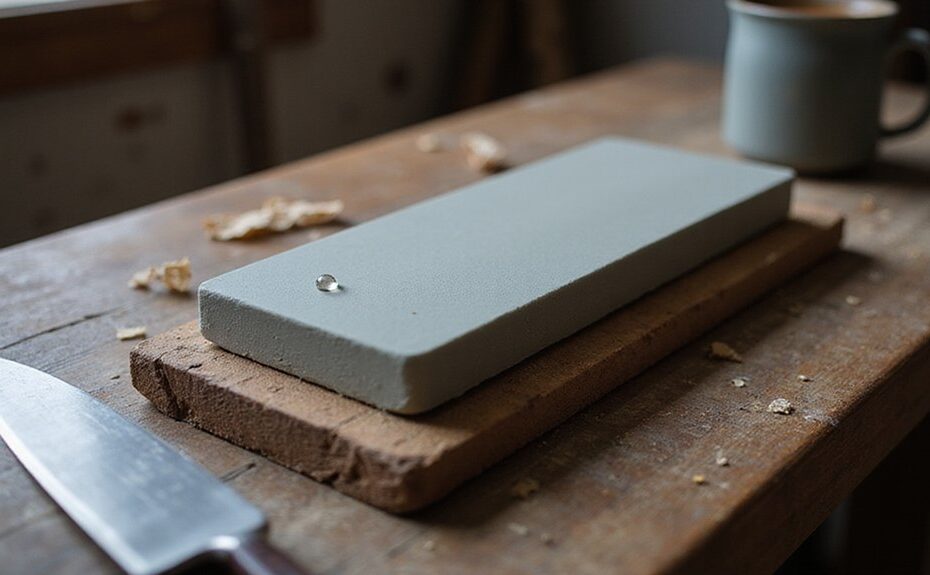
Wondering whether your sharpening stone is oil or water-based? It’s a common question because using the wrong type can affect how well your blades sharpen.
The easiest way to tell is by looking at the stone’s label or performing a simple water-drop test. Keep reading to learn how to identify your stone with a few quick tests and observations.
Why Knowing Oil vs Water Stone Matters
Knowing whether you have an oil stone or a water stone is crucial because using the wrong lubricant can ruin your sharpener. Oil stones, such as Arkansas or Washita novaculite, are bonded with harder, denser abrasives designed to resist oil’s viscosity, which means oil helps them cut evenly and reduces the need for frequent flattening. For example, these dense abrasives are specifically formulated to function with oil, not water. Water stones, typically Japanese, use softer, friable binders that release fresh grit quickly when soaked in water, enabling faster sharpening. However, applying oil to a water stone will clog its pores permanently, impairing its performance and speeding up wear. Conversely, water won’t lubricate an oil stone properly, slowing down the sharpening process and risking damage. Correctly matching the lubricant with your stone type ensures optimal cutting performance, minimizes costly mistakes, and keeps your workflow safe and efficient. For best results, store your sharpening stone with a compatible top knife set block to keep your tools organized and protected. Many kitchens pair a dedicated sharpening station with a cutting board featuring juice grooves to catch fluid and debris while working.
Visual + Material Clues: Is It Novaculite or Soft Binder?
To tell whether your stone is oil-friendly novaculite or a soft-binder water stone just by looking at it, focus on its material texture. Novaculite feels dense, smooth, and compact, with a surface that’s almost waxy or glassy. It typically has a uniform, tight appearance without visible pores. A soft-binder water stone, on the other hand, appears more porous and earthy, often showing a looser, more crumbly structure because it’s bonded with a softer material. Choosing the right sharpening stone is similar to selecting top knife holders for your kitchen, as both require matching the tool to the specific task.
Next, examine the fracture appearance. Break the stone if possible. Novaculite tends to show a conchoidal, shell-like fracture, which is common in natural quartzite. This type of fracture produces clean, curved lines. Soft-binder stones lack this feature; instead, they crumble or break unevenly and reveal a chalky or friable interior. Just as a novaculite stone’s smooth density influences its sharpening characteristics, optimal knife angles vary by blade style to balance sharpness and durability.
The Water-Drop Test: Does It Soak In or Bead Up?
If the water soaks in quickly and darkens the stone, it’s a water stone. This porous quality allows water to penetrate easily, making it ideal for forming a slurry during sharpening. When you place a few drops of water on the surface, watch how it reacts. Fast absorption and darkening are strong signs you’re dealing with a water stone. As with other porous kitchen tools, exposure to moisture can lead to hidden damage if not properly maintained. Water stones are generally more affordable, but they wear down faster, requiring more frequent flattening to stay effective.
If instead the water beads up and stays on top, it’s likely an oil stone. Its dense structure repels water, preventing it from soaking in. To be sure, test a couple of spots—especially on a worn or used stone. Because old oil residue can hide the true nature, cleaning the stone first and then retesting helps ensure an accurate read. This careful testing matters because the choice between stone types affects both your sharpening technique and tool maintenance, much like how the material costs and design logic behind premium kitchen tools influence their everyday performance and longevity.

Beginner-Safe Angle Control (No Guesswork): This whetstone knife sharpener features built-in adjustable angle guides (15° / 17° / 20° / 22°) to help beginners maintain a consistent sharpening angle. Reduces uneven edges and protects expensive knives — unlike cheap sharpening stones that rely on freehand skill.

【Complete Knife Sharpening Stone Kit】You don't need to be a Pro to sharpen your blades, all you need is the right tools & technique. All the sharpening tools you need are here, one affordable set for you: 400/1000 & 3000/8000 grit whetstone; Coarse flattening stone; Non-Slip Bamboo base; Knife sharpening angle guide; Leather strop, a simple instruction manual about how to use and what does every component do.
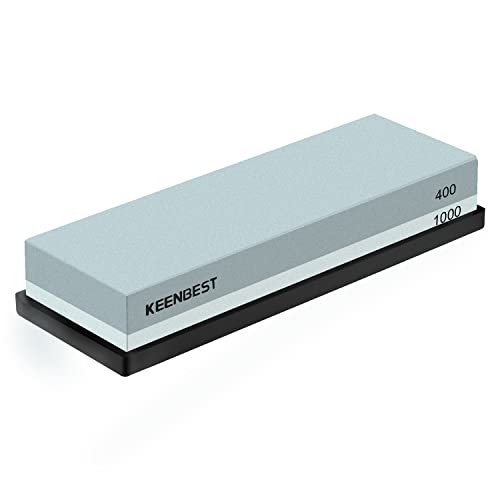
No oil needed, just put the stone into water for 10-15 minutes before using and they are ready to use. You can always adding water on it while sharpening, with water the lubricating effect of grinding will be great and helps you to save strength
What If the Test Is Inconclusive? Check for Contamination
If the water-drop test is inconclusive, it indicates you should check for contamination. Rub the stone with a white cloth; an oily residue suggests prior oil use. Look for glazed patches where oil has clogged the pores. Scrub the stone with warm water and dish soap, then dry it and observe if water still beads up. If greasy film persists after several scrubbings, perform an extended cleaning by repeating the process multiple times. If, after thorough cleaning and drying, the stone still repels water or shows darkened spots that do not fade, contamination is likely deep-seated. Persistent oily behavior is a strong indicator of contamination. In such cases, avoid assuming the stone’s type based on appearance and treat it as contaminated. Since chemical analysis isn’t practical here, rely on the oily residue and water repellency to determine contamination status. A high-quality santoku knife requires consistent stone maintenance to avoid such issues. Understanding the proper lubricant choice can prevent these problems from the start. To prevent confusion in the future, keep oil stones and water stones separate. Just as with cutting boards, contaminated sharpening stones can behave unpredictably and resist proper cleaning if the wrong medium has been absorbed.

SOLVE ALL CLEANING WORKS WITH THE WHOLE SET: The griddle cleaning kit includes 5pcs scouring pads and 1pc cleaning handle, comes in an exquisite package. This griddle cleaning kit not only for griddle cleaning but also for your kitchen

NUBUCK CLEANER SOLUTION WITH BRUSH: Its formulated to be effectively to remove stains and dirt from suede shoes of all colors, this versatile cleaner ensures the preservation and rejuvenation of your footwear.

Marble Polishing - MB-11 Touch-Up Etch Remover for light to medium etches (Not suitable for Etches that are rough to the touch or impregnated stains, Not for Dark Stones, honed or Matte finish Surfaces, some etches and stains will require repeated, additional effort to get desired results) combines specialty abrasives and catalysts, making marble polishing streamlined without any power tools.
How It Behaves During Sharpening: Slow or Fast Cutting?
During sharpening, you can determine the type of stone by how quickly it cuts. A water stone cuts fast because its softer binder releases fresh abrasive grit that creates a slurry, which speeds up metal removal. This slurry, combined with the stone’s aggressive action, causes bevels to form rapidly. In contrast, an oil stone cuts more slowly since its binder holds the abrasive grit tighter, reducing slurry formation. Metal removal feels steadier and more controlled, and the stone stays hard under the blade. The water-based slurry also helps float away metal particles, preventing clogging and maintaining cutting efficiency. If you notice rapid metal removal and a breakdown of the surface, it’s likely a water stone. If the cutting feels deliberate and surfaces wear gradually with minimal slurry, it’s an oil stone. Waiting too long to sharpen can lead to dull knives that require more effort to restore. The difference in cutting behavior provides an instant, tactile indicator of the stone type. Choosing a high-quality cutlery set often depends on the sharpening tools you prefer.
What the Packaging or Label Says About Lubricant
Packaging and labels often reveal whether a product is oil-based or water-based. Look for specific wording like “oil stone,” “bench oilstone,” or “use with honing oil,” which indicates an oil lubricant. If you see terms such as “water stone” or “Japanese waterstone,” it means water is used as the lubricant. Instruction sheets provide the clearest guidance—search for phrases like “use with oil” or “lubricate with water.” If the packaging states “soak in water” or “apply oil before sharpening,” follow those instructions carefully. Safety sheets are also helpful, especially if the packaging is vague, as they confirm whether the product is oil-based. When labels are unclear, pay close attention to every printed clue to ensure you select the correct lubricant for your sharpening needs. For those evaluating Japanese folding knives, the same careful attention to labeling helps confirm the quality and performance of the blade steel.
What If It Was Used With the Wrong Lubricant?
If you’ve used the wrong lubricant on your sharpening stone, the damage varies based on the type of stone. Applying water to an oil stone is less damaging because water usually beads on the surface rather than soaking in, which means it temporarily reduces lubrication and cutting efficiency. You might notice the stone feels sluggish, but performance often improves after drying and reapplying oil. However, applying oil to a water stone is much worse. Oil penetrates the pores and blocks water absorption, leading to permanent damage. This prevents the stone from forming slurry and cuts properly. The stone can become greasy and unresponsive. The extent of damage depends on the stone’s porosity—more porous stones absorb oil deeper, making repair nearly impossible. Using safe cleaning products regularly can help prevent contamination buildup. Once oil contaminates a water stone, restoring it fully is unlikely, even after repeated cleaning. In most cases, replacing the stone becomes the practical solution. For maintaining the performance of your knives, consider investing in affordable Japanese knives as recommended by quality reviews.

Knife Sharpener Stone Sharpening Oil to be used with your favorite sharpening system and Oil Stone to revitalize, maintain and preserve your tools, kitchen knives, utility knife and more

Professional Whetstone: 2 whetstones have difference grit which are 400/1000 and 3000/8000. The grit is accurate. 4 sides grit are satisfy with any knife blade needs. 400/1000 grit is typically used to repair knives with chipped edges and sharpen dull knives. 3000/8000 grit used to refine the edge and provide extra fine finish/polish on your blades.

HONING SOLUTION – Smith’s Honing Solution features built-in stone cleaning agents and rust corrosion inhibitors and it can be used on all sharpening stones. This non-petroleum-based honing oil will prevent your sharpening stones from clogging.
How to Conduct a Safe, Reversible Test on a Small Area
To conduct a safe, reversible test on your water stone, start with a small, inconspicuous area. Place 1–2 drops of clean water on the surface. Watch how the water behaves—if it quickly darkens or absorbs into the stone, it indicates a porous water stone. If the water beads up or remains on the surface without soaking in, you’re likely dealing with an oil stone. This quick response confirms the porosity type without causing damage. After observation, blot the spot dry immediately. This reversibility is key; it ensures your test leaves no lasting marks. For stones that do not absorb water, applying high-quality honing oil can enhance sharpening performance and protect the surface. Avoid flooding or scrubbing the surface, as residue might skew results. This method provides a safe, simple way to identify your water stone’s nature without risking permanent harm. For a sharper alternative, consider that serrated knives require a rod specifically designed for their teeth. For even better results, upgrading to a top meat slicer ensures consistently perfect cuts without the guesswork of stone identification.
Still Not Sure? Search for Your Oil or Water Stone Brand
If you’re unsure whether your stone is an oil or water type, the easiest way to identify it is by looking for brand or model markings. Many Japanese water stones like King, Shapton, Naniwa, and Suehiro typically require water, while Western-style oil stones such as Norton and Arkansas are designed for honing oil. Examine the stone itself, its box, or sleeve for brand names, logos, or model numbers.
Next, check the product line features. King water stones are standard soaking types, while Shapton Kuromaku and Glass are splash-and-go water stones. Naniwa Chosera and Professional lines are also water stones. Conversely, Norton India and Crystolon products explicitly specify use of honing oil. Suehiro’s CERAX line is strictly water-only. Product line names can help confirm your stone’s designation just as much as the brand.
Inspect the lubricant instructions in the product listings or labels. Water stones usually specify “use water only,” whereas oil stones instruct you to “use honing oil.” If still uncertain, consider the typical market origin: Japanese-style stones are almost always water stones, while Western tool stones tend to be oil stones. Comparing these factors generally clears up the type without guesswork.

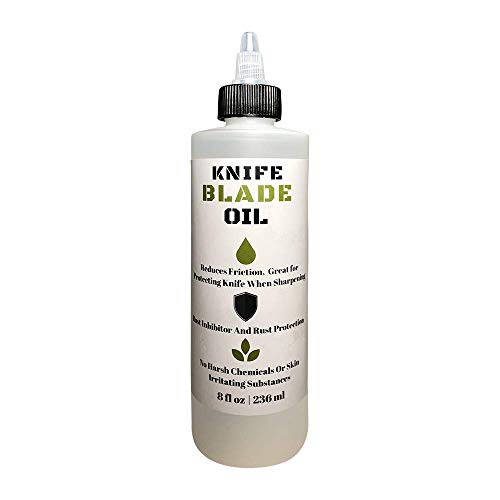
Made for Knives and Sharpening Stones: A light, clear honing oil that floats away metal particles while you sharpen, so your stone cuts cleanly and does not clog. Works on oil stones, Arkansas and India stones, diamond plates, sharpening steels and guided sharpening systems.

3 oz bottle