Ever wonder what makes a Santoku knife different from other kitchen blades? This versatile knife is known for its ability to handle slicing, dicing, and mincing with ease, thanks to its wide, flat blade and rounded tip.
Typically shorter and lighter than a chef’s knife, it’s a favorite for precise, straight-down cuts.
Keep reading to discover how its edge and steel choices can impact your cutting experience.
What Exactly Is a Santoku Knife?
You’ll appreciate the wide blade, typically around 5 to 7 inches long, which provides ample knuckle clearance and makes scooping ingredients easier. Handle materials vary from traditional wood to modern synthetic composites, each offering a secure grip that reduces slipping during use. The rounded tip and lightweight design contribute to nimble control, making the santoku a versatile and reliable choice for home kitchens. Many of these knives are designed with high-quality steel that maintains a sharp edge through repeated use, similar to the durable materials found in top-rated utility knives. For example, like plastic cutting boards, these knives require careful maintenance to avoid damage from high dishwasher heat that can warp handles or dull blades over time. For top-tier selections, the best santoku knives are often reviewed based on quality, performance, and value to help buyers choose.
How the Santoku Knife Got Its Name
The name “Santoku” directly reveals the knife’s primary purpose: versatility. Derived from the Japanese characters 三徳, where “san” means “three” and “toku” means “virtue” or “use,” the term emphasizes the knife’s capability to handle multiple tasks. Commonly, these “three virtues” are slicing, dicing, and mincing, or alternatively, preparing meat, fish, and vegetables. Although the specific three may vary in interpretation, the overall idea is that this knife is a multifunctional tool. While some premium Santoku knives feature Damascus steel patterns for aesthetic appeal and corrosion resistance, the core value remains its versatility. For those seeking the best premium Japanese kitchen knives, the Santoku often stands out for combining excellent performance with everyday practicality. Comparing its performance to Western chef’s knives reveals why it is often considered a top value choice in many cutlery sets.
This naming reflects a shift in Japanese household cooking during the mid-20th century, focusing on practicality rather than specialized knives. The word “Santoku” distinguished this knife from single-purpose options, embedding a broad utility into its very identity. Before you even hold it, the name suggests a versatile, all-in-one kitchen tool designed to handle a variety of ingredients with ease.
Santoku vs. Chef’s Knife: Real Differences
A santoku knife and a chef’s knife differ significantly in design and function, making each suited for specific tasks. The santoku features a flatter edge and sheepsfoot tip, which favor vertical push-cutting and provide cleaner contact with the cutting board. Its shorter, lighter build feels more compact, ideal for precise work on vegetables and fish. In contrast, the chef’s knife has a curved belly and pointed tip, supporting a rocking motion suitable for bulk preparation and general chopping.
These differences also reflect cultural influences: the santoku embodies Japanese precision and minimalism, while the chef’s knife reflects Western durability and versatility. The santoku’s thinner blade, combined with Granton indentations, helps reduce food sticking during slicing. Conversely, the chef’s knife often has a thicker, bolster-heavy structure to withstand tougher tasks and provide balance for longer periods of use.

QUALITY CONSTRUCTION: Knife is crafted with one-piece high-carbon Japanese steel for easy edge maintenance and long-lasting sharpness

Perfect for cutting everything, from meat to vegetables and fruit

CUTLERY ESSENTIAL FOR EVERYDAY PREP: This 5 inch santoku knife handles precision slicing, dicing, chopping, and mincing with ease; oval indentations along the blade prevent food from sticking so every cut stays clean and efficient
Santoku Blade Shapes and Sizes: What to Look For
Blade lengths for santoku knives typically range from 165 mm (about 6.5 inches) to 180 mm (7.1 inches). A 170 mm (6.7 inches) blade often hits the ideal middle ground for most cooks, offering versatility and control. A 6-inch (about 165 mm) blade fits well in tight kitchen spaces, making it easier to maneuver, especially for small prep tasks. A 7-inch (around 180 mm) blade provides more surface area, which is great for larger vegetables or meats, allowing for more efficient slicing. Since cutting boards vary in size and durability, wood cutting board materials can influence how your blade edge performs over time.
The shape of the blade matters as much as the length. The flat edge and rounded sheep’s foot tip are designed for straight-down push cuts, not rocking motions. This makes a santoku excellent for precise chopping and slicing, but less suitable for tasks that require a rocking cut like a traditional chef’s knife.
Blade material influences durability and sharpness retention. Harder steel blades tend to hold a fine edge longer, reducing the need for frequent sharpening. On the other hand, softer steels are easier to sharpen but may require more frequent touch-ups. When comparing different knives, affordable Japanese knives often strike a strong balance between edge retention and price. For storing these valuable blades, selecting best pocket knife storage cases can help protect their edges from damage during transport or when not in use.
Handle ergonomics play a crucial role in comfort and control. A handle that fits well in your hand reduces fatigue during extended use. Taller blades—around 1.5 to 2 inches (3.8 to 5 cm)—offer better knuckle clearance and make it easier to scoop chopped ingredients from the board. Matching your knife to a surface that won’t dull its edge is key, and choosing a board with a softer grain can help preserve that sharpness.
If you want less food sticking to the blade, look for santoku knives with granton-style indentations—these small grooves create air pockets that reduce friction and buildup during slicing. Your choice of blade size and shape depends on your hand size, prep style, and the types of food you most often work with.

【Ultra-Sharp Santoku Knife】This 5 inch chef knife features a hand-polished 15–18° edge for clean, precise cuts with less effort. The 2.3mm blade offers a balance of sharpness and durability for everyday kitchen prep, from vegetables and fruit to meat and fish.

High-quality stainless steel blade

Variety of innovative new knife and block styles let home cooks customize their cutlery collection
Which Tasks Does a Santoku Knife Handle Best?
A santoku knife handles best vegetable prep, boneless meat portioning, and clean seafood cuts. Its straight-edge design and wide blade make it ideal for swift, controlled downward motions, which are perfect for tasks like dicing, chopping, and slicing. You’ll find it useful for cutting carrots into uniform pieces, chopping herbs efficiently, and slicing fish fillets with precision. Its ergonomic handle reduces wrist fatigue during repetitive tasks, and the flat blade helps maintain a stable, consistent cut. You can also mince shrimp or portion cooked chicken breast effectively. However, avoid using it on bones or frozen foods, as it is not designed for heavy-duty tasks. For maintenance, remember that serrated knives require specialized sharpening rods to restore their edge properly. A pocket sharpening stone is a convenient tool to keep your santoku edge honed when you are away from a full sharpening station. Keep your santoku for the vegetable, fish, and boneless meat preparations where it truly excels. Unlike metal blades, ceramic knives are prone to chipping if used on hard ingredients like bones.

67 layers of Damascus steel for a harder blade that stays sharper longer with an ergonomic Pakkawood handle for precision and control. Made utilizing the 3-step Honbazuke method – an advanced heat treatment to achieve a combination of hardness and flexibility that creates an exceptional 12-degree cutting edge.

ALL-PURPOSE KITCHEN KNIFE - This santoku knife versatile design provides excellent control when chopping, dicing, mincing, or vegetables, poultry, roasts, and more.

Japanese Santoku Knife: The 7-inch Santoku knife is shaped for slicing, dicing and mincing in daily prep, helping this Japanese chef knife handle vegetables, onions, herbs, boneless meat and fish with balanced cutting control.
Single Bevel vs. Double Bevel: Which Edge Is Right for You?
A double bevel edge is the better choice for most kitchens due to its ease of maintenance, durability, and versatility. It is sharpened symmetrically on both sides, making it more beginner-friendly and suitable for a wide range of tasks like chopping, slicing, and dicing. With a double bevel, you can sharpen it using standard tools and techniques without risking damage to the blade’s original shape. This type of edge tends to last longer under regular use because it distributes the cutting force evenly on both sides. However, the specific sharpening angles for kitchen knives typically range from 15 to 20 degrees per side for double bevel edges, balancing sharpness and durability. Properly maintaining the blade’s companion surface, such as a cutting board, requires applying multiple thin coats of mineral oil to protect the wood and prevent cracking. When selecting a knife set, focusing on overall value and performance can help you avoid paying extra for features you won’t use.
In contrast, a single bevel edge is sharpened on only one side and offers greater precision for specialized cuts, often used in traditional Japanese knives or for particular culinary techniques. However, it requires more skill to sharpen correctly, as preserving the original bevel angle is crucial and not forgiving of mistakes. Additionally, single bevel edges tend to wear down faster if subjected to heavy use, and their maintenance may involve more nuanced sharpening processes. For everyday cooking and ease of use, a double bevel edge generally provides a more reliable and practical option.
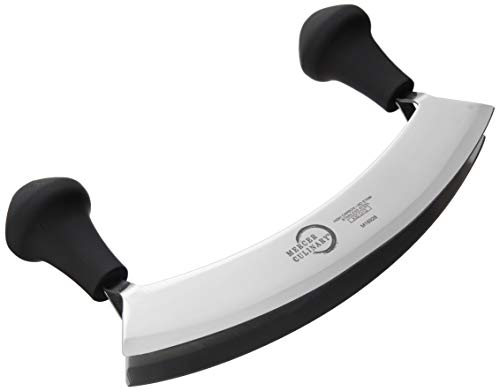
QUALITY CONSTRUCTION: Made with razor sharp Japanese steel double blades to make clean cuts and help with more efficient production
![Kitchen Knife Sharpener [ Made in Japan ] 3-in-1 Design for Single Bevel, Double Bevel, and Scissors](https://m.media-amazon.com/images/I/31LfzSw0+SL._SL500_.jpg)
Triple-Action Sharpening: This versatile sharpener features a unique 3-in-1 design to easily sharpen double-bevel knives, single-bevel knives, and scissors, covering all your essential kitchen cutting tools.

【PREMIUM MATERIAL】KEEMAKE KIKU series Japanese deba knife is crafted out of premium Japanese 440C high carbon stainless steel with 58+ HRC and have the effect of increasing strength (sharpness and abrasion resistance) and sticky (hard to chip). Recommend Japanese 440c steel Japanese knife because of their characteristics: ease of re-sharpening, good durability and rust resistance, and edge retention
Santoku Knife Steel Types and Handle Styles Explained
The steel type you choose for a santoku knife significantly influences its performance and maintenance needs. Stainless steels like VG-10 or AUS-10 are popular because they resist corrosion and are easier to maintain, making them ideal for everyday kitchen use. Carbon steel, on the other hand, can be sharpened to a finer edge and generally sharpens more easily, but it requires diligent drying after each use to prevent rust. If you want a balance, high-carbon stainless blends or premium powders like SG2 offer excellent edge retention, which means they stay sharp longer between sharpenings. For buyers who also prioritize a complete kitchen setup, a white knife set with block can provide both a high-performance santoku and convenient storage. Proper cutting technique with a santoku, including a safe grip and stable hand placement, shares similarities with using herb scissors to avoid slips and injuries. Those selling charcuterie boards as a business must similarly check local licensing requirements to avoid legal issues.
How to Sharpen, Clean, and Store Your Santoku Knife
To keep your santoku performing at its best, focus on three key areas: sharpening, cleaning, and storage. For sharpening, use a whetstone every 4 to 8 weeks depending on daily use. Maintain a 12 to 15-degree angle per side and sharpen from the heel to the tip until you feel a consistent burr. Finish with a fine grit stone and a leather strop. This routine respects the blade’s ergonomic design and preserves its sharpness.
Clean your santoku with warm water, mild soap, and a soft sponge immediately after use. Avoid putting it in the dishwasher, using steel wool, or soaking it, as these can damage the blade. Dry it thoroughly with a lint-free towel to prevent corrosion and which could dull the edge over time. Applying mineral oil care to the wooden handle can also help prevent cracking and prolong its lifespan. Using a cutting board with feet can improve your prep surface stability and protect the blade edge from accidental damage.
Store your knife in a dry place using a knife block, magnetic strip, or with a blade guard to protect the edge. Never toss it loose in a drawer, as that can dull the edge and damage the handle. Proper storage maintains the knife’s sharpness and prolongs its lifespan.
3 Quick Tips for Choosing Your First Santoku Knife
To choose your first santoku knife, focus on three main factors: blade length, steel type, and handle feel. Start with a blade length of 170 to 180 millimeters. This size offers a good balance between control and versatility for most kitchens. A shorter blade might limit your chopping space, while a longer one can feel less nimble and more cumbersome. Next, go for stainless steel like VG-10, which resists rust and requires less maintenance than carbon steel—ideal for beginners still learning proper care. Finally, test different handle styles to find the most comfortable grip. Western-style handles are familiar and provide a secure hold, while Japanese wa handles are lighter and may feel more balanced. The key is selecting a knife that feels balanced at the blade and handle, enhancing your control and making cooking more enjoyable.

The Universal Series Santoku knife has an Asian design ideal for preparing meat, fish and vegetables. It is distinguished by its perfect balance and its sharp blade. The alveoli facilitate cutting, preventing food from sticking to the blade. In addition to having a good surface finish, it has rounded lines to improve grip.

All-Purpose Precision: The Japanese Santoku Knife is expertly designed to handle a variety of culinary tasks, making it perfect for slicing through vegetables, fish, and meat effortlessly. Its versatile nature allows for seamless meal preparation without the need for multiple knives.
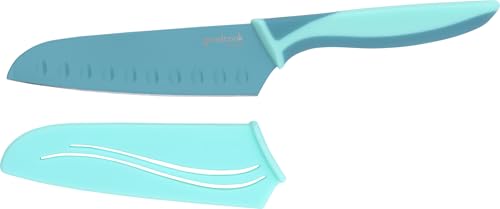
Chop, cube, dice and slice fruits, vegetables and meat