Wondering whether ceramic or metal knives are better for your kitchen? The choice mainly depends on what matters most to you—sharpness, durability, or ease of maintenance.
Ceramic knives stay razor-sharp longer, while metal ones are more resilient to drops and tough use. Keep reading to find out which knife type suits your cooking style best.
Why a Ceramic Knife Stays Sharp Longer Than a Metal Knife
Ceramic blades stay sharp much longer than steel due to their composition from ultra-hard zirconia. This material resists abrasion far better, preventing the microstructural deformation that softens metal edges over time. As a result, your ceramic knife maintains its fine cutting geometry with minimal wear, allowing it to slice through fruits and vegetables effortlessly. The steel blade, in contrast, dulls within weeks as its softer metal wears down and loses its sharpness. The hardness of ceramic prevents the edge from bending or rounding off, meaning you can enjoy razor-sharp cuts through hundreds of slices without frequent sharpening. This durability reduces the hassle and maintenance time needed to keep your knife performing at its best. For those seeking a balance of performance and value, a top-rated cutlery set often includes both ceramic and metal options to suit different tasks. Similarly, just as you would use cutting board oil or conditioner to protect wood surfaces, choosing the right knife material ensures longevity and performance for your kitchen tools. In fact, Japanese knives made from high-carbon steel are often recommended for their exceptional edge retention, though ceramic still outperforms them in resistance to dulling.

Razor-Sharp Blades: The stainless steel blade brings top efficiency and durability to save more time in everyday food preparation.
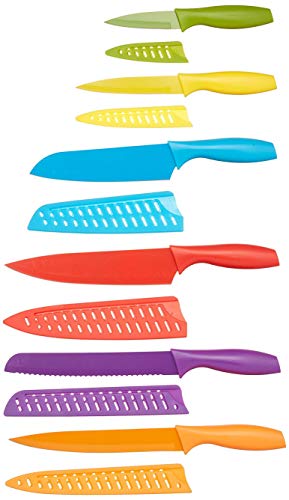
12-piece color-coded knife set includes 6 knives with matching knife covers; Knives include: paring knife, utility knife, Santoku knife, carving knife, chef’s knife, and bread knife
Where a Metal Knife Beats a Ceramic Knife in Durability
Metal knives generally outperform ceramic knives in impact resistance, lateral stress tolerance, and mishap survivability. Dropping a ceramic knife risks chipping or shattering it, while stainless steel knives tend to absorb impacts much better, often with only minor damage. Steel blades are also more resilient to twisting or prying forces; handling side loads like bending or prying often leads to cracks or breaks in ceramic blades, but steel withstands these stresses without issue. When contacting hard foods such as bones or frozen items, steel is less likely to chip or shatter because it bends rather than breaks under stress. In accidental drops or impacts on hard surfaces, metal knives are more capable of surviving without catastrophic failure. This durability aspect is crucial if you want a knife that can handle rough use and accidental mishaps without immediate destruction. For those who also maintain cutting tools, mastering the correct angle helps restore a keen edge on curved scissors regardless of material. Just as with charcuterie boards, where gluten-free certification ensures safe handling of cross-contamination risks, knowing your knife’s material limits prevents unexpected breakage during heavy-duty tasks. Using a durable knife sheath can further protect the blade from impacts and storage damage.
Which Knife Is Easier to Maintain: Ceramic or Metal?
Ceramic knives are easier to maintain than metal knives. Their non-porous surface resists stains and odors, so you can simply wash them by hand with mild soap. They also resist rust, meaning you don’t need to dry them immediately after rinsing to prevent corrosion. In contrast, metal knives require more regular attention; they often need drying to avoid rust and corrosion over time. For storage, magnetic knife strips offer a convenient way to keep metal knives dry and well-ventilated between uses. Cleaning ceramic knives involves very little effort—just hand wash and dry. Sharpening, however, is infrequent, typically needed only every seven years, and requires diamond tools or professional service. Metal knives need more frequent sharpening, often annually, but you can hone and maintain them yourself with a sharpening stone or honing rod. For tasks like grating cheese or vegetables, a box grater is a far more versatile tool than any knife. A rotary cheese grater offers a more efficient and safer alternative for grating hard cheeses than either knife type.

Ceramic Blade That Will Not Rust: There is no metal in this blade, so it will not rust, corrode or pit. It will not react with acidic food either. Lemon, tomato and vinegar prep leaves no trace.

【Food-Grade Stainless Steel Construction】: Crafted from premium food-safe stainless steel, these steak knives boast exceptional durability for long-term use. Their sharp serrated edges glide through meats, bread, and more with effortless precision, ensuring smooth, clean cuts every single time

Premium ceramic blade : 2mm thick ceramic blade delivers precise, smooth cuts while maintaining long-lasting sharpness and resisting rust
Best Uses for Ceramic vs. Metal Knives in a Real Kitchen
Ceramic knives are best suited as precision tools for delicate slicing tasks. Their blades excel at cutting soft produce like tomatoes, citrus, or cucumbers without applying crushing force, which helps preserve their color and texture. They are also ideal for slicing boneless proteins such as chicken breast or sushi-grade fish, providing clean, uniform portions without tearing. The ergonomic design of ceramic knives reduces fatigue during repetitive, fine slicing, making them perfect for detailed work like cutting herbs or filleting fish. However, they are not designed for heavy-duty tasks or twisting motions, as the blades are prone to chipping when subjected to force or impacts like bones or frozen foods. To maintain their edge safely, use water on sharpening stones designed for non-metal blades to avoid abrasive damage. Wetting the stone helps prevent heat damage and flush away metal particles, preserving the sharpening surface. Use ceramic knives for presentation or tasks requiring precision, and reserve metal knives for tougher, more demanding jobs. This division enhances both safety and efficiency in your kitchen, much like how design logic in charcuterie boards balances aesthetics and durability for everyday use.
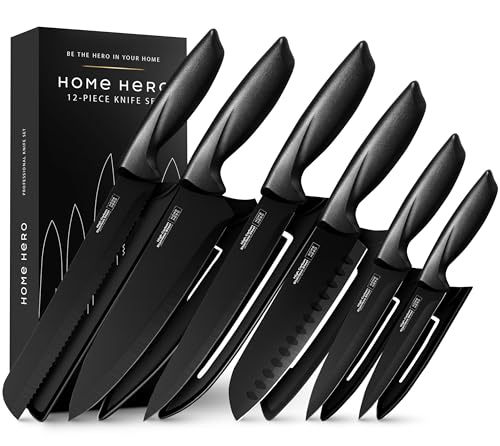
Essential Kitchen Knives: The Home Hero Kitchen Knife Set is essential for any home cook, offering timeless style and practical function. Perfect for holiday cooking, this versatile set fits as a Christmas kitchen gift for culinary enthusiasts

JAPANESE TECHNOLOGY: Made from Kyocera's very own proprietary zirconia material produced in Japan for exceptional quality and beauty

A great first-time introduction to using a Kyocera ceramic knife in the kitchen, especially for the beginning home cook
Ceramic vs. Metal: The Verdict for Your Cooking Style
Ceramic blades are better suited for low-impact slicing jobs that require maintaining a sharp edge over time. They excel at cutting soft foods like fruits and vegetables, thanks to their ability to retain a keen edge with minimal sharpening. Their sleek appearance also adds a modern aesthetic to your kitchen. However, ceramic blades are brittle; a single drop or bump can cause them to shatter, leading to the need for a full replacement. This makes them a good choice if you prioritize precision and minimal maintenance, but less ideal if your kitchen tasks involve heavy chopping or hard ingredients. For tasks requiring more durability, heavy-duty kitchen shears offer a robust alternative for cutting through tough materials without risk of shattering. To protect your investment, always use a quality cutting board with mats to cushion the blade during delicate slicing. For maintaining ceramic edges, choosing proper sharpening stones is critical to avoid damaging the delicate blade material.