
You might think of charcuterie boards as a proud Italian tradition, but they actually have French roots.
Today’s popular spreads blur the lines, mixing Italian antipasto with French charcuterie in one gorgeous platter.
Want to know the real story behind these delicious boards? Stick with me—there’s more to uncover.
Is Charcuterie Italian? Here’s the Truth
Charcuterie is not Italian; it is a French term. The word specifically refers to prepared or cured meats, rooted in French preservation methods. While you might fill a board with Italian ingredients like prosciutto and bresaola, calling it “charcuterie” doesn’t make it Italian. In Italy, a similar spread would be called a *tagliere di salumi e formaggi* or an antipasto platter. Recognizing that “charcuterie” comes from France and using the term accurately shows respect for its origins and highlights the cultural differences in food labeling. The proper equipment for preparing such meats often involves sharpening stones to maintain knife edges essential for thin, precise slices. A well-rated cutlery set provides the balanced, sharp blades needed for consistently slicing cured meats. For the best results, chefs insist on a consistent 15-degree angle to achieve a razor-sharp edge on a santoku knife.
Where Did Charcuterie Come From?
Charcuterie has roots dating back thousands of years, long before it was a defined culinary category. Ancient Greeks and Romans relied on salt-curing to preserve meat for travel and storage. Archaeological finds also reveal preserved meats from the Bronze Age, indicating these techniques were in use over 3,000 years ago. These methods—salting, smoking, and drying—originated from practical needs to prevent spoilage rather than for culinary luxury. For modern enthusiasts looking to recreate these ancient techniques, using top fruit knives ensures perfect slicing and peeling of accompanying fruits. Over time, medieval Europeans developed these preservation techniques into a craft focused on pork products, which laborers commonly ate with bread and local produce. It was only in 15th-century France that the term “charcuterie” was coined, finally giving a name to this ancient practice still practiced today. For preparing charcuterie boards at home, however, using a high-quality knife block set ensures precise cutting of cured meats and cheeses.
What Charcuterie Originally Meant
Originally, the term “charcuterie” meant “cooked flesh,” and it referred specifically to prepared meat products, mostly pork-based. This included items like ham, sausages, pâtés, terrines, and confit. It was not about the decorative boards we see today but about the craft of meat preservation. In its original culinary context, a charcutier’s shop was a place where cured, smoked, salted, and cooked meats were sold. Selecting a suitable board for slicing these meats is important, and many chefs recommend a cutting board for Japanese knives to protect the blade edge. This focus on artisan preservation methods helps explain why charcuterie boards are so costly.
The word derives from the French *chair* and *cuite*, meaning “cooked flesh.” It described both a profession and the products associated with it, with a primary focus on pork. Customers did not ask for a “charcuterie board” but instead bought individual items like bacon, ham, or pâté directly from the specialist. The emphasis was on preparation and commerce rather than presentation, unlike modern interpretations that broadly encompass serving styles and presentation boards. For cutting these meats at home, the choice of Cutco table knives versus steak knives can affect performance and durability.
Is Charcuterie Italian? (And Why People Confuse It With Antipasto)
Charcuterie is not Italian. Its roots are French, focused on meat preservation through curing, smoking, and dry aging techniques. While the word is often associated with Italy due to similar practices, true Italian meat products are called *salumi*—including prosciutto, salami, and mortadella.
People often confuse charcuterie with antipasto because both involve cured meats, cheeses, olives, and accompaniments presented on a platter. However, antipasto is an Italian appetizer course that covers a wider variety of items such as marinated vegetables, seafood, bread, and assorted cold cuts. It means “before the meal,” emphasizing its role as a starter rather than a focus on meat preservation. A sharper blade, however, makes slicing these dense cured meats much easier and safer, so knowing the correct sharpening angles for your knife can greatly improve your prep work. For such precise slicing, using Top Japanese Cooking Knives offers unmatched edge retention and control.
Many modern boards labeled as charcuterie are actually American hybrids that blend French-style cured meats with Italian and other European ingredients, adding cheeses, nuts, and fruits for variety. To keep it authentically Italian, focus on *salumi* when selecting traditional items. To ensure a clean and long-lasting presentation, it helps to follow practical tips for a charcuterie board, such as arranging items by texture and keeping meats slightly separated to avoid moisture transfer. That way, you preserve the true Italian culinary identity and avoid the common mix-up.
French Charcuterie vs. Italian Antipasto: What’s the Real Difference?
French charcuterie centers on meat preservation, especially pork products like pâté, rillettes, and saucisson. It reflects a culinary tradition rooted in specialized French shops where meats are the main focus with minimal accompaniments. The craft emphasizes techniques such as curing, smoking, and fermenting to extend meat’s shelf life while enhancing flavor. A chef like Ramsay might prefer specialized knives for precision slicing these cured meats to maintain texture and presentation.
In contrast, Italian antipasto is an appetizer or first course served before the main meal. It features a variety of cured meats, cheeses, olives, pickled vegetables, and marinated items. The goal of antipasto is to stimulate the appetite through a diverse and colorful assortment of small bites. Unlike charcuterie, which highlights meat preservation techniques, antipasto focuses on offering a balanced, palate-whetting spread that combines different flavors and textures.

AUTHENTIC ITALIAN SOPPRESSATA – Traditional mild Italian style salami with rich savory flavor and a smooth balanced taste perfect for everyday snacking and entertaining.

PREMIUM CALABRESE SALAMI – Bold hot and spicy Italian style salami crafted with rich savory flavor, balanced heat, and traditional dry cured character in every slice.

How the Board Trend Changed the Meaning of Charcuterie
The board trend has transformed the meaning of charcuterie entirely. Originally, the term referred specifically to French cured pork products like sausages, pâtés, and terrines. Today, it’s more about visual appeal and variety than strict culinary definition. The proliferation of the charcuterie board has moved beyond its roots, incorporating cheeses, fruits, nuts, crackers, and even vegetables. This shift from precise meat selections to abundance and aesthetics means the word “charcuterie” now signals a spread designed for sharing and visual impact, not just traditional cured meats. It’s less about technical accuracy and more about creating inviting, colorful displays that cater to sharing and socializing. With concerns about food safety, many home cooks prefer to use wood cutting boards to display meats and cheeses as a naturally antimicrobial surface. However, for those who use a white plastic cutting board for preparation, maintaining hygiene requires regular cleaning with bleach or other safe sanitizing products to prevent bacterial buildup. Learning about picking perfect pairings can help ensure a balanced and enjoyable board.

GIFT READY: This bamboo charcuterie board gift set makes a thoughtful choice for Mothers Day, weddings, housewarming, birthdays, bridal showers, anniversaries, newlyweds, couples, women, men, hosts, and entertainers.

COMPLETE CHARCUTERIE BOARD SET, EVERYTHING INCLUDED: This large bamboo cheese board and knife set includes 4 stainless steel cheese knives, a wine opener, 3 reusable slate labels, 2 washable chalk markers, a round fruit and nut tray, and a carrying bag; a complete cheese serving set for Christmas parties, holidays and entertaining

Best Charcuterie Board Set - Get more value for money. The boarderie charcuterie gift box set includes 1 wooden charcuterie board, 1 round charcuterie board, 2 trays, 2 markers, wine opener, 4 forks, 4 utensils, 2 labels, and 2 ceramic bowls
Can You Mix French and Italian Styles on One Board?
Blending French charcuterie and Italian antipasto on one board is entirely doable and increasingly popular, even if traditionalists might hesitate. There’s no rule against mixing these classic flavors—you’re simply combining two well-loved culinary worlds. To keep it appealing, aim for balance: pair saucisson with prosciutto, include a soft chèvre alongside a firm provolone, and add cornichons next to marinated peppers. For wine, a crisp rosé or a light red works well for both cuisines, bridging the flavors seamlessly. To protect the wooden board you serve all of this on, it is worth knowing how cutting board wax compares to oil for long-term upkeep and durability. When slicing cured meats for the board, wearing cut-resistant gloves can help prevent accidental cuts and make the preparation safer. Presentation also matters. Group French items on one side of the board and Italian ones on the other, then place a small bowl of fig jam or tapenade in the center. This organization helps guests easily distinguish each style and keeps the spread looking tidy. Avoid overcrowding; select a few high-quality items instead of a cluttered mess. If you want to highlight the fusion, consider calling it a “French-Italian inspired board”—it sounds inviting and descriptive. For slicing cured meats precisely, choosing a serrated edge knife prevents tearing and keeps the board looking neat.
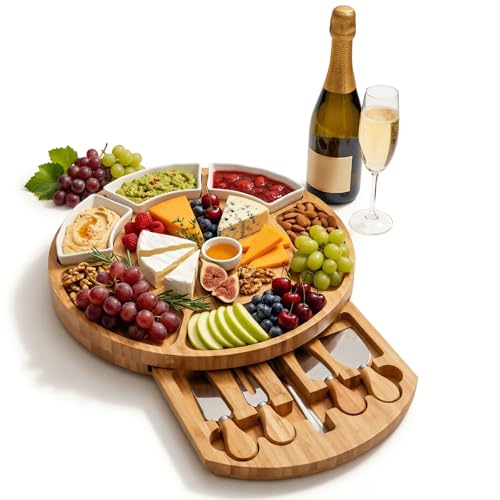
ZENFUN 13 inch cheese board with bowls and knives, measuring 13” dia x 1.5” H, they are practical and with elegant looks, suit for serving all your favorite appetizers, cheeses, and meats.
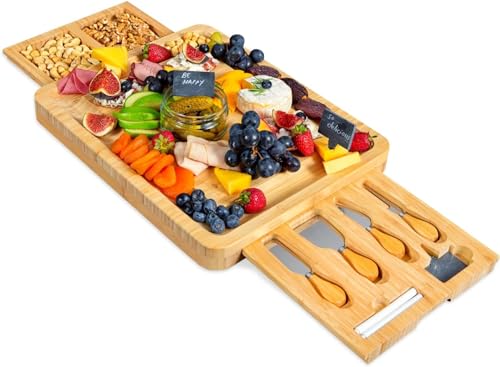
Classy Design: RoyalHouse cheese and charcuterie board is the perfect size for displaying a variety of delicious delectables like charcuterie, cheeses, crackers, fruits, veggies, and more. Make your guests feel special at your family gatherings or dinner parties.

😍 Set a Showstopping Table: Why settle for bland, boring serving trays? Dazzle your dinner and party guests with our Charcuterie Meat and Cheese Platter, imported directly from Italy; Handcrafted by highly skilled artisans, it's a one-of-a-kind work of art, certain to elevate any event or occasion; No two are exactly alike!
Call It Antipasto, Not Charcuterie: The Right Name for Italian Boards
Calling it antipasto instead of charcuterie correctly reflects Italian culinary tradition. Antipasto means “before the meal,” emphasizing its role as a starter course filled with meats, cheeses, vegetables, and preserved items. On the other hand, charcuterie is a French term focusing mainly on cured meats like pâtés and terrines, often with cheese and vegetables serving as secondary additions. Traditional ingredients on an antipasto board include prosciutto, mozzarella, olives, and roasted peppers, which showcase Italy’s focus on a balanced mix of flavors and textures. If your spread combines both meats and vegetables in a way that honors Italian customs, calling it antipasto is more accurate. Use “antipasto” for one platter or “antipasti” for an assortment, ensuring your terminology respects the roots of Italian cuisine.

Party Gift Set: we will provide you with a total of 6 sets of bridal shower prizes for winners, including 6 cheese boards, 6 knives and 4 forks, packed in 6 gift boxes with tags and tied up with ropes; The rich accessories can easily meet your needs for party use

Elegant Bamboo Design: This bamboo cheese board offers ample space for parties and family gatherings; impress guests with a stylish serving board that is easy to clean and reuse after every event

Beautiful Wooden Tray: AISOSO cheese board is smooth and no burrs, sturdy and durable without cracking, fresh colour, the overall delicate and generous is a good dining table decorations
