Ever wonder if using a glass cutting board ruins your knives? The quick answer is yes—glass is much harder than most knife steel, so it chips and dulls blades quickly. After about 30 minutes of chopping, you’ll notice your knives aren’t cutting as well.
Keep reading to learn the full story and how different materials affect your knives’ sharpness.
Why Are Glass Cutting Boards So Bad for Your Knife?
Glass cutting boards are terrible for your knife because their surface is significantly harder than typical knife steel. Each cut against glass causes micro-impact damage to the blade’s edge, dulling it quickly. Unlike softer surfaces, glass doesn’t absorb any impact, so every chop forces the blade’s apex to endure repeated, tiny chips and deformation. This constant battering wears down the edge faster than you might expect. Even premium knives, such as those from top Damascus knives known for high-quality steel, suffer rapid edge degradation on glass surfaces. Understanding each style of kitchen knife helps you appreciate why softer cutting surfaces are essential for preserving blade integrity. A quality knife set with block will always recommend pairing its blades with a wooden or plastic board to maintain long-term performance.
Because there’s no cushioning, the stress from cutting concentrates directly on the finest point of your knife’s edge. Over time, this leads to the edge rolling, flattening, and developing small defects. As a result, you’ll find yourself pressing harder to cut, which increases the risk of slipping and tears in the food. All these issues not only make chopping less effective but also accelerate the dulling process.
Frequent sharpening becomes inevitable when using a glass board. Each session removes a small amount of blade metal, which stacks up over months, shortening your knife’s lifespan. Instead of lasting a long time, your knife wears out faster and needs more maintenance. Far from being a durable choice, glass undermines your knife’s sharpness and longevity, actively damaging your investment with every use.
How Glass Cutting Boards Compare to Wood and Plastic
Glass cutting boards are the hardest among common materials, offering no give when chopping. This relentless resistance can dull or chip your knives faster than softer surfaces. In comparison, wood is the gentlest, slightly yielding under pressure, which helps preserve your blade’s edge over time. Plastic falls in the middle: it’s less harsh than glass but more likely to cause wear than wood. Wood cutting boards are also considered safe when properly maintained, as natural antimicrobial properties can help limit bacterial growth. For those who prefer an elevated surface, cutting boards with feet provide better stability and airflow during prep. If you do use glass and your knife becomes dull, you can restore it by using a consistent sharpening angle and the correct stone.
Hygiene is another big difference. Glass is non-porous and easy to sterilize, making it resistant to bacterial buildup. Wood, however, absorbs moisture and needs thorough drying after use to prevent bacteria growth. Plastic resists liquids but can develop deep scratches. These scratches trap bacteria and are harder to clean thoroughly. For durability, glass resists staining and cuts, but it can shatter if dropped. Wood tends to last for years with proper care, whereas plastic wears out faster over time. Your choice hinges on whether you prioritize protecting your knives or ease of cleaning.
![Freshware Freshware Bamboo Cutting Boards for Kitchen with Juice Groove [Set of 2] Wood Cutting Board for Chopping Meat, Vegetables, Fruits, Cheese, Knife Friendly Serving Tray with Handles](https://m.media-amazon.com/images/I/51vjhWQTI3S._SL500_.jpg)
The Ultimate Cutting Board Set - If you are looking for a top notch quality cutting board that is extremely safe to use, then we got you covered. Not only one, but 2 premium quality cutting boards will serve your daily needs to the fullest. Forget all those poorly made boards that were full with plastic toxins or would fall apart easily. Keep you and your beloved ones protected in the kitchen with our marvelous bamboo cutting board set.
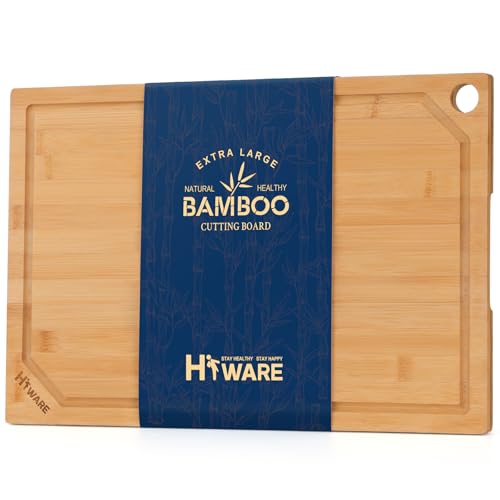
100% Premium Natural Bamboo: This cutting board is crafted from sustainable bamboo, showcasing the natural grain and beauty of the material. The surface has been carefully polished and conditioned with food-safe oil for an exceptionally smooth, burr-free finish that resists cracking and ensures long-lasting performance. Featuring a generous, sturdy design with extra thickness for enhanced durability, it stays firmly in place on your countertop—no slipping or shifting while you work.

MULTIPLE SIZES: Kitsure wooden cutting board comes in many sizes. The 15"×10" board is ideal for daily use, the compact 11"×7" board works well for quick jobs like slicing fruits, and the larger 18"×12" board suits for more extensive works like carving roasts. Cutting board sets with various sizes are also available in Kitsure, enabling you to handle different ingredients at the same time.
Dulling or Chipping? What Glass Does to the Blade
Glass causes both dulling and chipping of blades due to its hardness. When your knife slides across a glass cutting surface, the blade’s edge bears the full force because glass is much harder than steel. This mismatch in hardness leads to edge deformation, which flattens the sharp apex and quickens dulling. As a result, your cutting performance diminishes rapidly, and the blade wears down more quickly with every cut. This is why, when selecting a cutting surface, it is crucial to remember that picking perfect pairings of tools and surfaces can preserve your knife’s lifespan, just as thoughtful pairings enhance a charcuterie board. For those who value effortless spreading, high-quality butter knives with holes are specifically designed for smooth application. To maintain a sharp edge for slicing, consider top picks for perfect cuts when choosing your next set.
Chipping is also a risk, especially with harder or thinner blades. When your knife strikes the glass at an angle, tiny fragments can break off from the edge, forming small nicks. Unlike dulling, which gradually wears down the edge, chipping results in material loss—actual bits of steel come off, leaving irregular gaps. These gaps make slicing less smooth and impair the overall effectiveness of your blade.
How Quickly Does a Knife Lose Sharpness on Glass?
Your knife can become noticeably dull after just about 30 minutes of chopping on a glass cutting surface. The hardness of glass causes micro-chips and tiny dents along the blade’s edge, which flatten the apex and diminish its “bite.” Softer steel knives tend to dull faster, sometimes requiring sharpening up to three times more often than when used on wood or plastic. Each contact with the glass creates micro-abrasions that accumulate quickly, reducing cutting precision and making slices more difficult. Even a single casual cut generally won’t damage your knife permanently, but repeated contact against the rigid glass surface accelerates wear significantly. Unlike glass, properly oiled bamboo is gentle on blade edges and helps preserve sharpness over time. Since glass is so hard and unforgiving, your knife’s edge is in a constant battle to stay sharp, and it won’t last long under regular use. Using a sharpening rod for serrated knives can help restore the edge, but the best solution is to avoid glass surfaces entirely. For long-lasting performance, consider investing in a set of Japanese cooking knives specifically crafted for precision and edge retention on softer boards.
Is Any Knife Safe to Use on a Glass Cutting Board?
Using any knife on a glass cutting board is unsafe and detrimental. Glass surfaces are extremely hard, creating a fundamental mismatch with the softer steels of all common kitchen knives. This mismatch causes micro-chipping, rolling, and flattening of the blade edge over time, regardless of whether you’re using a chef’s, paring, serrated, or utility knife. Serrated blades may hide dullness temporarily, but they still suffer from micro-damage without avoiding wear altogether. Even knives made from thinner, harder steels remain vulnerable, and the sharpening technique for curved blades demands specialized tools that offer no advantage against glass’s abrasive hardness, accelerating the dulling process. For those seeking quality and value, experts recommend comparing top rated utility knives that prioritize edge retention on safer surfaces. Investing in a set from a guide like the Guide to the Best Cutlery Sets ensures you select knives built to last on proper cutting boards.
Safety is also a major concern. Glass cutting boards can be dangerously slick, especially when wet, increasing the likelihood of slips and accidental cuts. Furthermore, glass boards can chip or shatter under pressure, creating hazardous shards. Because of these risks, glass should not be used for regular food prep. Instead, reserve glass boards for serving purposes only; for cutting, choose a surface designed to withstand knife contact safely. Your knives—and your fingers—will thank you for choosing appropriate tools and surfaces.

【AESTHETIC KITCHEN UPGRADE】 Warm wood grain handles and a sleek black knife block make this set a countertop centerpiece — a seamless blend of modern style and everyday function that elevates any kitchen aesthetic.

MUTI-PURPOSE CHEF KNIFE SET - The Brewin 3pc Professional Kitchen Knife Set comes with 1× chef’s knife, 1× santoku knife, and 1x utility knife and will be your best cooking mate. The knife set can easily handle all your daily kitchen tasks as the versatile knives let you enjoy cutting, carving, slicing, chopping, and mincing meat, fruits, vegetables, and more. This luxurious Brewin boxed carving knife set is the best gift for your loved ones.

【High-End Japanese Steel Chef's Knife】 HOSHANHO chef's knife is made of Japanese high carbon steel 10Cr15CoMoV, 2x of the sharpness and durability of some other “premium” knives, and it owns a very high cost performance! With a hardness of up to 60 HRC, the kitchen knife offers excellent rust resistance, sharpness and durability.
Can You Fix a Knife Damaged by a Glass Cutting Board?
Minor damage like a rolled edge can often be fixed through honing or routine sharpening, which realigns the knife’s edge and restores its ability to cut cleanly. For chips or larger dents, you’ll need coarse stones or diamond abrasives to grind away the affected steel until the damage is no longer visible. Professional sharpening services typically cost between $20 and $40 per blade and can effectively restore the knife’s function, especially if micro-chipping has dulled the edge. However, severe damage such as large chips or a significantly shortened blade may make replacement a more practical choice. The material of your cutting board plays a crucial role in repair success; glass boards cause cumulative wear that can weaken the knife even after repair. In fact, regular replacement of plastic boards is recommended to avoid similar edge damage from worn surfaces. If honing and grinding restore your knife’s ability to slice cleanly, it’s safe to continue using it. But if chips persist or the damage is extensive, replacing the knife will likely be the better option. Switching to a Boos cutting board with feet instead can help prevent future knife damage by providing a more forgiving surface. Unlike glass, a well-designed board made from natural materials can preserve your blade while also serving as an engaging centerpiece for social gatherings.
When Does a Glass Board Actually Make Sense?
Glass cutting boards make sense in specific situations where preserving knife edges isn’t your main concern. They shine in serving and display roles, such as presenting charcuterie, cheese, or pastries at a gathering. Their smooth, flat surface creates an attractive platter that elevates your presentation. This makes them a logical choice for charcuterie boards, where the high cost often comes from design and material quality for aesthetic appeal rather than cutting utility. Glass is harder than steel, which is why it rapidly wears down blade edges even during light use. Additionally, their heat resistance makes them useful as trivets for hot pots or pans straight from the oven. This helps protect your countertops from heat damage without the risk of scratches or burns. Hygienically, glass boards are non-porous, so they won’t absorb odors or stains—ideal when handling raw meat or fish and needing quick, thorough cleaning. Light pastry work and rolling dough also benefit from a glass surface, providing a clean, smooth area that’s easy to sanitize afterward. However, keep in mind that glass boards are not suited for heavy chopping or daily knife work, as they can dull your knives quickly and are prone to chipping under intense use.

Maple Wildflower Design: this wildflower glass charcuterie board features a delicate wildflower pattern, creating a eye-catching look; It adds a touch of rustic charm to your kitchen countertop, dining table, or party spread, making it a standout piece for both functional use and decorative display

WINE FLIGHT AND SNACK TRAY: A small serving tray and wine glass holder that does double duty. This wooden tray is a great addition to your charcuterie accessories and has a wine bottle holder for a standard wine bottle and two stemmed wine glasses.

Handheld Wine & Appetizer Plates: This set of 4 wooden wine appetizer plates by doubles as cocktail plates and mini charcuterie boards, each designed with a wine glass holder for one-handed entertaining at parties.
Which Board Materials Keep Knives Sharpest (Not Glass)?
End-grain hardwood boards keep knives sharpest because the blade’s edge slips between the wood fibers rather than hitting a hard surface. This gentle contact significantly slows dulling. Woods like maple, walnut, and cherry are ideal because their dense, fibrous structure absorbs less impact. They outperform edge-grain options and materials like bamboo or plastic in terms of edge retention.
Material hardness directly influences how fast your knife dulls. Softer surfaces such as end-grain hardwood absorb some force, protecting the blade, while harder surfaces transmit more force directly to the edge. Bamboo offers a middle ground: it’s better than glass but not as gentle as high-quality hardwoods. Dense plastic, like HDPE, is practical for raw meat preparation but doesn’t preserve your knife’s edge as well as end-grain wood.
Avoid composite or stone boards for daily prep because they tend to dull knives quickly. The safest ranking for maintaining sharpness is end-grain hardwood first, followed by edge-grain wood, then quality bamboo or plastic, with hard synthetic surfaces like glass or stone last.

Experience the beauty of premium solid walnut! Crafted from premium natural walnut wood, this walnut wood cutting board is finished with natural oil to boost durability and create a smooth surface, preserving the wood’s pure natural qualities for daily kitchen use. It serves as an ideal food prep surface, and this family-friendly wooden cutting board lets you cook with joy in your kitchen while caring for your family’s well-being.
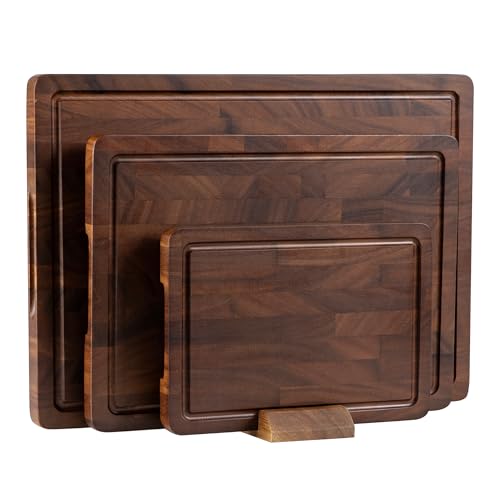
【Craftsmanship and Material】THETCHRY cutting board set is meticulously crafted from genuine South American Walnut. Renowned for its dense grain, walnut is considered the premier material for high-end kitchen tools. Not only is this board 1.5 times harder than ordinary wood, but its end-grain pattern effectively minimizes knife marks, protecting your blades with every cut.

Still looking for a cutting board that is both beautiful and practical? THETCHRY end grain walnut cutting board is the ideal choice for you! The unique structure has excellent durability and can withstand heavy cutting without being easily damaged. Its "self-healing" property makes every cut as smooth as silk. The blade cuts between the wood fibers and the fibers quickly close after leaving, keeping the knife sharp as new.
Should You Throw Your Glass Cutting Board Away?
You should throw your glass cutting board away if it’s cracked or chipped, as broken glass creates serious cutting and contamination hazards. Even a tiny chip can form sharp edges that cut your hands or nick your knives. Since glass cannot be repaired, disposal is the safest choice. Avoid risking sudden shattering during use or washing, which could result in injury or debris contaminating your food.
If the board remains intact, you don’t have to toss it but should retire it from regular cutting tasks. Use it instead for non-knife activities such as kneading dough or serving cheese. Its sleek appearance makes it suitable as a serving tray, but the surface is too hard for knife work and can dull your blades quickly. Frequent cutting on glass also increases slip risks during use. Because of these safety concerns and potential damage to your knives, replacing it with a wood or plastic board for cutting is a better choice. Your knives and fingers will appreciate the upgrade.
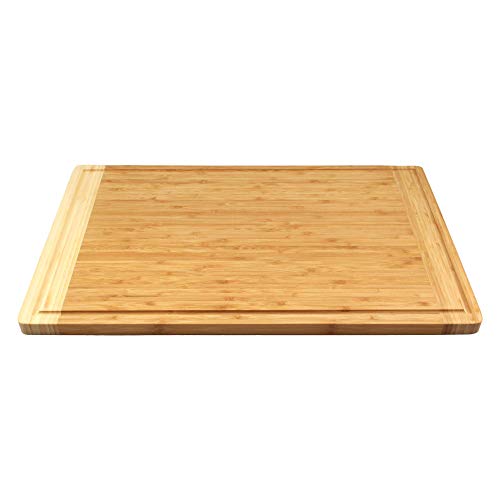
22" x 14" x 0.75" (L x W x H) - 1 Piece - Dimensions are approximate and may vary slightly due to small variations in the manufacturing process. Please measure the width of your slot to make sure that this cutting board will fit. The width of the cutting board is just shy of the measured dimensions. Each board can have variations of up to 1/4" inch from the measured width

NATURALLY DARK, CARBONIZED BAMBOO finish delivers a rich, luxurious look with better stability and lower moisture absorption for a longer-lasting bamboo cutting boards for kitchen.

✔MEASUREMENT TIPS- 22" x 17.75" x 0.75" (L x W x H) - 1 Piece - Dimensions are approximate and may vary slightly due to small variations in the manufacturing process. The width of the cutting board may be 1/4" inch greater than the posted width. Please measure the width of your slot to make sure that this cutting board will fit.