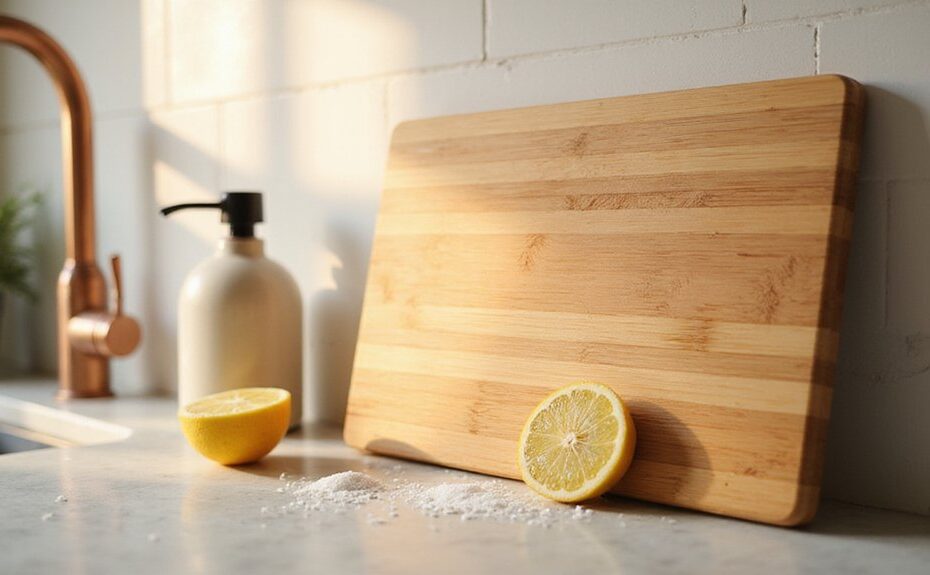
Wondering if you can toss your bamboo cutting board into the dishwasher? The quick answer is no.
The intense heat, steam, and strong detergents can damage it quickly, reducing its lifespan from years to months.
Keep reading to find out why hand washing is the safest way to care for your bamboo board.
Can You Toss a Bamboo Cutting Board in the Dishwasher? (No: Here’s Why)
No, you should not put your bamboo cutting board in the dishwasher. Bamboo is not designed to withstand the high heat, steam, and detergents found in dishwashers. Unlike plastic or engineered materials, bamboo can warp, crack, and deteriorate when exposed to these harsh conditions. While bamboo is a sustainable and eco-friendly choice, its durability isn’t dishwasher-proof. The Totally Bamboo GreenLite model is an exception because it is dishwasher safe and designed to resist these harsh conditions. For comparison, quality knife sets often include blocks that require similar care to maintain their longevity. To keep it in good condition, wash your bamboo cutting board by hand using warm water and mild soap. Dry it immediately after cleaning to prevent moisture from seeping in and causing damage. Following these steps helps preserve your board’s integrity and longevity. Ceramic knives are also a great companion for bamboo boards, as they require gentle handling to avoid chipping. Avoiding the dishwasher is the best way to maintain a sustainable, durable cutting surface.
Why Dishwashers Damage Bamboo Cutting Boards (Even When They Look Fine)
Even when your bamboo cutting board looks perfectly fine after a dishwasher cycle, damage might already be starting beneath the surface. The combination of heat and moisture causes the bamboo fibers to swell unevenly, creating internal stress that you can’t see. Hot water and detergents also accelerate chemical reactions that strip away your board’s natural protective oils. Once these oils are gone, the surface becomes rougher and drier, increasing its tendency to absorb moisture during subsequent washes. This is why a high-quality santoku knife might also be affected, as the rougher board surface can dull its edge faster. Unlike acacia wood, which offers superior moisture resistance due to its natural density, bamboo is more vulnerable to these dishwasher-induced stresses. This is similar to how design logic for expensive charcuterie boards prioritizes material selection to withstand repeated use.
This continuous cycle of soaking and drying weakens the glue lines holding the compressed bamboo strips together. Early damage often begins between layers before any cracks or warping are visible. By the time you notice warping or splitting, the internal structure is already compromised. The “clean” appearance after a dishwasher run can be deceptive, as you are gradually diminishing your board’s lifespan with each cycle.
How One Dishwasher Cycle Cuts Your Bamboo Cutting Board’s Lifespan
A single dishwasher cycle can begin damaging your bamboo cutting board without any immediate signs. The high temperatures, typically between 65 and 70°C, dry out the bamboo fibers, making the surface more brittle over time. Meanwhile, steam from the wash forces moisture into the glue joints and internal layers, which can cause swelling and weaken the lamination. This moisture damage doesn’t happen right away but gradually stresses the board’s structure, increasing the risk of delamination with repeated cycles.
Additionally, dishwashers strip away the protective oils naturally present on bamboo, leaving the surface rough and more prone to grain lift and splintering. This is why replacing those natural oils with a cutting board conditioner after hand washing helps maintain the board’s resilience. The uneven drying process often leads to warping and the formation of micro-cracks—tiny stress lines that are invisible at first but grow over time. These changes can happen after just one cycle, especially if the drying is uneven. While a bamboo board rated to last 5 to 10 years with hand washing might only hold up for under a year with regular dishwasher exposure, that single cycle marks the beginning of its accelerated deterioration. It’s not immediately lethal, but it sets in motion irreversible damage that shortens the lifespan and compromises the board’s hygiene and usability.
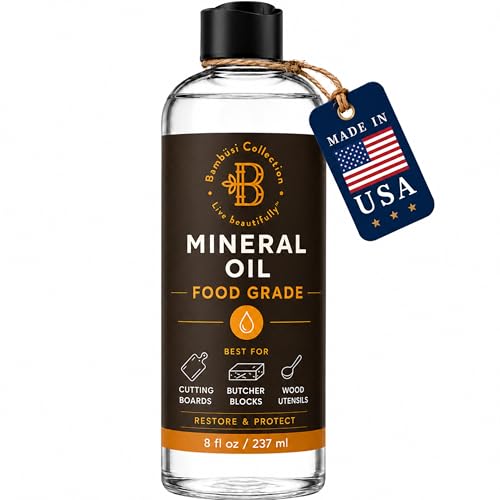
FOOD SAFE MINERAL OIL FOR CUTTING BOARDS: 100% pure food grade white mineral oil with nothing added. Clear, odorless, unscented and tasteless, so it won't change the flavor of food you prep on your board. Safe on wood cutting boards, butcher blocks and any wooden surface that touches food

Revitalizing blend prevents drying and cracking of hardwoods and bamboo

NSF CERTIFIED FOOD GRADE - This premium mineral oil is NSF certified and lab-tested to meet the strictest food safety standards. Colorless, odorless, tasteless, and gluten-free — perfect for cutting boards, butcher blocks, and all food-contact surfaces.
The 3-Step Hand-Wash Method to Keep Bamboo Healthy
To keep your bamboo board healthy, follow this 3-step hand-wash method: rinse, wash, and dry. Start by scraping off food particles and debris. Then, rinse both sides and edges under warm running water, keeping the time brief to prevent excess moisture absorption. Next, wash the board with mild soap and a soft sponge, paying special attention to knife grooves and edges. This gentle, eco-friendly cleaning approach supports bamboo sustainability by avoiding harsh chemicals. After washing, rinse thoroughly until all soap suds are gone. Immediately pat the board dry with a towel and stand it upright to air dry completely before storing. Never soak the board or stack it while damp, as both can cause warping or cracking. For maintenance, periodically apply a thin coat of food-grade mineral oil every 3 to 4 weeks, which helps preserve the wood and extends your board’s lifespan. Storing your knife separately using a magnetic strip or knife block helps protect both the blade and the board from damage. For those considering alternatives, investing in a top-rated utility knife from a quality brand can reduce the need for heavy chopping force on your bamboo surface.

FOOD-GRADE MINERAL OIL FOR CUTTING BOARDS: Helps restore and protect dry cutting boards, butcher blocks, and wooden kitchen surfaces. Refreshes dull, worn wood and helps prevent cracking or splitting; works on bamboo, teak, acacia, olive wood, and hardwood boards

FOOD GRADE QUALITY: Premium mineral oil designed for direct and indirect food contact, meeting U.S. FDA regulations and USP standards for maximum safety

NSF CERTIFIED FOOD GRADE - This premium mineral oil is NSF certified and lab-tested to meet the strictest food safety standards. Colorless, odorless, tasteless, and gluten-free — perfect for cutting boards, butcher blocks, and all food-contact surfaces.
What to Do After Accidentally Dishwashing a Bamboo Cutting Board
If you’ve accidentally run your bamboo board through the dishwasher, you need to act quickly to minimize damage. Remove it immediately to stop the cycle and prevent steam from further swelling the fibers. Gently blot surface water with a clean towel; avoid rubbing, as this can raise the fibers. Bamboo’s natural properties make it prone to swelling when exposed to water and heat, so do not soak the board or run another wash cycle. Instead, air-dry it slowly in a shaded, well-ventilated area for about 24 hours, keeping it out of direct heat sources like radiators or sunlight. Rapid drying can cause warping or cracking by stressing the fibers. After drying, examine the board carefully for warping, cracks, or splinters. If warping is mild, applying a stable weight with a flat object on top of the board for 12 to 24 hours can help flatten it. If the board remains structurally sound, restore its moisture level by applying a thin layer of food-grade mineral oil. However, if seams have opened or significant warping persists, replacing the board is the safest option. Never put the bamboo board back in the dishwasher or attempt a second cycle, as it will only worsen the damage.
Are There Any Bamboo Boards That Are Actually Dishwasher Safe?
While most bamboo boards are intended for hand washing only, a few are specifically engineered to withstand the dishwasher. The Totally Bamboo GreenLite line is one such example; these boards are designed to endure the heat and moisture of a dishwasher without weakening glue lines or fibers. However, it’s essential to look for an explicit dishwasher-safe claim on the product label. Without this confirmation, you risk warping or damaging the surface. If your bamboo board is labeled dishwasher safe, position it securely on the top rack and avoid the heated dry cycle for best results. Treating a board with linseed oil for cutting board can help protect its surface from moisture damage over time. Keep in mind that these engineered exceptions are rare, and the general rule remains: for standard bamboo boards, hand washing is best to preserve their lifespan. This careful treatment is similar to how a wooden board for charcuterie boards healthy serving requires gentle cleaning to avoid splitting or absorbing bacteria. Such dedicated care is especially important when using boards for entertaining and everyday use to maintain their appearance and structural integrity.

Dishwasher Safe: The 6ZEOS brand innovative glue-free bamboo pure titanium cutting board set for kitchen includes 2 different sizes deep-carbonized bamboo cutting boards and 1 pure titanium cutting board. thicker and more durable than ordinary boards. The bamboo chopping boards for kitchen feature built-in juice grooves and built-in handles. Innovative design for dishwasher safe. this set fits everyday kitchen prep for bread, cheese, fruit, meat, vegetables, fish, charcuterie, and outdoor cooking.

THREE IDEAL SIZES FOR EVERY TASK - This bamboo cutting board set includes three essential cutting board sizes - 15x10”, 12x8”, 9x6” - covering all your kitchen needs. Use the small board for quick fruit prep, the medium for slicing vegetables, and the large for carving meats, rolling dough, or creating an elegant charcuterie board spread.

【Dishwasher Safe】: The 6ZEOS brand innovative glue-free bamboo cutting board set for kitchen includes 1 Large size deep-carbonized—thicker & more durable than ordinary wood cutting boards. This wooden chopping board for kitchen features built-in juice grooves & built-in handles for heavy chopping. Low-temp dishwasher safe cutting boards only, hand-wash preferred for durability. The Formaldehyde-Free cutting board fits everyday kitchen prep—bread & cheese board, fruit, meat, vegetables, fish, charcuterie boards, and outdoor cooking.
3 Signs Your Bamboo Board Is Warped, Cracked, or Splintering
Your bamboo board can show signs of warping, cracking, or splintering even if labeled dishwasher safe. The first sign is unevenness when placed on your counter. If it rocks or there’s a small gap under one edge, moisture has caused the bamboo to warp, losing its flat surface. Working with a warped board forces your hand to constantly adjust grip, which significantly increases the risk of accidental cuts from a sharp blade. The second sign is visible cracks or splits along the seams, starting as tiny hairline fractures at the corners and widening with repeated wet and dry cycles. Applying a food-safe mineral oil regularly can help seal the bamboo and prevent such moisture damage. Lastly, feel the surface with a cloth. If it snags or sheds small splinters, the fibers are breaking down. Severe warping or deep cracks make the board unsafe for food preparation, so it’s best to retire it to prevent injury. For example, pairing a warped board with a quality damascus knife can increase the risk of uneven cuts and dangerous slipping during chopping.
How to Oil and Dry Your Bamboo Cutting Board for Maximum Life
Use food-grade mineral oil, warming it slightly to help it penetrate the wood. Apply thin, even coats with a soft cloth, covering both sides, edges, and any handle cutouts. For a medium-sized board, about 1 to 2 teaspoons of oil per side usually suffices. Let the oil soak in for 20 to 30 minutes to ensure proper absorption. After this period, wipe off any excess oil until the surface feels dry. For a deeper conditioning, you can leave the oil on overnight. Reapply the oil every 3 to 4 weeks or when the surface begins to look dull. After washing, always stand the board upright to dry completely, which helps prevent moisture damage and prolongs its lifespan. Unlike many hardwoods like maple, bamboo requires this specific care to avoid splitting. The typical lifespan of a well-oiled board is significantly extended by this soaking time for mineral oil, as it allows the wood fibers to become fully saturated and resistant to cracking. Maintaining a properly oiled board also protects your knife edges from dulling, similar to how Japanese sharpening stones restore a perfect edge.
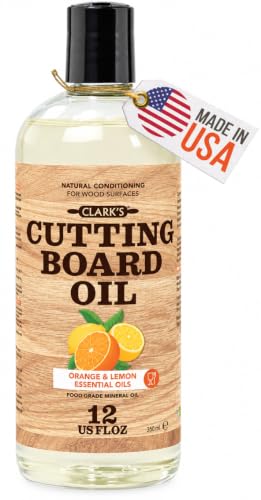
FOOD GRADE MINERAL OIL: Our mineral oil oil is lab tested to meet strict food safety standards. Clark's wood cutting board oil is not colorless, providing deep nourishment while keeping your wood cutting boards and kitchen surfaces protected.
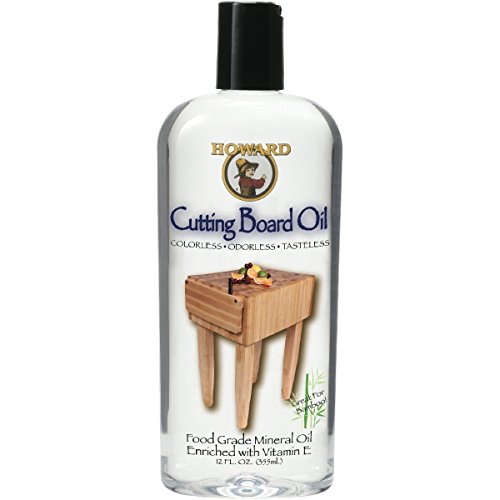
Cutting Board Oil is a deep penetrating 100% Pure USP Food Grade Mineral Oil that is tasteless, odorless, colorless, and will never go rancid

WAX APPLICATOR INCLUDED WITH MINERAL OIL: This 12oz mineral oil bottle comes with a free wax applicator to easily apply oil on cutting boards
Hand Wash or Dishwasher: What’s the Smart Move for Bamboo Boards?
You should not put your bamboo board in the dishwasher. Most bamboo boards are not dishwasher safe because the heat, steam, and harsh detergents can warp, crack, or split the glued strips. This damage can reduce your board’s lifespan from 5–10 years down to as little as six months. Instead, hand wash your bamboo board with warm water and mild soap immediately after use. If you eventually need to dispose of an old, damaged board, safe disposal rules often recommend recycling or donating it if still usable. Dry it thoroughly with a towel to prevent moisture damage and keep it flat and smooth. To prevent slipping during washing, place your board on silicone mats for extra stability. For cutting knives, consider using blade guards to ensure safe storage and protect the board’s surface from deep scratches. Avoid the dishwasher to ensure your bamboo board stays in good condition for years to come. Also, unlike some woods that are more porous and prone to trapping moisture, bamboo’s dense surface resists mold growth when dried properly after each wash.

QUALITY CONSTRUCTION: Manufactured from food grade silicone to be lightweight and non-absorbent, so it won't soak up juices

No More Towel Washing or Paper Waste: Forget dirty towels and disposable wipes—our silicone mat is the perfect everyday companion for your cutting board.

Large Enough Size - The flexible cutting mats for cooking dimensions are 14.65*11.02 inches, which makes enough space for food. The lightweight design is great for college apartments, small kitchens, RVs, or camping.