Wondering if you can toss your cheese grater in the dishwasher? Many graters may look dishwasher safe, but exposing them to high heat and harsh detergents can cause rust or dullness.
Hand washing is usually best to keep your grater sharp and in good shape.
Keep reading for simple tips on cleaning and caring for your grater to make it last.
Are Cheese Graters Actually Dishwasher Safe?
Most cheese graters are not automatically dishwasher safe. It depends on the material and what the manufacturer indicates. Always check the label first. Stainless steel graters are more likely to withstand a dishwasher cycle, but only if they are explicitly marked as dishwasher safe. Lower-grade steel can rust or develop pits when exposed to harsh detergents and high heat, so do not assume they are safe to clean in a dishwasher, much like low-cost boards that can warp under similar conditions. For example, the rough texture of a damaged plastic board can harbor bacteria just as a pitted grater might. To maintain the grater’s surface, a safe wood wax can be applied to any attached wooden handles to prevent drying and cracking.
Graters with wood, ceramic, or plastic parts often require hand washing to prevent damage. If the label is missing or unclear, it is safest to wash by hand. For stuck-on cheese, using a stiff brush can be an effective cleaning method. Ultimately, your choice should be guided by the material of your grater; some models simply cannot handle dishwasher conditions. Always prioritize manufacturer instructions to avoid damaging your tool.

Fantastic Results Without The Fatigue - With minimal effort you can perfectly shred and slice cheese and vegetables. Get creative and make dinner exciting again by grating, slicing and making fresh zest to take your meals to another level. Plus, this kitchen cheese grater is dishwasher safe.

WHAT'S IN THE BOX: One stainless steel 4-sided box grater

Ideal for grating semi soft cheeses, potatoes, zucchini, onions, cabbage, butter and apples
Why Hand Washing Keeps Your Cheese Grater Sharp Longer
Hand washing your cheese grater keeps it sharper longer because it prevents the harsh conditions that cause wear on the fine cutting edges. Dishwashers use high-pressure jets and abrasive detergents that speed up metal fatigue and micro wear on the stainless steel teeth. Over time, this creates tiny rounded edges, reducing cutting efficiency. When you wash it by hand, you eliminate this mechanical stress, helping maintain the sharpness of the blades. Investing in a high-quality stainless steel set can also reduce the frequency of sharpening needed across your kitchen tools. Using a sharpening stone periodically can restore the edges of even the best-quality graters.
A duller grater forces you to apply more pressure, tearing ingredients instead of slicing cleanly. Consistently hand washing preserves the crispness of the teeth, resulting in easier, more effective grating. It also prevents the gradual loss of sharpness that occurs with repeated machine cycles. This same principle of avoiding abrasive wear applies to kitchen knives, where proper maintenance schedules extend tool lifespan. By adopting this simple habit, you extend the lifespan of your tool and keep your kitchen tasks smooth and effortless.
The Right Way to Hand Wash a Cheese Grater
Immediately rinse your cheese grater under warm running water after use to loosen fresh residue before it hardens. Make sure water flows through both sides, including edges, holes, and seams, to clear trapped particles effectively. Next, soak it briefly in a mixture of mild dish soap and warm water for 10 to 15 minutes; avoid soaking longer to prevent rust. Use a nylon brush or toothbrush to scrub along the direction of the grating teeth, which prevents snagging and protects the surface. Steer clear of metal brushes or abrasive sponges, as they can damage the finish. For everyday use, a stainless steel grater offers superior durability over other materials. Rinse thoroughly with hot water to remove all soap and debris, then towel-dry immediately to prevent spotting. Allow the grater to air-dry upright to prevent moisture buildup and rust formation. Proper cleaning and drying help keep your cheese grater sharp and in good condition for longer. Just as with oiling bamboo cutting boards, avoiding harsh detergents or soaking prevents damage to the material and extends its life. For best results, adopt a similar approach to maintaining high-end Japanese steel, which also requires gentle, non-abrasive care to preserve its edge and finish.

Set includes 2*Flat Grater & 1*Half Round Grater & 1*Lemon Grater & 1*Cleaning Brush. You'll be making beautiful meals in a fraction of the time. Enclosed brush making them super easy to clean. Of course, all of them are dishwasher safe.
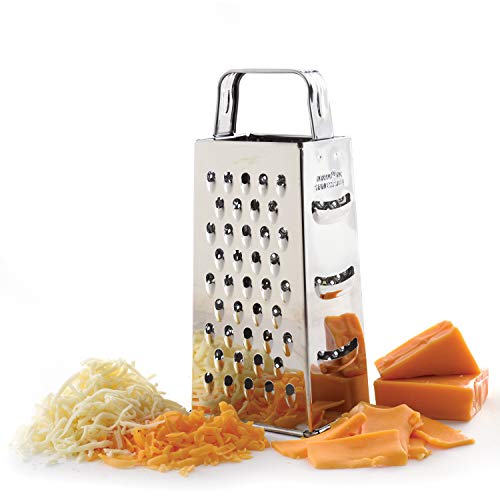
VERSATILE 4-SIDED GRATING BLADES: Equipped with four distinct cutting surfaces—coarse shred, medium shred, fine shred/zester, and wide slicer—handling all your daily meal prep in one compact tool.

Fantes Papa Francesco's Rotary Cheese Grater for finely grating hard and semi-hard cheeses, almonds and other nuts, breadcrumbs, baking chocolate and more
How to Get Stuck-On Cheese Off Your Grater
After soaking, use a soft-bristled brush or an old toothbrush to remove stuck-on cheese. Brush from the inside out, following the direction of the holes, to dislodge trapped bits effectively. If some cheese remains, gently poke each clogged opening with a toothpick, taking care to avoid sharp edges that could cause injury. For larger cheese clumps, lift them with the edge of a spatula before attempting to clean further. To prevent this sticking issue entirely, lightly apply a cooking spray to the grater before grating to keep cheese from adhering. This principle is similar to how multiple coats of mineral oil protect a cutting board by filling its pores. Finish by rinsing the grater with warm water to wash away any loosened debris. Check the holes against a light source to spot any remaining blockages. Proper grater maintenance like this helps prevent cheese from hardening, keeping your tool in good shape and ready for next time. Dry it promptly to prevent water spots and rust. For particularly stubborn residue, a rotary model’s removable drum makes the cleaning process significantly easier to access. Similarly, a well-designed charcuterie board requires careful cleaning to maintain its surface and longevity.
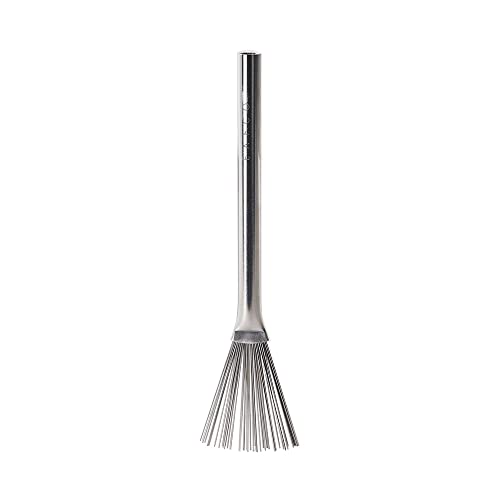
Stainless Steel Brush
How to Dishwash a Grater Safely (If Allowed)
If your grater is labeled dishwasher safe, you can clean it in the machine, but you must follow a few key steps to avoid damage. First, rinse off loose residue and disassemble any rotary model. Place the grater on the top rack, with sharp edges separated from other items. Use a gentle cycle to minimize blade dulling and avoid harsh cleaning solutions that could wear down the metal over time. For optimal care, treat your grater with the same attention to material quality as you would when selecting the best boards for presentation. Once the cycle finishes, dry the grater promptly with a soft cloth. This method helps prevent water spots and rust. Check for any remaining bits of food, rinsing again if necessary. Store the fully dry grater in a protective cover to keep the edges sharp and safe. For example, similar to how real Damascus steel requires careful maintenance to preserve its layered pattern, your grater’s metal finish benefits from avoiding abrasive detergents and heat extremes.

Makes Everything Simple : Just forget your bagged cheese! Only turn the handle for several times and get fresh shredded cheese, cutting the food twelve time faster and saving more time. Go ahead for your favourite recipes with this cheese grater

ZEST, SHRED, SLICE, GRATE: say goodbye to endless kitchen tools and hello to the 4 in 1 all purpose cheese grater; 4 sides allow you to grate, shred, zest and slice nearly any food with ease; use on vegetables, fruits, chocolate, bread, hard and soft cheeses like parmesan, and just about anything else to create delightful recipes
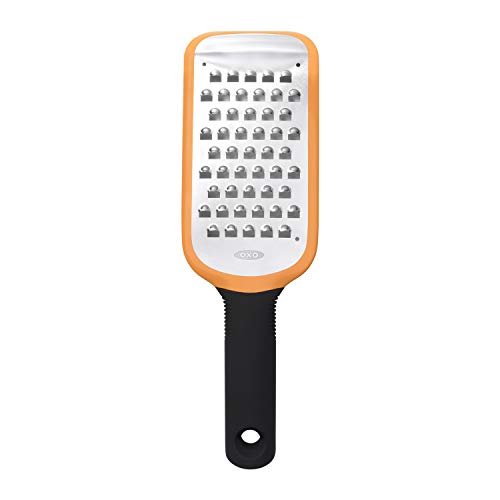
Ideal for grating semi soft cheeses, potatoes, zucchini, onions, cabbage, butter and apples
Why Wood-Handled Graters Should Always Be Hand Washed
Wood-handled graters should always be hand washed because dishwashers can severely damage them. Moisture, heat, and detergents in the dishwasher cause the wood to absorb water, leading to swelling and warping over time. High-temperature cycles also dry out the handle, making it brittle. Strong detergents strip natural oils from the wood, which increases the risk of splintering and discoloration. To preserve the handle’s integrity and appearance, you must wash your grater manually. Rinse it immediately after use, then clean with warm water and mild soap. Use a soft sponge on the handle and around blade edges to prevent scratching.
Never soak the handle, as prolonged exposure to water accelerates damage. Proper drying is essential—dry the handle thoroughly right after washing to prevent cracks or splitting. Leaving moisture trapped in the wood weakens glued joints, increasing the risk of handle separation. By avoiding the dishwasher, you help maintain the grater’s smooth finish and overall longevity. Consistent, gentle hand washing ensures your wood-handled grater remains safe, functional, and attractive for years.

WOOD HANDLED CHEESE GRATER - With a warm, natural acacia wood handle and sturdy stainless steel construction, this classic box grater is useful and beautiful. Upgrade your kitchen tools with this stylish vintage kitchenware.

Large barrel and sharp stainless steel blades for efficient grating

Conical design: Unique shape allows for easy and efficient cheese shaving, reducing waste and maximizing flavor.Easy to clean.Rubber non-slip bottom, not easy to wear.Holds the cone cheese grater in countertop or cutting board,safety without cutting yourself.
How to Dry and Store Your Cheese Grater
To properly store your cheese grater, ensure it is completely dry first. Remove all moisture by wiping it thoroughly with a clean towel or air drying it for several hours. Store the grater in a dry, ventilated cupboard, avoiding damp areas like drawers near the sink. Upright placement helps air circulate around the blades, reducing the risk of rust. For extra protection, apply a light coating of food-safe mineral oil only after the grater is fully dry. Avoid cramped spaces that trap condensation, and always store your grater clean and dry after each use to maintain its sharpness and prevent early rust formation. Additionally, protecting grates during use enhances durability by avoiding scrapes from metal tools that can damage the surface. For optimal long-term performance, you can also maintain the grater’s edge using Japanese sharpening stones for a razor-sharp finish. Choosing a grater with high-quality materials ensures it resists corrosion and stays sharp through repeated use. When selecting a grater, consider models with affordable Japanese knife steel for a superior balance of edge retention and value.
When to Throw Out Your Cheese Grater
A cheese grater should be discarded when it shows persistent rust, dull blades, or physical damage. Rust replacement is necessary when you notice ongoing corrosion, even on stainless steel models, as rust indicates the metal’s deterioration and an increased risk of contamination. Blade dullness, marked by shiny, rounded edges that require more pressure to grate, can compromise both efficiency and safety, making you more prone to slips and injuries. Bent tines, cracks, or missing teeth are clear signs that the grater’s structural integrity is compromised and it should be disposed of promptly. Additionally, if thorough cleaning no longer removes stubborn food residue from deep grooves and the surface becomes a breeding ground for bacteria, replacing the grater is essential for maintaining hygiene. For regular use, consider replacing or servicing your grater every one to two years to ensure optimal performance and safety. If you experience hand fatigue or a loss of grip while grating, upgrading to a model with a cut-resistant glove can provide a safer, more controlled carving experience. The selection of a new grater should prioritize a comfortable, secure grip to minimize hand fatigue, similar to choosing a well-balanced knife handle for extended carving sessions. Just as high-quality steak knives maintain their sharp edges longer and resist rust, investing in a well-made grater with durable stainless steel blades can also prevent premature dulling and corrosion.